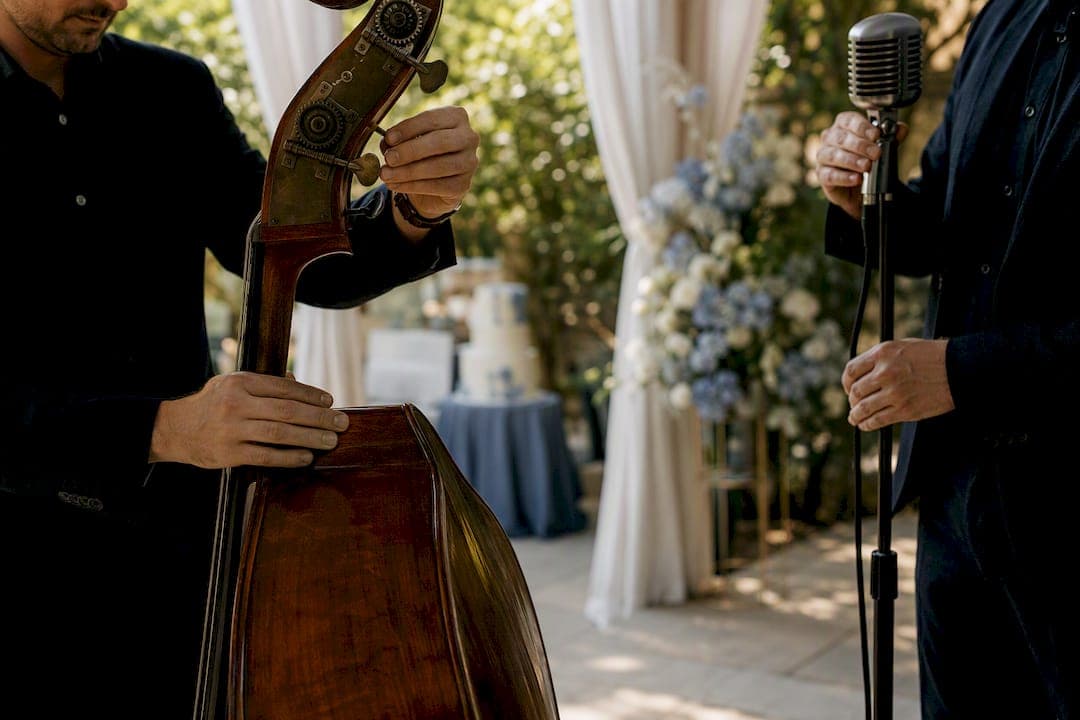
Most couples pay $500 to $3,000 for ceremony-only live music, with a solo guitarist or pianist starting near $300 and a string quartet landing between $1,000 and $3,000. Ensemble size drives price more than any other factor. A soloist covering a 30-minute ceremony in a mid-size city might run $400; a string quartet at the same event, with the same processional and recessional, can easily hit $1,800.
TL;DR:
- Location significantly influences prices, with New York couples paying 20% to 40% above the national average for ceremony musicians.
- Ensemble size remains the biggest factor, with solos starting around $300 and string quartets reaching up to $3,000, especially in major metro areas.
- Additional costs such as travel, amplification, custom arrangements, and venue-specific fees can add hundreds to thousands of dollars to the base quote.
- Booking a smaller ensemble like a trio or skipping cocktail-hour coverage can cut costs by several hundred dollars without sacrificing the musical atmosphere.
- Confirming venue logistics, instrument availability, and extras upfront helps prevent unexpected fees and ensures accurate budgeting.
Table of Contents
- How Much Do Ceremony Musicians Cost by Ensemble Type?
- What Actually Changes a Musician's Quote?
- How Does Location Change Ceremony Music Pricing?
- What's Included in a Ceremony Musician's Fee?
- How Can You Save Money Without Losing the Music?
- What Should Be in Your Contract Before You Book?
- What Does Alex Levin Music Offer for Ceremony Bookings?
- Why Most Ceremony Music Budgets Get Built Backward
- How Do You Request a Ceremony Music Quote?
- Sources
How Much Do Ceremony Musicians Cost by Ensemble Type?
Ensemble size is the single biggest lever on your quote. The WeddingWire national average for ceremony music sits around $500, but that number flattens a lot of variation. A soloist and a quartet aren't just different price points, they're different experiences, and the gap between them is where most couples actually make their decision.
Here's how ceremony-only pricing typically breaks down by ensemble, based on Paperlust's 2026 pricing data:
- Solo musician (guitar, violin, cellist, or vocalist): $300–$1,000 for a standard 30-45 minute ceremony window.
- Duo (two instruments, or instrument plus vocals): $500–$1,500, depending on instrumentation and market.
- Trio (often violin, cello, and one additional instrument): $700–$2,000.
- String quartet: $1,000–$3,000, the most requested "full sound" option for formal ceremonies.
- Harpist: $400–$1,200 for ceremony-only, though transport logistics (a harp doesn't travel like a violin) sometimes add a fee.
- Organist: $200–$600 in many markets, since organists are frequently tied to a specific church or venue and don't need to bring equipment.
Some ceremony musicians offer a real-world floor lower than the averages suggest. Chicago Style Weddings reports base fees starting around $275 for smaller ensembles, which tracks with what many regional musicians actually quote before location and reputation premiums get added.
Location changes these numbers more than people expect. A solo pianist in a small town might quote $350 for a full ceremony. That same skill level in Manhattan, where studio space, insurance, and demand all cost more, often starts closer to $600 to $800 before travel fees. Ceremony musician cost in New York consistently runs 20% to 40% above the national average across every ensemble size, a pattern the Bureau of Labor Statistics attributes partly to local demand density and cost of living for working musicians.
Specialty instruments add their own wrinkle. A harpist's fee often reflects the difficulty of moving a 200-pound instrument up a staircase or across a lawn, not just performance skill. Organ music is usually cheaper precisely because the instrument stays put. If your venue doesn't have one and you want that sound anyway, you're looking at an electric organ rental plus a musician who can play it convincingly, which erases most of the savings.
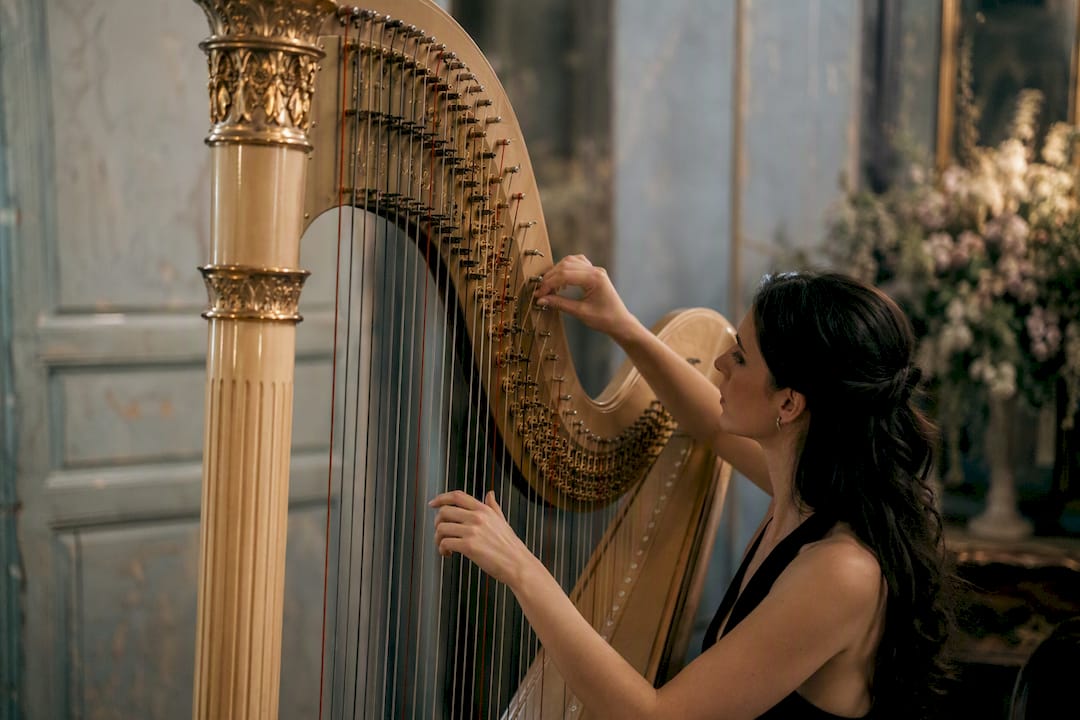
Adding cocktail hour coverage to any of these ensembles typically tacks on an additional fee depending on ensemble size, often amounting to several hundred to over a thousand dollars, according to Paperlust's pricing research. That's worth knowing upfront, because "ceremony musicians cost" quotes and "ceremony plus cocktail hour" quotes get conflated constantly in early vendor conversations, and it throws off a lot of first-draft budgets.
What Actually Changes a Musician's Quote?
Two quotes for what feels like the same service can differ by hundreds of dollars, and it's rarely arbitrary. A handful of specific factors do almost all the work.
Ensemble size and experience matter most. Adding one musician to a group doesn't just add their fee, it adds coordination time, rehearsal needs, and often a bump in perceived value that lets more established players charge more. The BLS occupational data confirms what most planners already know anecdotally: experienced musicians in high-demand metro markets command premiums tied to local cost of living and event density, not just raw skill.
Other drivers that regularly move a quote:
- Performance duration: Most quotes assume a 30-45 minute window; longer ceremonies or delayed start times can trigger overtime charges.
- Travel and lodging: Musicians traveling more than 30-50 miles often add mileage fees, and out-of-town bookings may require lodging costs.
- Amplification and equipment: Outdoor ceremonies frequently need a PA system, which can mean renting gear and hiring a sound technician.
- Custom arrangements: Asking for a pop song arranged for string quartet instead of a standard classical piece usually costs extra, since someone has to actually write that arrangement.
- Venue or union rules: Some venues require contracted AV staff or charge musician load-in fees, which show up on your invoice even though the musician didn't set the price.
Outdoor ceremonies deserve special attention here. Event AV safety guidance notes that ceremonies with larger guest counts generally need a small PA system and a technician to manage it, which commonly adds several hundred dollars depending on scale.
Pro Tip: Ask every musician you contact for a written breakdown of base fee versus add-ons before comparing quotes. A $600 quote with hidden travel and setup fees can end up more expensive than an $800 quote that includes everything.
How Does Location Change Ceremony Music Pricing?
National averages are a starting point, not a promise. Where you're getting married changes what "reasonable" looks like, sometimes dramatically.
| Region type | Solo musician | String quartet | Typical adjustment vs. national average |
|---|---|---|---|
| Major metro (New York, Los Angeles, San Francisco) | $500–$1,000 | $1,800–$3,000 | +20% to +40% |
| Mid-size city (Philadelphia, Denver, Nashville) | $350–$700 | $1,200–$1,800 | Close to national average |
| Small market / rural area | $275–$500 | $700–$1,800 | below the national average |
Ceremony musician cost in New York runs high enough that couples planning there should treat the national $500 average as a rough floor, not a target. The same logic applies in reverse for smaller markets: a couple in a mid-size Midwest city can often book a quartet for what a New York soloist costs alone.
When you request quotes, always specify your exact venue address and guest count upfront. Musicians price differently for a downtown hotel ballroom with elevator access than for a hillside vineyard requiring a quarter-mile equipment carry, and a vague inquiry gets you a vague, often inflated, estimate.
What's Included in a Ceremony Musician's Fee?
A standard fee usually covers the performance window itself (typically the prelude, processional, a moment of unity piece if requested, and the recessional), basic repertoire from the musician's existing library, and setup/breakdown time built into their arrival schedule.
What it often does not include, unless you ask upfront:
- A sound engineer or PA system for outdoor or large venues.
- Piano rental and tuning, if your venue doesn't already have a concert-ready instrument.
- Custom or heavily arranged music outside the musician's standard repertoire.
- Overtime if your ceremony runs long or starts late.
- Travel fees beyond a musician's typical local radius.
The piano issue trips up more couples than any other line item. The Knot's vendor guidance points out that piano rental, moving, and tuning can exceed $1,000, often more than it would cost to simply hire an additional musician instead. Always confirm venue piano availability before you fall in love with a pianist-heavy program.
Gratuity is customary but not usually built into the contract.
How Can You Save Money Without Losing the Music?
Cutting your ceremony music budget doesn't have to mean cutting the atmosphere. A few adjustments consistently save real money:
- Drop from a quartet to a trio. A string trio delivers most of the same richness at a noticeably lower price, which is why it's become a common mid-budget compromise.
- Keep it ceremony-only. Skip cocktail-hour coverage from the same musicians and use a curated playlist instead, saving $500 to $1,500.
- Choose repertoire the musician already knows. Custom arrangements cost extra; classics from an existing library don't.
- Book off-peak. Weekday or off-season ceremonies (January through March in most markets) often come with lower rates.
- Bundle strategically. If you do want cocktail hour music too, ask the same musicians for a package rate rather than booking separately.
Pro Tip: Before booking a pianist, ask whether your venue's piano is a rental necessity or already concert-ready. Skipping a $1,000+ rental by confirming this early is often the single biggest line-item save in a ceremony music budget.
What Should Be in Your Contract Before You Book?
Book ceremony musicians 6 to 12 months out for peak season (May through October) and 3 to 6 months out for off-peak dates, especially in competitive metro markets where good musicians book up fast.
Before signing anything, confirm these points in writing:
- What happens if the ceremony runs over the contracted time (overtime rate)?
- What's the cancellation and refund policy?
- Who provides amplification, and is that cost included?
- What's the travel fee radius, and does it apply to your venue?
- What's the backup plan for equipment failure or musician illness?
- Can the repertoire be customized, and at what cost?
A detailed vendor questions guide can help you build out a full checklist before you send inquiries, so every quote you get back is actually comparable.
What Does Alex Levin Music Offer for Ceremony Bookings?
Alex Levin Music books solo piano, jazz trios, and string quartet arrangements for ceremonies across Philadelphia, New York, and surrounding areas, with pricing structured around the same ensemble tiers covered above. A typical ceremony package includes the performance window, standard repertoire, and setup, with add-ons like cocktail-hour coverage or custom arrangements quoted separately so couples know exactly what they're paying for. The services page outlines ensemble options in detail, and the hiring guide breaks down what to expect from a working musician's role on your wedding day.
Why Most Ceremony Music Budgets Get Built Backward
Most couples start by picking an ensemble size they saw in a Pinterest photo, then get sticker shock when the quote comes back. That's backward. The smarter approach starts with the ceremony's actual acoustics and guest count, then works toward ensemble size. A 40-guest backyard ceremony doesn't need a quartet; a 200-guest cathedral ceremony might genuinely benefit from one.
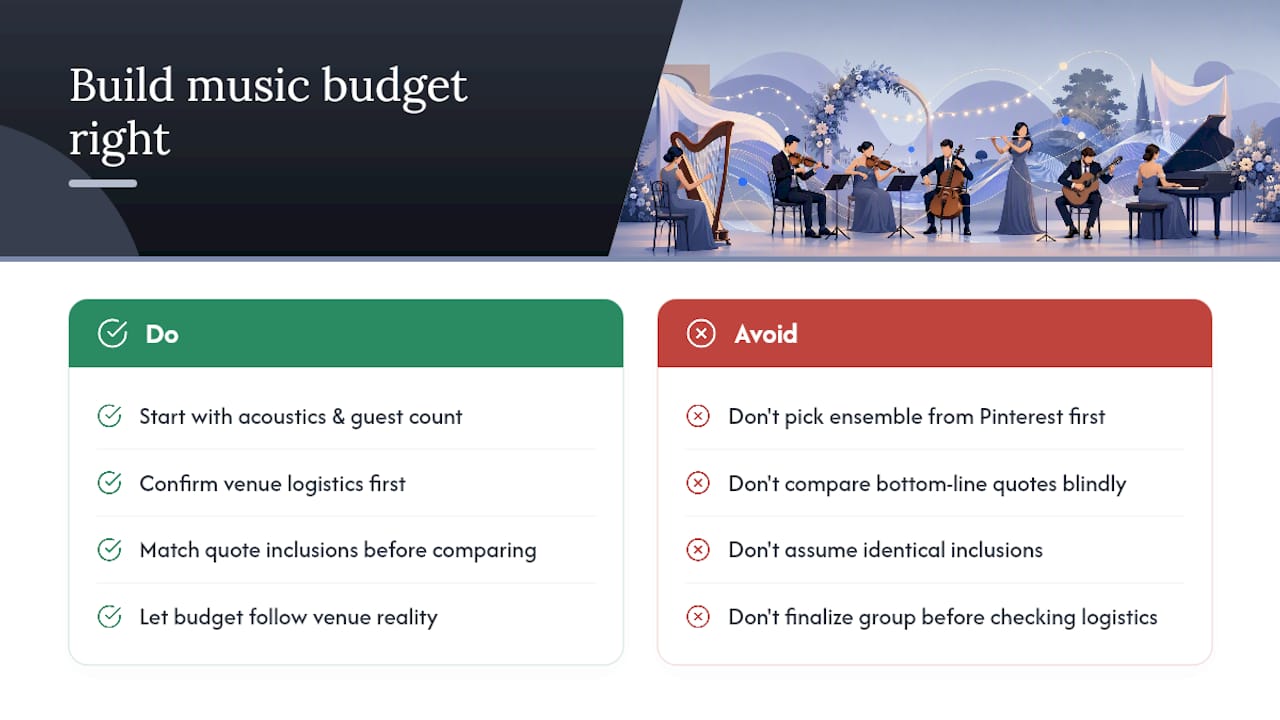
The conventional advice to "just get three quotes and compare" undersells how differently vendors bundle their pricing. One musician's $700 quote might include a sound system; another's $700 might not. Comparing bottom-line numbers without matching inclusions is how couples end up either overpaying or blindsided by add-ons two weeks before the wedding.
If there's one thing worth prioritizing first, it's confirming venue logistics, piano availability, outdoor power access, load-in distance, before you fall in love with a specific ensemble. The music budget should follow the venue reality, not the other way around.
— Alex
How Do You Request a Ceremony Music Quote?
Alex Levin Music works with couples across the full range discussed here, from an intimate solo piano ceremony to a full string quartet with cocktail-hour coverage, and quotes are built around your actual event rather than a generic package tier.
To get an accurate quote, have four details ready: your ceremony date, venue location, expected timeline (including whether cocktail hour needs coverage), and any instrument preference or must-play song. That's usually enough for a same-week response with real numbers instead of a vague range. Couples weighing planning mistakes to avoid can also check the wedding music planning guide before reaching out. When you're ready, request pricing through the Alex Levin Music services page and get a quote built around your specific ceremony instead of a one-size-fits-all package.
Sources
- Wedding Ceremony Music Cost Guide | WeddingWire
- How Much Does Wedding Ceremony Music Cost? (2026 Guide) - Paperlust
- Musicians and singers | Occupational Outlook Handbook | U.S. Bureau of Labor Statistics
- How to Find Wedding Ceremony Musicians, From Soloists to Quartets | The Knot