
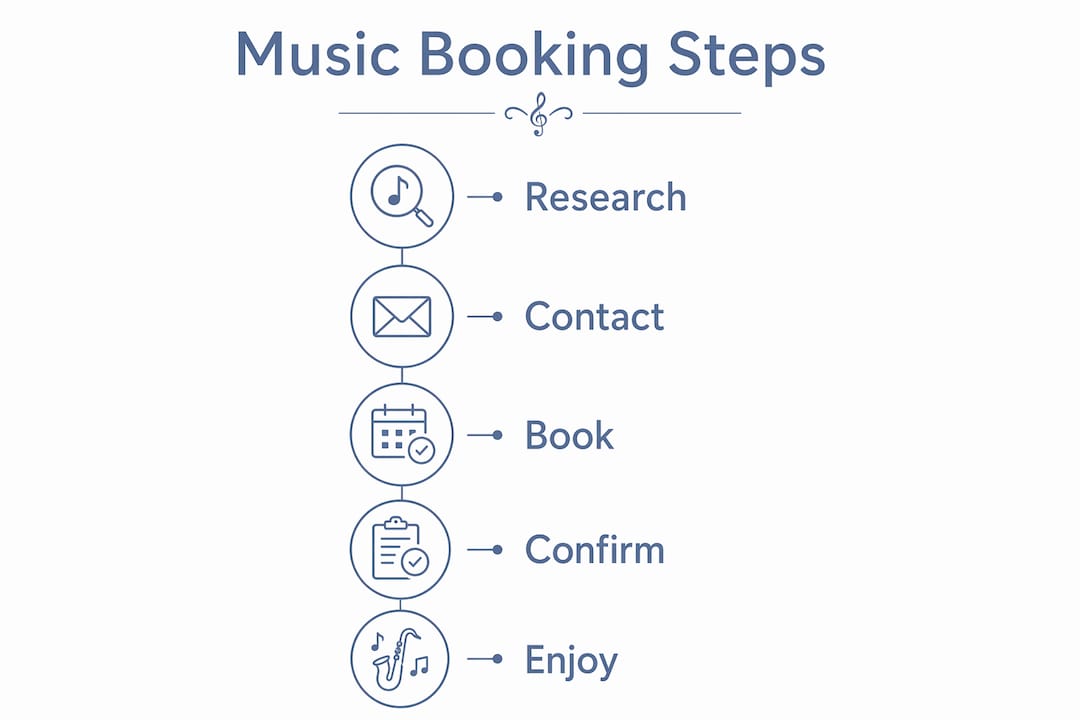
Wedding music booking is the process of finding, selecting, and securing live musicians or DJs who fit your wedding's style, timeline, and budget to create the right atmosphere for every moment of your day. The industry term for this process is "entertainment booking," and understanding it separates couples who get their first-choice performers from those who settle. Platforms like Cueup and WeddingWire have made it easier to compare acts and check availability, but the fundamentals of how wedding music booking works still require planning, clear communication, and a solid contract. Get those three things right, and your reception floor will be full all night.
How far in advance should you book wedding music?
Booking 6–12 months in advance is the standard recommendation for securing top wedding musicians. The strongest acts fill their calendars fast, and waiting until four months out dramatically shrinks your options. This is especially true for peak wedding season, which runs from may through october in most of the United States.
Several factors shape your ideal booking window:
- Venue season and popularity: Saturday evenings in june book out faster than friday afternoons in february.
- Band size and style: A full 8-piece wedding band has more scheduling complexity than a solo pianist or jazz trio.
- Customization needs: Early booking gives you time to request specific arrangements, learn new songs, or coordinate with your ceremony officiant.
- Coordination with other vendors: Your photographer, caterer, and musicians all need to align on timing. Earlier booking means fewer conflicts.
Booking late often leads to limited choices and higher costs. Couples who wait until three months before the wedding frequently report settling for their second or third choice of performer.
Pro Tip: Once you have your venue confirmed, treat musician booking as your next immediate task. Venue and music are the two vendors most likely to be unavailable if you wait.
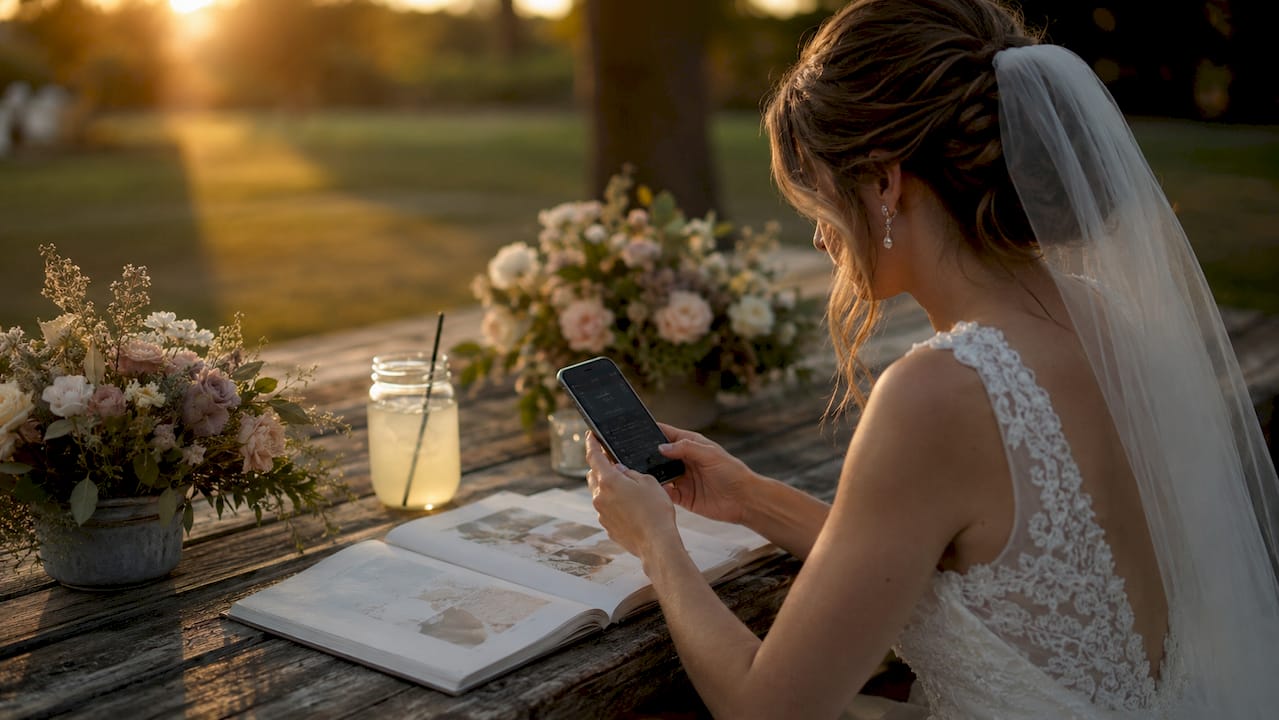
Use platforms like Cueup or WeddingWire to check real-time availability and read verified reviews before reaching out directly to artists. These tools let you filter by style, ensemble size, and price range, which saves hours of back-and-forth.
How do you choose wedding music for each moment?
The most effective approach to choosing wedding music is to map each moment of the day to a specific mood, then find performers who can deliver that mood consistently. Your wedding has at least four distinct musical chapters: the ceremony, cocktail hour, dinner, and open dancing.
A hybrid approach works best for most couples. Live musicians handle the ceremony, where emotional impact matters most, and a skilled DJ covers the reception, where catalog depth and real-time crowd reading are more valuable. This combination balances atmosphere with flexibility without blowing the entire entertainment budget on one act.
Here is how to think about each moment:
- Ceremony: String quartets, solo piano, or acoustic guitar create intimacy. The music must sync precisely with processional timing.
- Cocktail hour: A jazz trio or solo instrumentalist sets a relaxed, social tone without overpowering conversation.
- Dinner: Background music at lower volume. Live or recorded, the goal is ambiance, not performance.
- First dance and open dancing: This is where a live band or DJ earns their fee. Energy, transitions, and crowd response define the experience.
"Booking music based on the emotional arc of the wedding day rather than specific songs helps create a more cohesive atmosphere." — theevore.com
Resist the urge to micromanage every song. Instead, give your musicians a must-play and do-not-play list organized by wedding moment. This gives you control over the overall feel while letting professionals do what they do best. You hired them for their judgment. Use it.
Pro Tip: Tell your musicians the three words you want guests to use when describing the reception. "Elegant," "fun," and "unforgettable" give a performer more useful direction than a 40-song playlist.
You can also explore wedding ceremony music options to understand the full range of styles available for processionals and recessionals before you commit to a specific ensemble.
What does wedding music cost, and what is included?
Pricing for live wedding music varies widely based on ensemble size, performance hours, and travel distance. A string quartet for two hours typically costs $800–$2,000, which is often less than the premium a full live band commands over a DJ. A full band covering ceremony through reception can run $5,000–$15,000 or more in major markets like New York and Philadelphia.
Most quotes include the following:
- Performance time (usually 3–5 hours total with breaks)
- Basic sound equipment and setup
- One pre-event consultation
- A set repertoire with limited customization
What quotes often do not include: travel fees beyond a set radius, overtime charges per 30-minute block, additional equipment rental for large venues, and sound technician fees for complex setups.
| Cost Factor | What to Watch For |
|---|---|
| Travel fees | Charged per mile or as a flat rate beyond a set distance |
| Overtime | Billed in 30-minute increments, often at a premium rate |
| Equipment rental | Large venues may require additional speakers or monitors |
| Song customization | Learning new arrangements sometimes carries an extra fee |
| Deposit amount | Typically 25–50% of total fee, non-refundable |
Venue restrictions on space, power access, and noise limits shape your musician shortlist more than most couples expect. An outdoor garden venue with a noise ordinance at 9 p.m. rules out a full band immediately. Confirm these details with your venue coordinator before you request quotes.
Top wedding musicians provide formal contracts, require deposits, and have documented backup plans for emergencies like illness. If a musician cannot show you a written backup plan, that is a red flag worth taking seriously.
How do you communicate with musicians before the wedding?
Clear communication with your musicians is what separates a good performance from a great one. Most professional wedding DJs and bands offer detailed consultations 4–6 weeks before the wedding to review playlists, timing, and expectations. Use that meeting to cover everything in writing.
Here is a practical sequence for finalizing details:
- Send your must-play and do-not-play lists at least six weeks out. Organize them by moment: ceremony, cocktail hour, first dance, open dancing.
- Share your event timeline with exact times for key cues: processional start, first dance, cake cutting, last song.
- Clarify your guest request policy. Treat guest requests as suggestions filtered through your DJ or band, not guaranteed additions to the set.
- Confirm logistics in writing: load-in time, parking, power access, and point of contact on the wedding day.
- Ask about real-time adjustments. A live musician can adjust cues in real time if the processional runs long. A DJ with a pre-set playlist cannot. Know which you have.
Pro Tip: Assign one person, not the couple, as the on-site music contact for the wedding day. This keeps you free to be present in the moment while someone else handles any last-minute logistics.
Confirm all details again 48 hours before the wedding with a brief email. This is not micromanaging. It is professionalism, and every experienced musician expects it.
Before your consultation, review key questions to ask your wedding band so you walk in prepared and get answers that actually tell you something useful.
What are the most common wedding music booking mistakes?
Most wedding music regrets fall into a short list of avoidable errors. Knowing them in advance puts you ahead of the majority of couples.
- Booking too late. Couples most often regret booking live music too late or underestimating the full cost beyond the headline fee.
- Ignoring venue limitations. Noise ordinances, low ceilings, and limited power access can eliminate entire categories of performers before you even start comparing acts.
- Skipping the contract review. Every line in a music contract matters. Overtime rates, cancellation terms, and deposit refund policies are where surprises hide.
- Failing to communicate song preferences clearly. Handing a musician a 60-song Spotify playlist is not a brief. A structured must-play list organized by moment is.
- Overlooking setup logistics. Musicians need load-in time, parking, and a green room or holding area. Venues that cannot accommodate these needs create stress on the day.
For a deeper look at what goes wrong and how to fix it, the guide on wedding music planning mistakes from Alexlevinmusic covers the most frequent errors couples make and how to sidestep them.
Key takeaways
Successful wedding music booking requires early action, clear communication, and a contract that protects both sides before a single note is played.
| Point | Details |
|---|---|
| Book 6–12 months early | Top musicians fill their calendars fast; early booking protects your first choice. |
| Map music to each moment | Assign a mood and ensemble type to ceremony, cocktail hour, dinner, and dancing separately. |
| Understand the full cost | Get itemized quotes that include travel, overtime, and equipment before comparing acts. |
| Use must-play and do-not-play lists | Written lists organized by moment give musicians direction without removing their professional judgment. |
| Confirm everything in writing | Contract, timeline, logistics, and a 48-hour pre-event check-in prevent day-of surprises. |
What i've learned after years of playing weddings
Most couples spend more time choosing their centerpieces than briefing their musicians. That imbalance shows up on the dance floor.
The couples who get the best results are not the ones with the longest song lists. They are the ones who communicate the feeling they want and then trust the performers to deliver it. A skilled DJ, as WeddingDJFinder puts it, is an experience architect who reads the crowd in real time and adjusts accordingly. A great live band does the same thing. Neither can do their best work without a clear brief from you.
The other thing I have seen consistently: couples who book live music early almost never regret it. Couples who book late almost always do, whether because their preferred act was unavailable or because they ran out of time to customize the set properly. The case for live music over a playlist is not just about sound quality. It is about the energy a live performer brings to a room that no recording can replicate.
My honest advice: treat your music budget as seriously as your catering budget. Food feeds your guests for one evening. Music is what they will talk about for years.
— Alex
Ready to book live music for your wedding?
Alexlevinmusic specializes in live wedding entertainment across Philadelphia, New York, and beyond, with ensembles ranging from jazz trios and string quartets to full reception bands and DJ services. Every booking starts with a personalized consultation to match your style, venue, and timeline.
Whether you are planning an intimate ceremony or a large reception, Alexlevinmusic builds a music program around your day, not a generic package. Explore the full range of wedding music services and find out what makes live music genuinely special for weddings. Contact Alexlevinmusic directly to check availability and get a custom quote for your date.
FAQ
How far in advance should you book wedding musicians?
Book wedding musicians 6–12 months before your wedding date. The most in-demand acts fill their calendars early, and late booking significantly reduces your choices.
What does a wedding music contract need to include?
A wedding music contract should cover performance hours, deposit amount, overtime rates, cancellation terms, and a backup plan for emergencies like musician illness.
Is a live band or DJ better for a wedding reception?
A skilled DJ offers broader catalog depth and real-time crowd response, while a live band creates a unique atmosphere no recording can match. Many couples use both: live musicians for the ceremony and a DJ for the reception.
How do you handle guest song requests at a wedding?
Treat guest requests as suggestions, not guarantees. Give your DJ or band a clear must-play list and let them filter requests to keep the music consistent with your overall plan.
What is a must-play and do-not-play list?
A must-play list tells your musicians which songs are required for specific moments, such as the first dance or processional. A do-not-play list prevents songs that would feel out of place or carry unwanted associations. Both lists should be delivered in writing before the event.
Recommended
- 5 Common Music Planning Mistakes Couples Make — and How to Avoid Them | Alex Levin Music | Live Wedding Music New York | Live Jazz Music New York
- Common Wedding Music Planning Mistakes and How to Avoid Them | Alex Levin Music | Live Wedding Band New York | Live Wedding Band Philadelphia
- Questions to Ask Before Booking Your Wedding Band — and What Their Answers Should Tell You