 Listicle
Swing Bands for Corporate Galas: How to Choose the Right One
Quick Summary
Swing bands suit corporate galas because they bring energy without chaos and get guests dancing and mixing within a song or two. Choose the style, size and set list to match your room and audience. Alex Levin Music, with over 20 years of experience, plans each gala with the client.
- Guests who rarely dance at work functions often join in within a song or two.
- Ask every band for a sample set list before booking to confirm the repertoire fits.
- Use a smaller ensemble for arrivals and dinner, and the full band for the dance block.
- Send the venue a production brief covering stage footprint, power, load-in and sound check.
- Get proposals in writing, including instrumentation, overtime, cancellation and substitution terms.
Table of Contents
- Why Swing Bands Work at Corporate Galas
- Swing Band Styles and Repertoire to Consider
- Corporate Gala Entertainment Ideas Beyond the Dance Floor
- Band Size, Instrumentation, and Venue Requirements
- How to Book a Corporate Event Band
- How Alex Levin Music Plans Your Gala With You
- Live Music for Events: Pacing the Night From Arrival to Last Song
- Start Planning Your Gala Music With Alex Levin Music
- Frequently Asked Questions
Why Swing Bands Work at Corporate Galas
Last Updated: November 22, 2026
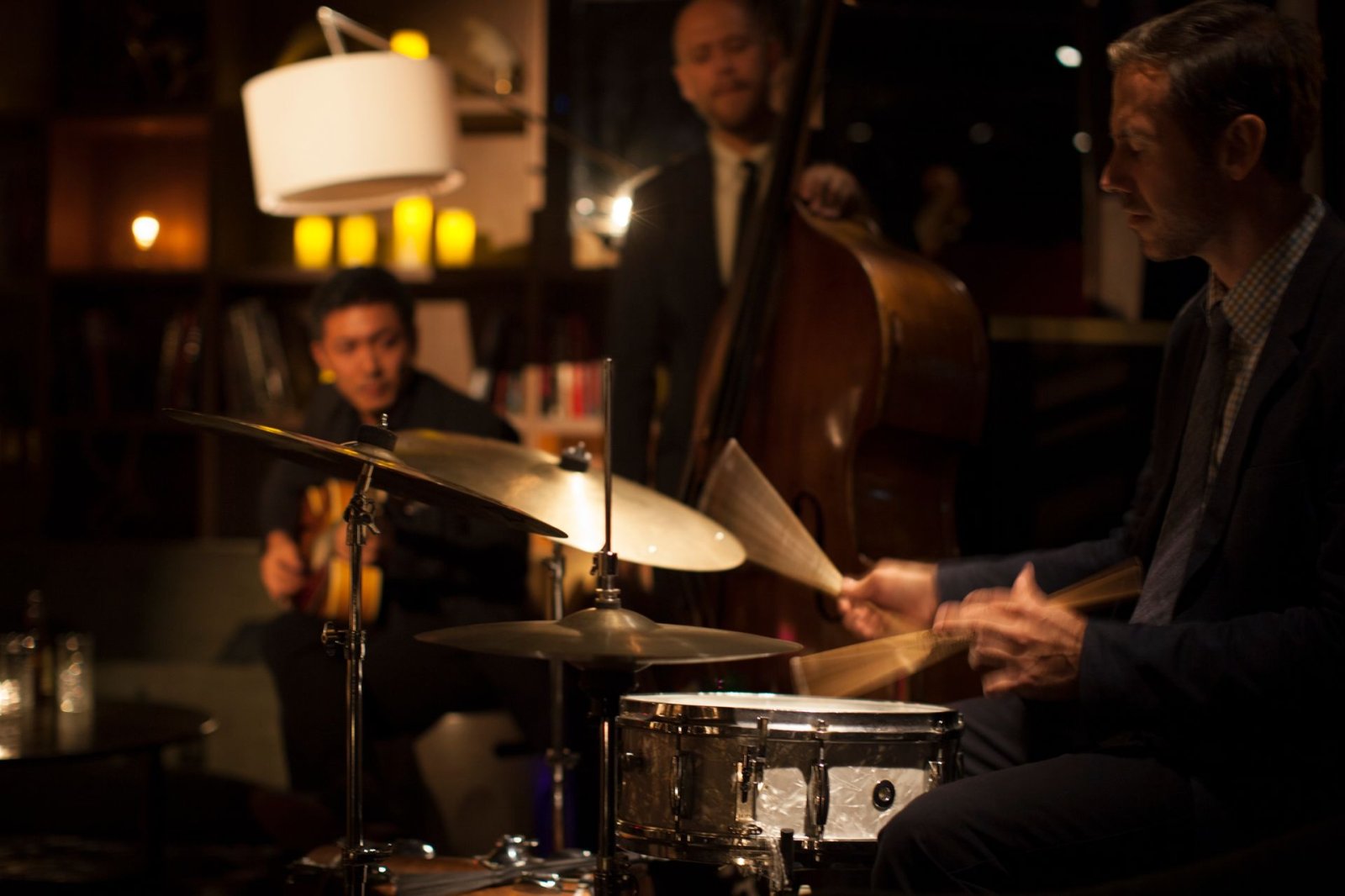
Choosing live music for a corporate gala is one of the few decisions that shapes how every guest feels about the night.
A swing band fills a room with recognizable music. Guests who never dance at work functions often find themselves on the floor within a song or two.
Swing also has a built-in sense of occasion. The tradition ties back to big band ballrooms and the Rat Pack era, so the music reads as formal without feeling stiff.
A common mistake is treating the band as background noise. Swing rewards attention, so plan for the band to be seen.
!Swing band performing on stage at an elegant corporate gala
Swing Band Styles and Repertoire to Consider
Not every swing band plays the same material. Some lean toward classic big band standards from the 1930s and 1940s.
Ask for a sample set list from any band you consider. The repertoire should match your audience's age range and the mood you want at each point in the evening.
Gypsy swing and instrumental jazz are good options when the music should sit under conversation. These styles keep the energy up without demanding full attention, which suits receptions and cocktail hours.
We recommend agreeing on a short list of must-play songs and a short list of songs to avoid.
Corporate Gala Entertainment Ideas Beyond the Dance Floor
Dancing is only one part of a corporate gala. Many planners use live music to fill the arrival period, the networking hour and the transitions between speeches and awards.
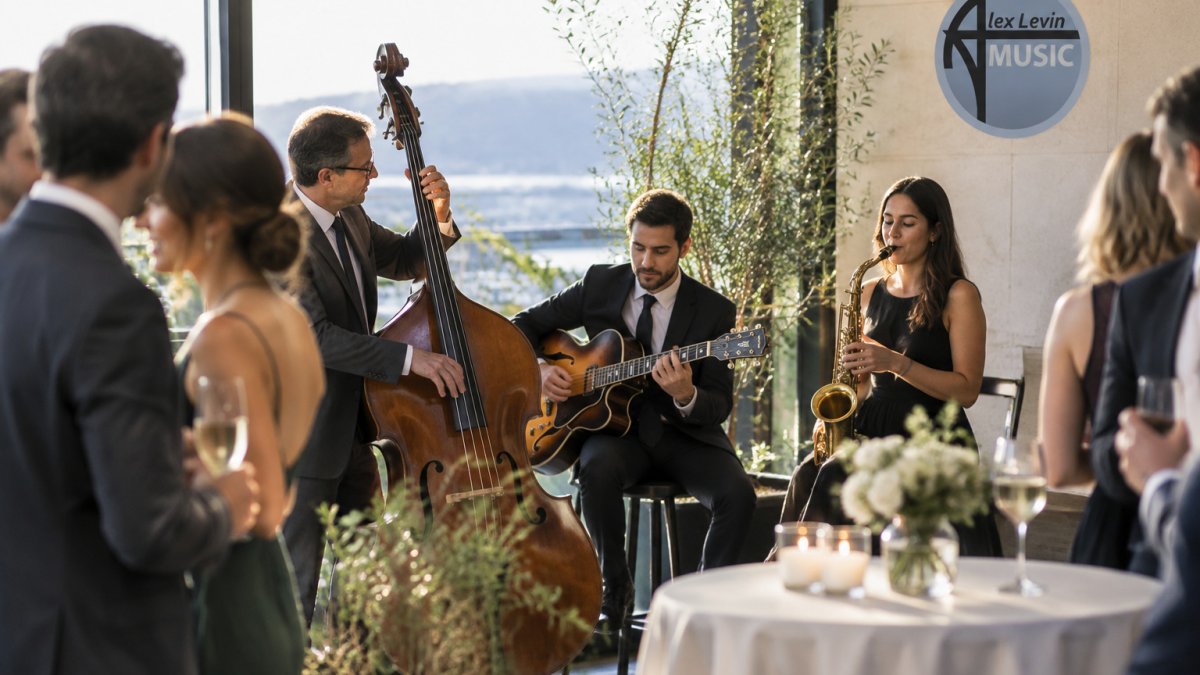
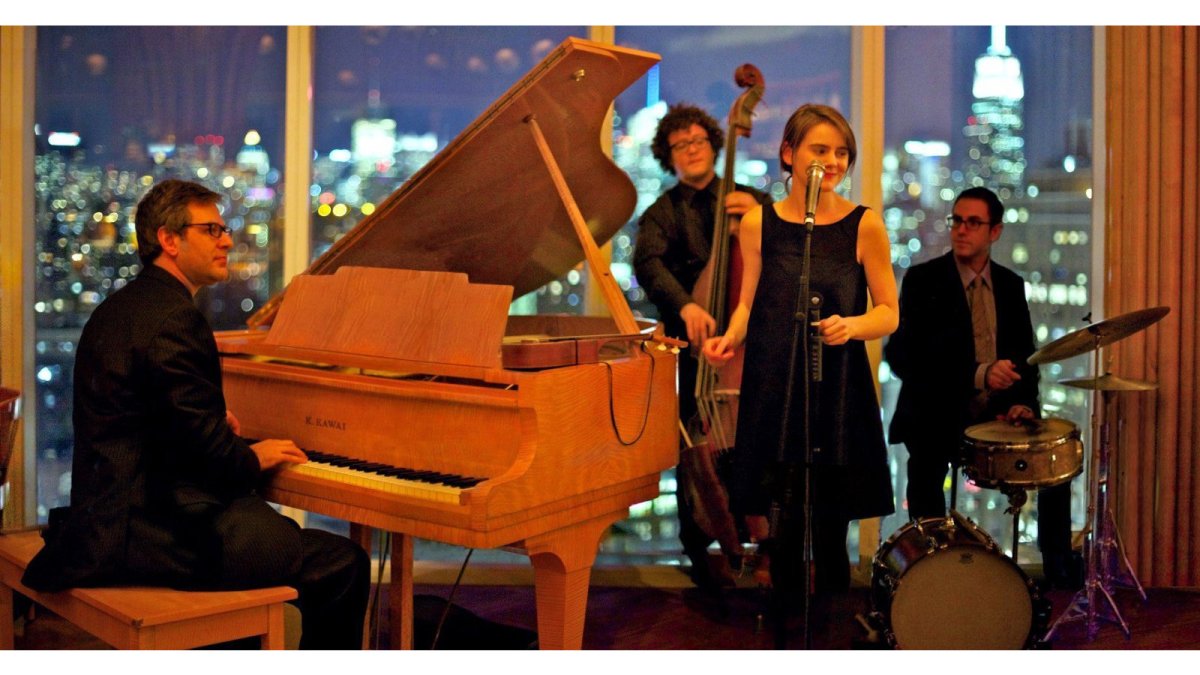
A jazz trio or a string quartet can greet guests during arrivals without overwhelming conversation. Once the program begins, the room can shift to a full ensemble for the dancing portion.
Consider where the music will be heard. Entertainment placed near the entrance sets the tone immediately, while a band positioned near the stage works well for the main program.
Some clients ask about interactive touches, such as song requests for a specific executive or a tribute number for a company milestone.
Band Size, Instrumentation, and Venue Requirements
Most gala entertainment problems are production problems in disguise. The band can be excellent and still fall flat if the stage is too shallow for a horn section, the load-in elevator is booked during the cocktail hour, or the sound check collides with the caterer's plated dinner rehearsal. The practical move is to treat the ensemble and the venue as one decision, made together, before the date is locked.
Match the Ensemble to the Room, Not the Other Way Around
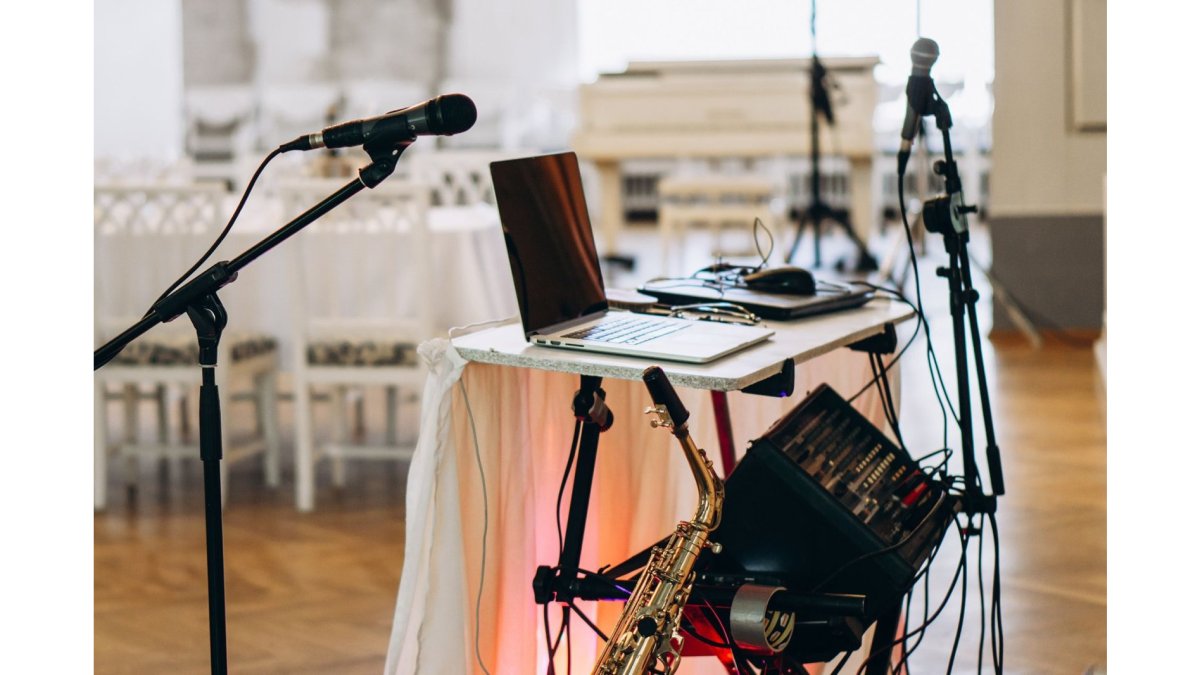
Start with three numbers: usable stage footprint, ceiling height, and expected guest count. A full swing band with horns, rhythm section, and vocals needs a wide, shallow stage so players can see each other and the audience can see the front line. A smaller combo, trio, quartet, or a rhythm-plus-vocal configuration, fits tighter private dining rooms and reception spaces where a full horn line would overpower conversation.
If the dance floor is the centerpiece, position the band on the long wall rather than a corner so the sound spreads evenly and guests are not dancing into a speaker stack.
The Production Checklist to Send the Venue
Before signing anything, send the venue contact a short production brief and get written answers. The items that most often cause day-of friction:
- Stage footprint and riser height. Confirm the minimum width and depth the band needs, and whether the venue provides a riser or the band brings one.
- Power. Ask for the number and location of dedicated circuits near the stage. Horns and vocals are acoustic or lightly amplified; drums, bass, keys, and the PA draw the load. Confirm the venue will not share those circuits with catering equipment.
- Load-in and load-out windows. Freight elevator size, dock access, and the times the venue will release them. A gala load-in that overlaps with florals or rentals is a common bottleneck.
- Sound check window. Ask when the room is quiet enough to check. If the venue will not clear the room until 30 minutes before doors, plan a line check instead of a full sound check.
- AV and lighting coordination. Confirm who controls the house PA, who runs the lighting cues, and whether the band's engineer will interface with the venue's AV team or run a standalone system.
- Dressing and green room. A secure space for musicians to leave cases and change is not a luxury; it keeps the band off the floor during setup.
Acoustics and Volume Are Separate Problems
Hard surfaces, stone floors, glass walls, high ceilings, make a band sound loud without actually filling the room, because reflections arrive at the listener later than the direct sound. Soft furnishings, carpet, and drapery absorb that energy.
Ask the band to play at the volume you expect during dinner and listen from the farthest table. If conversation becomes difficult, the fix is usually fewer players, a repositioned stage, or both, not simply turning down a system that was sized for a dance set.
When the Room Is the Constraint
Some ballrooms simply cannot hold a full swing band without compromising sightlines or dinner conversation. In those rooms, the better plan is a smaller ensemble for arrivals and dinner, with the full band taking the stage only for the dance block.
Watch out: confirm the final instrumentation in writing. A band booked as a ten-piece ensemble should not arrive as a smaller group without notice, and the venue's stage and power plan should be built around the lineup you actually contracted.
!Full swing band with horn section performing on a ballroom stage at a corporate gala
The table below sums up the production questions to settle with the venue before booking.
| Item | What to confirm | Note |
|---|---|---|
| Stage footprint | Minimum width and depth | Riser may be venue-provided or brought by band |
| Power | Dedicated circuits near stage | Keep separate from catering equipment |
| Load-in windows | Freight elevator and dock access | Avoid overlap with florals and rentals |
| Sound check | Time the room is quiet | Otherwise plan a line check |
| AV coordination | Who runs PA and lighting cues | Band engineer may run standalone system |
| Dressing room | Secure space for cases and changing | Keeps musicians off the floor during setup |
How to Book a Corporate Event Band
Booking a band for a corporate gala is a procurement exercise as much as an artistic one. The strongest proposals are the ones that answer the same questions in the same order, so you can compare them side by side without translating between formats. Build a short brief first, event type, guest count, venue, run-of-show, and the specific moments you want live music, then send it to every band you are considering so each quote is built on the same assumptions.
What a Complete Proposal Should Include
Ask each band to put the following in writing. If a proposal is missing several of these, that is a signal about how the engagement will be managed.
- Exact instrumentation and named personnel. Not "ten-piece band" but the specific lineup: how many horns, which rhythm players, whether vocals are included.
- Performance time and set structure. Total play time, number and length of sets, and break length.
- Arrival, setup, and sound check times. These should be tied to the venue's load-in window, not left vague.
- Travel and production assumptions. Whether the quote assumes the venue provides a PA and lighting or the band brings its own.
- Deposit and payment schedule. The percentage due to hold the date, the balance due date, and the accepted payment methods.
- Cancellation and postponement terms. What happens to the deposit if the event is cancelled, moved, or downsized, and whether there is a force-majeure clause.
- Overtime rate and how it is triggered. Whether overtime is billed in fixed blocks and who authorizes it on the night.
- Substitution policy. What happens if a named musician becomes unavailable, and whether substitutions of equivalent instrumentation require your approval.
- Insurance and liability. Whether the band carries general liability coverage and can provide a certificate naming the venue and your company as additional insureds, many venues require this before load-in.
- Backup plan. Whether the band has a plan for equipment failure, illness, or travel disruption, and who your point of contact is on the day.
Hold the Date, Then Read the Contract
Many bands will place a hold on your date while you finalize approvals, but holds can expire. Ask how long the hold lasts and what triggers release. When the contract arrives, read it against the proposal line by line, performance length, overtime terms, cancellation terms, and substitution language are where proposals and contracts most often diverge. Because substitution language matters especially when a lineup changes, hiring professional brass bands calls for the same careful contract review of personnel, performance length, and cancellation terms.
Deposit terms vary, so confirm refund and transfer terms in writing before you commit.
Coordinate the Band With the Rest of the Vendor Team
The band is one vendor among many on gala night, and the run-of-show is where they intersect. Share the timeline with the band, the venue AV team, and the caterer so that load-in, sound check, dinner service, speeches, and the dance block do not collide.
Watch out: do not let the final set run past the venue's agreed end time. Overruns can cost you the venue goodwill and sometimes extra fees, and they compress the load-out window the venue has already scheduled.
A Note on Pricing
Pricing depends on ensemble size, performance length, travel, production needs, and the number of set changes, so a fixed published rate is rarely accurate for a gala. Pricing depends on quantity, dates, and delivery, so request a quote from Alex Levin Music tied to your date and format. When comparing quotes, normalize them to the same performance time, the same instrumentation, and the same production assumptions, otherwise the lowest number often reflects a smaller band or a shorter set rather than a better value.
!Close-up of a swing band's horn section in formal attire during a corporate gala performance
How Alex Levin Music Plans Your Gala With You
At Alex Levin Music, we see ourselves as event partners rather than only as musicians. We work on each project in collaboration with the client, from the first conversation through the final song.
Our planning process starts with questions about the purpose of the event, the audience and the schedule.
We can stay quiet when the event calls for it, and we can take center stage when the program needs energy.
Clients who want to talk through their event can request a planning call. Our team will walk through options that fit the format you have in mind.
Live Music for Events: Pacing the Night From Arrival to Last Song
Good live music follows the rhythm of the evening. Arrivals call for light, unobtrusive sound that lets guests settle in. Dinner calls for music that supports conversation.
Map the timeline with your band before the event.
Plan a short break for the band during the evening. Rested musicians sound better, and the break gives you a natural pause to adjust volume or reposition players if needed.
Watch out: do not let the final set run past the venue's agreed end time.
Start Planning Your Gala Music With Alex Levin Music
Choosing swing bands for corporate galas comes down to matching the style, size and pacing to your room and your guests. Alex Levin Music brings more than 20 years of experience and a planning process built around each client's event. We would be glad to help you shape a plan that fits your gala.
Contact our team to discuss availability, ensemble options and a custom plan for your date. Book your live performance with Alex Levin Music and give your guests a night they will remember.
Frequently Asked Questions
What are corporate bands?
Corporate bands are musical ensembles hired to perform at business events such as galas, holiday parties, award nights and client receptions. They range from quiet background ensembles to full swing or big bands that lead the dance floor. Most are booked for a set duration and tailored to the event's tone. At Alex Levin Music, we work with planners to match the ensemble to the room, the schedule and the guest mix, so the music supports the event rather than competing with it.
How do you choose a swing band for a corporate gala?
Start with the event's tone and room. A formal gala with a seated dinner may suit a smaller swing ensemble that can play softly, while a dancing reception may call for a larger band. Ask for sample repertoire, confirm the musicians' experience with corporate events, and review how the group handles song requests. Clear planning before the event makes the choice easier and helps the band fit your schedule.
How long should a swing band play at a corporate event?
Set length depends on the program. Many corporate galas schedule the band for a cocktail hour, a dinner segment and a dance period, with breaks between sets so the music does not overwhelm conversation. Plan the run of show with your band in advance so they know when to play lively numbers and when to lower the volume. Alex Levin Music builds this timing into the planning process with the client.
What should you ask a swing band before booking?
Ask about the musicians who will attend, their experience at corporate and private events, and how the group adapts to a venue's size and acoustics. Request a clear outline of the setup, the arrival time and any wardrobe expectations. Confirm how song requests are handled and what changes are possible closer to the date. For current pricing or a quote, contact Alex Levin Music directly through the website.