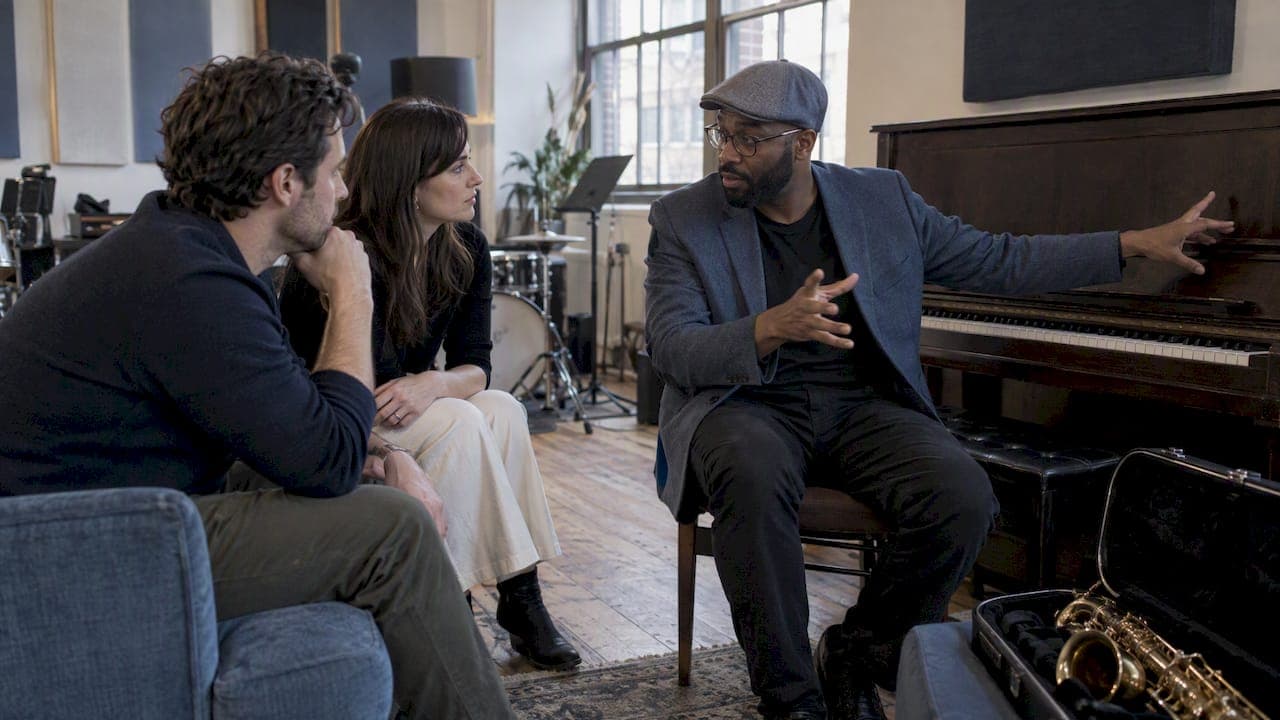
For an elegant reception, hire a professional string quartet, solo piano, jazz trio or quartet, swing band, or hybrid DJ and live setup, then program the music by phase: cocktail hour, dinner, first dance, and open dancing. The common thread across polished receptions is live musicians who read the room, carry their own arrangements, and hand off cleanly between phases without a hitch.
TL;DR:
- String quartets are ideal for ceremonies and dinners, offering acoustic warmth suitable for elegant indoor or outdoor settings.
- Booking peak season dates requires securing ensembles 9 to 12 months in advance, while off-season bookings are possible 3 to 6 months ahead.
- Program music accordingly to each phase: low-volume standards during a cocktail hour, melodic dinner pieces, and energetic tracks for dancing.
- Repertoire should emphasize an ensemble's strengths, favoring familiar styles or signature pieces rather than forcing unfamiliar genres.
- Costs generally start around $1,000 for a string quartet, with custom arrangements and travel pushing prices higher; smaller groups may be available for last-minute bookings.
Table of Contents
- Which live ensembles fit an elegant reception
- How to program music across each reception phase
- Choosing repertoire that still feels like you
- A booking checklist for logistics and sound
- What elegant live music costs and when to book it
- Honoring cultural and personal music preferences
- Handling song requests without losing the mood
- Coordinating music with speeches, lighting, and announcements
- A working musician's rules for a smooth night
- How Alex Levin Music can bring this together for your reception
- Sources
- FAQ
Which live ensembles fit an elegant reception
Every ensemble has a sonic signature, and matching it to your room and guest list matters more than chasing the fanciest option on paper. A string quartet brings a warm, acoustic texture that works beautifully in a ballroom or garden ceremony space, and it can be arranged to play everything from classical standards to contemporary songs, according to The Knot's guide to hiring a string quartet. Solo piano offers intimacy and flexibility, ideal for smaller venues or cocktail spaces where conversation needs room to breathe. A jazz trio or quartet adds rhythmic sophistication without crowding a room, and these groups scale from duo to quartet depending on venue size and the acoustic impact you want, per a marketplace listing on jazz ensemble scaling. Swing bands bring energy for receptions built around dancing, while a hybrid DJ and live soloist setup keeps the elegance of acoustic music earlier in the night and shifts to stronger dance-floor energy later.
Scaling up or down changes more than cost. A duo is quieter and easier to place in a tight cocktail area, while a full quartet fills a larger room but needs more floor space and often amplification outdoors.
- String trio or quartet: best for ceremonies, cocktail hours, and dinner, acoustic or lightly amplified.
- Solo piano: best for intimate spaces and dinner service where guests want to talk.
- Jazz trio or quartet: best for cocktail hours and dinner with a bit more swing and improvisation.
- Swing band: best for receptions where dancing is a priority from early in the night.
- Hybrid DJ and live soloist: best for couples who want acoustic elegance early and a bigger dance-floor push later.
A common pairing is a string trio for the ceremony, the same musicians or a jazz trio for cocktail hour, and a fuller ensemble or hybrid setup once dancing starts.
How to program music across each reception phase
Each phase of a reception asks something different of your musicians, and the biggest mistake planners make is treating the whole night as one playlist instead of four distinct moods.
- Cocktail hour: keep volume low enough for conversation, lean on instrumental standards, and let a solo pianist or jazz trio set a relaxed tone as guests arrive.
- Dinner: soften further still, favor longer, melodic pieces over anything rhythmically busy, and avoid songs with prominent vocals that compete with toasts.
- First dance: coordinate the arrangement and cue directly with the musicians beforehand, since a live rendition often runs slightly differently than a recorded version the couple rehearsed to.
- Dancing: raise both volume and tempo deliberately, building from mid-energy favorites into the night's peak rather than opening with your highest-energy number.
Set lengths typically run 45 to 60 minutes with short breaks, and those breaks are a natural place to hand off between a quieter cocktail ensemble and a higher-energy dance band if you're using a hybrid approach.
Pro Tip: Ask your ensemble to build a “fade” transition between dinner's last song and the first dance, so the room's energy shifts smoothly instead of stopping and restarting.
Choosing repertoire that still feels like you
The strongest reception programs favor what an ensemble already does well rather than forcing an unfamiliar style onto them. Directors and performers consistently find that previewing a group's existing repertoire and planning around one or two signature pieces produces a stronger result than asking musicians to emulate a genre outside their specialty, according to guidance from NAfME on repertoire selection. That doesn't mean sacrificing personality. Elegant doesn't have to mean classical only: many successful receptions blend classical technique with jazz phrasing or a tastefully arranged pop song, which is why string quartets are frequently asked to play contemporary material alongside traditional pieces.
If a couple wants a specific modern song, the right move is usually to commission an arrangement rather than hand the musicians sheet music written for a pop vocal track. A string quartet or jazz trio can often reinterpret a favorite song in a style that suits acoustic instruments, keeping the emotional core while fitting the room's tone.
- Ask to hear the ensemble's existing arrangements before requesting new ones.
- Mix eras and styles deliberately rather than clustering everything from one decade.
- Reserve custom arrangements for a handful of meaningful moments, not the entire set.
- Let the ensemble's instrumentation guide genre choices instead of fighting against it.
Repertoires that span classical, jazz, pop, and film music give couples room to request familiar songs rendered elegantly rather than settling for generic background music.
A booking checklist for logistics and sound
Most reception music problems trace back to a detail nobody confirmed in advance. Build your contract and venue conversation around a short list.
- Confirm set lengths, break timing, overtime rates, and cancellation terms in writing before the event.
- Ask about travel fees if your venue falls outside the ensemble's usual service area.
- Check the venue's load-in window, available power outlets, stage footprint, and any noise restrictions.
- For outdoor receptions, confirm a weather contingency plan with both the venue and the musicians.
- Clarify who provides amplification: many acoustic ensembles need a PA for larger rooms or outdoor spaces.
- Share the day's timeline with your MC and catering team so musical cues for toasts and announcements don't collide with set breaks.
Ensembles that provide video samples and straightforward booking contacts tend to reduce friction for clients choosing between options, a pattern reflected across marketplace listings for jazz ensembles that handle their own logistics. An AV checklist for event planners is worth running through with your venue early, since power and signal-flow surprises are avoidable with a short conversation weeks ahead rather than on the day. A detailed wedding reception music checklist can help you track these items against your own timeline.
What elegant live music costs and when to book it
Budgets vary by ensemble size, arrangement requests, and travel, but a few benchmarks help set expectations. A string quartet often begins at a starting price commonly cited around $1,000, with trios and duos available as lower-cost alternatives, according to The Knot's pricing guidance for string quartets. Jazz trios and quartets generally cost similarly depending on set length and amplification requirements. Custom arrangements, travel outside an ensemble's home city, and peak wedding season (typically late spring through early fall) all push costs upward.
- Book premium ensembles 9 to 12 months ahead for peak season dates, and 3 to 6 months ahead for off-season events.
- If budget is tight, trim ensemble size before cutting hours: a trio playing all afternoon beats a quartet playing half of it.
- Prioritize spending on moments that matter most, typically the ceremony and first dance, even if it means a smaller group for cocktail hour.
- Ask about last-minute availability if your date is within a few months. Smaller ensembles sometimes have open slots that larger groups don't.
Honoring cultural and personal music preferences
A reception's music should reflect the people hosting it, not just the venue's usual playlist. Couples blending cultural traditions often want a specific folk melody, a religious hymn, or a song tied to family heritage woven into the cocktail hour or dinner set, and most live ensembles can learn or arrange these pieces with enough notice.
The key is giving your musicians the piece early, ideally when you first book, so there's time to source sheet music or build an arrangement that fits the ensemble's instrumentation. A string quartet can often adapt a traditional melody with real sensitivity, while a jazz trio might reinterpret a personal favorite with a gentler touch during dinner. Flag any songs with specific cultural or religious significance so the musicians treat the moment with the right tone rather than playing it as background music. If multiple traditions are represented across two families, spacing those pieces across different phases of the reception, rather than clustering them all at once, tends to feel more natural and gives each moment its own space to register with guests.

Handling song requests without losing the mood
Guests requesting songs mid-reception is common, and the way you handle it says a lot about how polished the evening feels. The cleanest approach is deciding in advance how much flexibility your ensemble has and communicating that to your wedding party or MC, so requests get filtered before they reach the stage.
Most professional ensembles are happy to take a short list of preferred songs from the couple ahead of time and will field live requests only if they fit the current phase and the group already knows the material. A jazz trio might slip a requested standard into a dinner set without breaking the mood, but a request for a high-energy pop song during cocktail hour is better held until dancing begins. Agreeing on a few guest request slots during the open dancing portion, rather than leaving it open all night, keeps the program intentional instead of reactive.
Coordinating music with speeches, lighting, and announcements
Music rarely operates alone during a reception. It needs to work with an MC's timing, a lighting designer's cues, and the natural pauses built into toasts and announcements.
Share your full reception timeline with the band leader or pianist before the event, not just a start time. Musicians need to know exactly when speeches begin so they can lower volume or pause entirely, and when announcements like the cake cutting or bouquet toss are coming so they can transition into appropriate music without a gap. If the venue uses dimmed or colored lighting cues for key moments, mention that to the musicians too, since many experienced ensembles will adjust tempo or dynamics to match a shift in lighting during a first dance or toast. A quick walkthrough with the MC, caterer, and musicians on the day, even just 10 minutes before guests arrive, prevents the kind of awkward silence or overlap that breaks an otherwise elegant evening.

A working musician's rules for a smooth night
Keep the pre-event checklist short and specific: confirm arrival time against the venue's load-in window, run a quick sound check before guests arrive, and agree on a backup plan if weather or equipment throws off the schedule. These three things prevent most of the problems that derail an otherwise well-planned reception.
Lean on an ensemble's signature repertoire rather than asking for a stretch into unfamiliar territory. A group plays its strongest material with more feeling and more confidence, and guests notice the difference even if they can't name why. The elegant receptions that stick in people's memory are rarely the ones with the most unusual requests. They're the ones where the music never once felt like it was working hard.
— Alex
How Alex Levin Music can bring this together for your reception
Alex Levin Music books live ensembles built around exactly this kind of programming: reception music, cocktail hour music, string quartets, jazz trios, and DJ and hybrid setups for couples who want acoustic elegance early and stronger energy later in the night. Rather than piecing together a playlist and hoping it holds the room, you get musicians who already know how to pace a reception from cocktail hour through dancing.
Booking starts with a conversation about your venue, guest count, and the moments that matter most to you, and reception music packages begin from $3,000. From there, you can:
- Request a sample setlist built around your preferred style, whether that's classical, jazz, or a blend of both.
- Share any specific songs, cultural pieces, or first-dance arrangements you want built into the program.
- Confirm logistics like load-in, amplification, and timeline coordination directly with your musicians ahead of the date.
Check availability for your date and start the conversation through the reception music page.
Sources
- How to find and use a string quartet for your wedding — The Knot
- Without challenge there is no growth — NAfME
FAQ
What is the best live ensemble for an elegant wedding reception?
There's no single best choice: a string quartet suits a formal ballroom, a jazz trio fits a relaxed cocktail hour, and a swing band or hybrid DJ setup works for receptions built around dancing. The right pick depends on your venue size, guest dynamics, and how much dancing you expect.
How much does a live string quartet cost for a reception?
A standard string quartet booking often starts around $1,000, with trios or duos available as lower-cost alternatives. Custom arrangements, travel, and peak-season dates typically push the price higher.
How far in advance should I book an elegant reception ensemble?
Popular ensembles are usually booked 9 to 12 months ahead for peak wedding season, while off-season dates often allow booking 3 to 6 months out. Last-minute availability sometimes exists with smaller ensembles like a duo or solo pianist.
Can live musicians play pop songs elegantly at a reception?
Yes. String quartets and jazz trios regularly perform arranged versions of contemporary songs, and many ensembles will build a custom arrangement for a couple's favorite track rather than using sheet music written for a vocal recording.
What does Alex Levin Music offer for reception music?
Alex Levin Music provides live reception music including string quartets, jazz trios, solo piano, and hybrid DJ and live setups, with packages starting from $3,000. Couples can request a sample setlist and coordinate repertoire and logistics directly when booking.