 Ultimate guide
How to Choose Wedding Music for Every Moment of Your Day
Quick Summary
Choose wedding music by first deciding the feeling you want guests to have, such as warm and intimate, elegant, playful, or high-energy. Then assign one song to each moment of the day, from the prelude and processional to the recessional and last dance.
- Write three adjectives describing the atmosphere you want, then check every song against them.
- Most ceremonies need three to five pieces, depending on how many people walk and how long seating runs.
- Match the processional tempo to a natural, unhurried walking pace and rehearse the walk with the music.
- Use live music for seated moments and recorded music or a DJ where the room is loud and the set list must react.
- Carry the playlist on two devices, download every track for offline playback, and bring a backup speaker.
Table of Contents
- Start With the Feeling You Want Your Guests to Have
- Map Your Ceremony Timeline and Song Needs
- Deciding Between Live Music and Recorded Tracks
- Building a Wedding Song Checklist Template
- Planning Your Wedding Music Timeline From Booking to the Last Dance
- Book Live Music That Fits Your Ceremony and Reception
- Frequently Asked Questions
Start With the Feeling You Want Your Guests to Have
Last Updated: November 12, 2026
Choosing wedding music starts with one question: what should your guests feel when they walk in, when you walk down the aisle, and when the last dance ends?
Test this by imagining a guest arriving at the ceremony. Are they greeted by soft background music, or something that feels like a party before the couple appears?
Tip: Write three adjectives describing the atmosphere you want, then check every song against them.
Map Your Ceremony Timeline and Song Needs
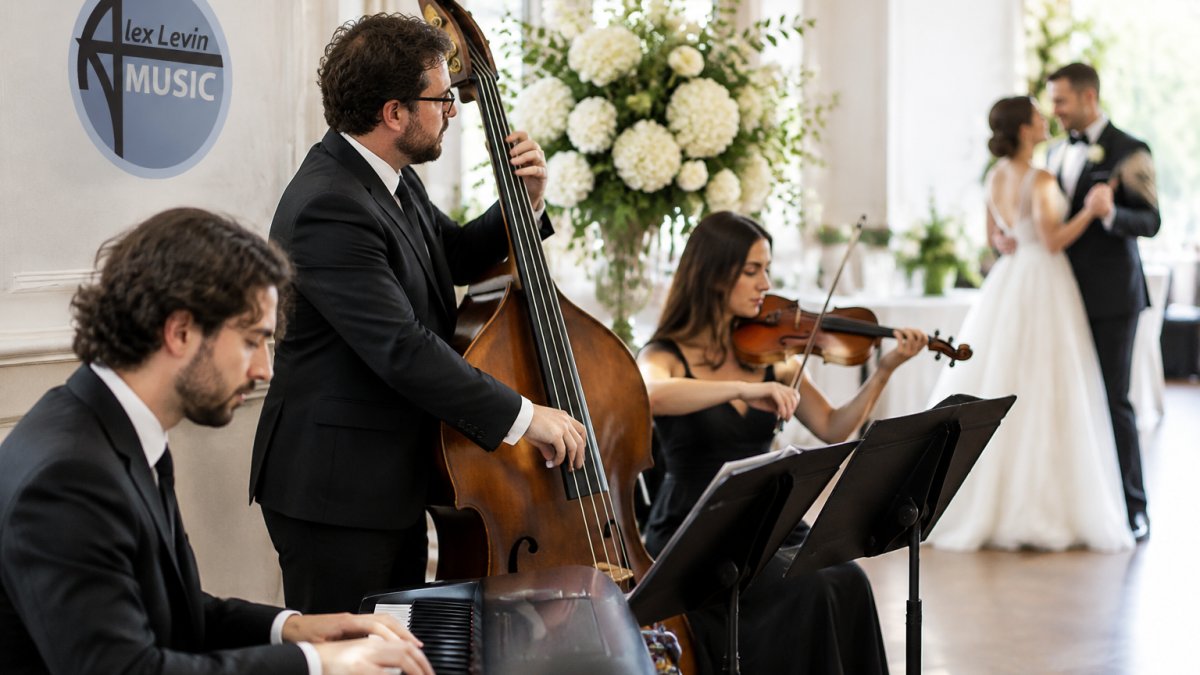
Before picking a single song, map the ceremony: a prelude while guests are seated, a processional for the wedding party, the couple's entrance, and a recessional. See ceremony music options for how each of these moments is covered. Each moment needs its own piece, and timing matters as much as the choice.
Prelude, processional, and recessional
The prelude covers guest arrival and seating. It should be quiet enough for conversation and steady enough to feel intentional.
The processional covers the wedding party and often the couple's entrance; the recessional is the joyful exit, usually the most upbeat moment, so couples often choose something with a clear, celebratory build.
A simple way to count your songs is to list each moment and assign one selection to it.
Matching tempo to walking pace
Music and walking should move together. A slow ballad paired with a brisk walk looks awkward, and an uptempo song for a slow procession can rush the moment.
A reasonable starting point is a moderate tempo for the processional and a faster, lively tempo for the recessional.
Deciding Between Live Music and Recorded Tracks
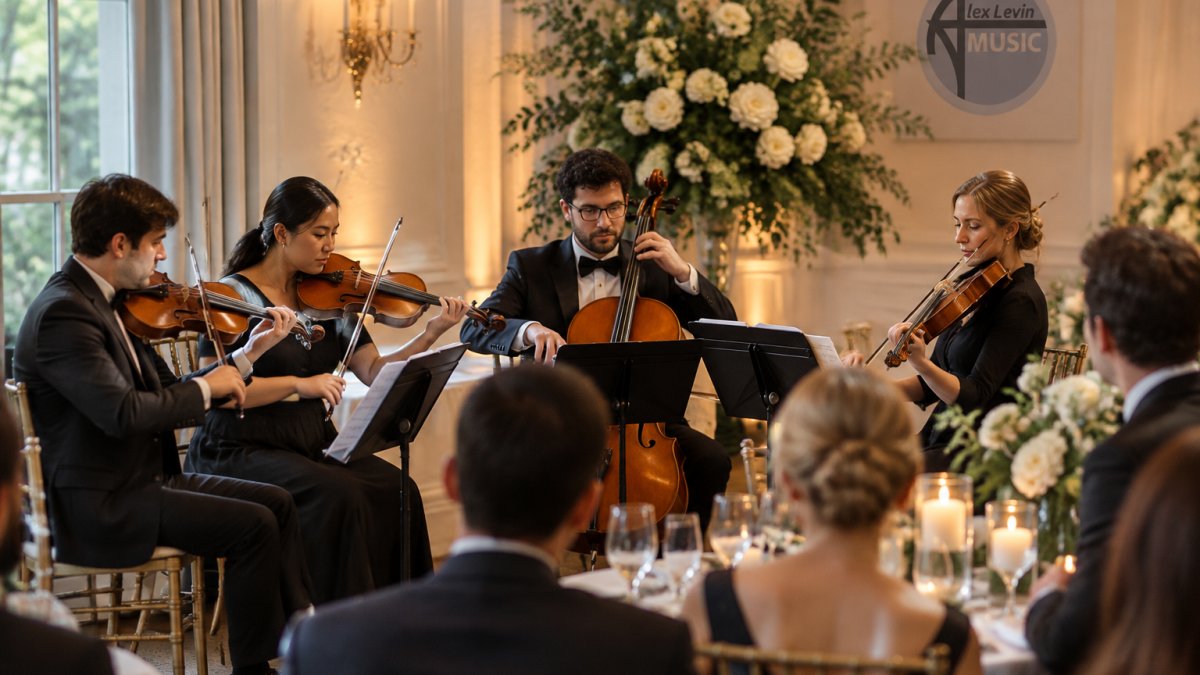
Live musicians and recorded tracks are different products with different costs, setup needs, and failure modes. Treat this as a decision with four inputs: budget, venue fit, flexibility, and reliability.
Cost and budget structure
Live ensembles are priced according to the number of musicians, the hours booked, and the services included, and pricing depends on the ensemble, date, and event details. Recorded music has a lower performance cost, but you may still pay for a DJ, sound system rental, or a venue audio package.
Setup, power, and space
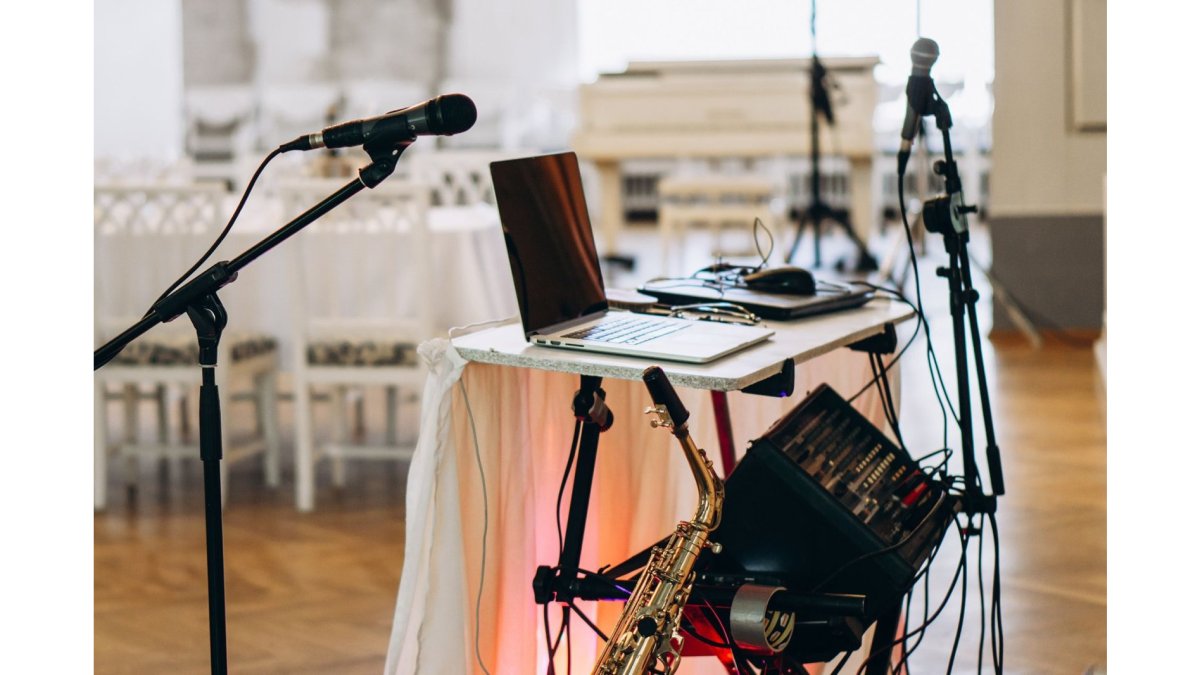
Live musicians need physical space, and power if amplified. A DJ needs a table, power, and a clear line of sight to the dance floor. Walk the venue with the vendor or send photos and a floor plan: a ceremony site that looks spacious when empty can leave no room for a quartet once chairs, an aisle runner, and a unity table are placed.
Flexibility versus consistency
Live musicians can stretch or shorten a processional in real time, which matters when a flower girl freezes or a parent walks slower than rehearsed, and they can take a request on the spot. Recorded music is locked to the recording but perfectly consistent and can reproduce a specific arrangement, a clean edit, or a genre the live vendor does not cover.
Reliability and contingencies
Recorded music fails when the device fails, the file is missing, or the venue Wi-Fi drops; live music fails when a musician is ill or a string breaks. Both risks are manageable. For recorded music, carry the playlist on two devices, download every track for offline playback, and bring the correct cables and a backup speaker.
A simple decision rule
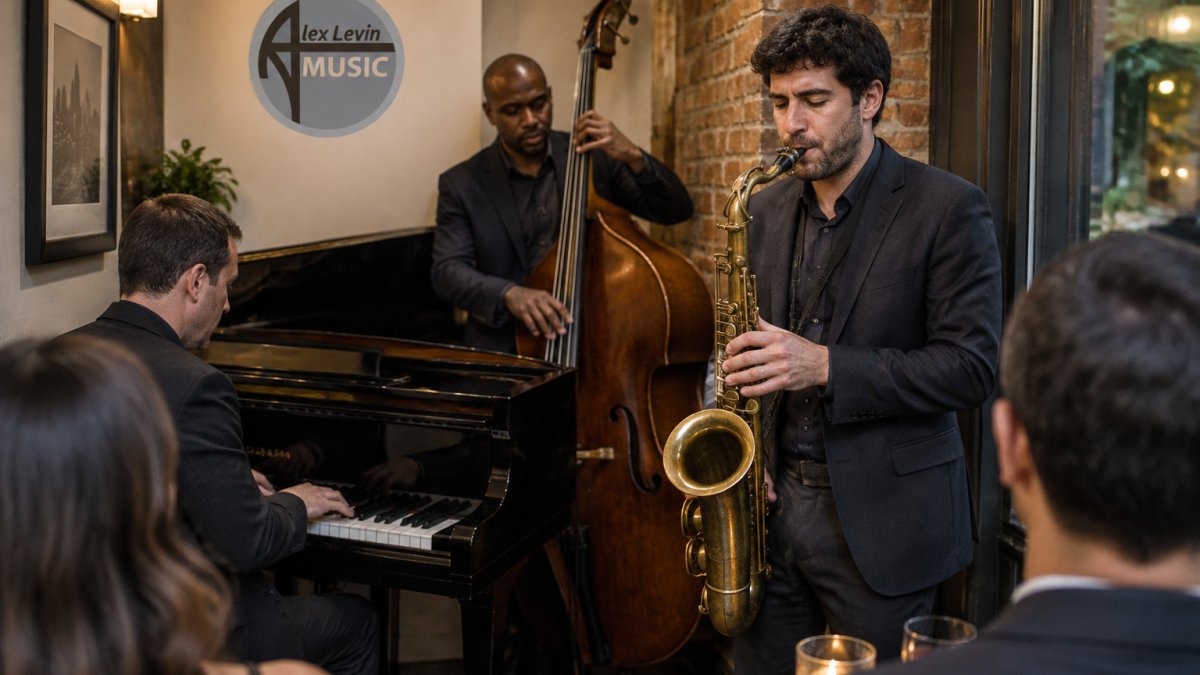
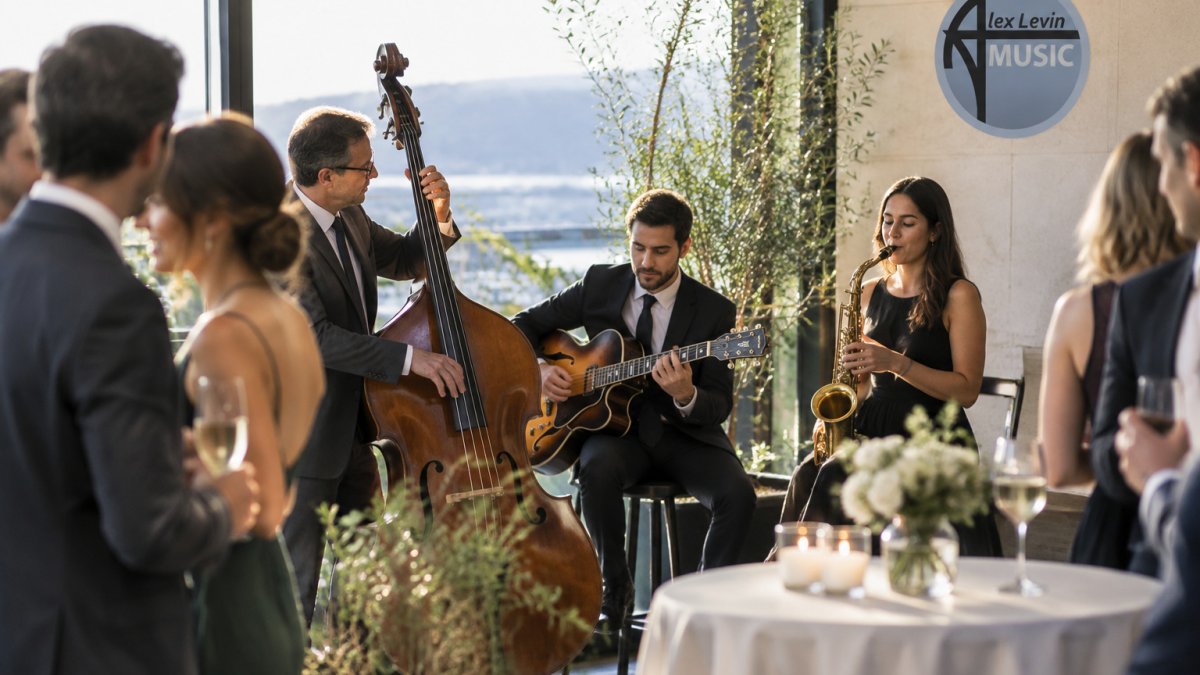
Use live music where guests are seated and attentive: the prelude, processional, couple's entrance, recessional, and cocktail hour. You can also explore our cocktail hour music offering for the pre-ceremony stretch. Use recorded music or a DJ where the room is loud and the set list needs to react to the crowd: dinner background, special dances, and open dancing.
Building a Wedding Song Checklist Template
A written checklist keeps planning organized and gives your musicians and planner something concrete to work from.
WEDDING SONG CHECKLIST
CEREMONY [ ] Prelude (guest seating): _______________ Duration: ______ [ ] Processional (wedding party): ___________ Duration: ______ [ ] Couple's entrance: _____________________ Duration: ______ [ ] Recessional: __________________________ Duration: ______
COCKTAIL HOUR [ ] Background set 1: ______________________ [ ] Background set 2: ______________________
RECEPTION [ ] Grand entrance: _______________________ [ ] First dance: __________________________ [ ] Parent dances: ________________________ [ ] Last dance: ___________________________
Planning Your Wedding Music Timeline From Booking to the Last Dance
Good wedding music depends on good timing, and the timeline should cover the whole day, not just the ceremony. Build it backward from the ceremony start time, then forward through cocktail hour, dinner, special dances, and open dancing. Share it with every music vendor and the venue coordinator so no one is guessing about the handoff.
A working full-day music timeline
A common pattern for an evening wedding: guests arrive 30 to 45 minutes before the ceremony for prelude music. The processional begins at the ceremony start time and runs 3 to 6 minutes depending on wedding party size. The couple's entrance follows, then the ceremony, then the recessional.
Reception song planning and guest experience
Reception music deserves as much planning as the ceremony. The grand entrance, first dance, parent dances, and last song each need a clear choice, and the energy should shift deliberately through the evening. Build the dance set in waves: start with songs that pull older guests to the floor, move to current hits in the middle, and save the highest-energy tracks for the final 30 minutes.
Venue rules, sound limits, and licensing
Before finalizing any song, confirm the venue's rules. Many venues set a decibel limit, require amplified music to end by a specific time, or restrict outdoor sound after a certain hour. Ask whether the venue provides a sound system or requires their preferred vendor. For recorded music at a private event, most venues and DJs handle playback rights through their own agreements, but confirm in writing who is responsible.
Technical setup and contingency planning
Assign one person to run the music and give them a printed copy of the timeline and full song list. Carry the playlist on two devices, download every track for offline playback, and bring spare cables, a backup speaker, and a charged power bank. For live musicians, confirm arrival time, setup window, and sound check slot.
Accessibility and inclusive song planning
Music choices should work for the people in the room. Ask about family traditions, cultural or religious songs that matter to parents and grandparents, and whether any guest has a sensory sensitivity that makes loud bass or sudden volume changes difficult. If a family member uses a mobility device, confirm the processional tempo gives them enough time to move comfortably.
Book Live Music That Fits Your Ceremony and Reception
Once you know the feeling you want, the moments you need covered, and whether live or recorded music suits each one, the next step is choosing performers. Alex Levin Music offers jazz trios, string quartets, swing bands, and DJs, and tailors each ensemble to the size of your event.
Work with us to share your schedule, guest count, and room layout, and we will help you find a setup that fits.
Ready to plan your music? Alex Levin Music can help you shape a ceremony and reception soundtrack around your vision. Book your live performance today and let us handle the sound so you can focus on the celebration.
Frequently Asked Questions
How do you pick your wedding songs?
Start with the meaning behind each song, then check how it fits the moment it will play. Ask whether the lyrics are appropriate for a ceremony, whether the tempo suits a walk down the aisle, and whether guests will recognize or enjoy it. Shared favorites, songs tied to your relationship, and genres that reflect both partners all make good starting points. Narrow your list to a few options per moment, then test them together at home or with your musicians before the day to confirm the length and feel work for your timeline.
How many songs do you need for a wedding ceremony?
Most ceremonies need between three and five songs: prelude music while guests arrive, a processional for the wedding party, the bridal entrance, and a recessional after the vows. Some couples add a song during the signing of the register or a short musical interlude. Plan each song's length against the walking pace of the people it accompanies, and keep a backup selection in case a segment runs longer or shorter than expected on the day.
Is live music worth it for a wedding ceremony?
Live music adds flexibility that recorded tracks cannot match. Musicians can extend or shorten a piece if the procession runs slow, respond to the room, and perform arrangements suited to your venue's size and acoustics. The added cost depends on the ensemble, the number of musicians, the event date, and the services included, so ask Alex Levin Music for a quote based on your specific plans.
What songs should be avoided at a wedding?
Avoid songs with explicit lyrics, themes of heartbreak or loss, or lyrics that could feel awkward in front of family members. Songs that have become overplayed at weddings can also feel generic, so consider alternatives that carry personal meaning. Check each track's full lyrics rather than relying on its chorus, and confirm with your musicians whether a song is practical to perform live in your venue.