The most common corporate event planning mistakes are predictable, and each one has a specific, testable fix. Budgets blow up because nobody builds in contingency or tracks ROI. Objectives stay vague instead of becoming SMART goals. Timelines start too late. Venues get booked off a photo gallery instead of a walkthrough. Vendors go unverified until a contract dispute forces the question. Nobody plans a backup for the AV system, the keynote speaker, or the weather. Day-of chaos happens because no one rehearsed. Attendee experience gets an afterthought budget line. And the event ends with no survey, no report, and no proof it worked.
Budget failure carries the highest cost. Benchmarking data on corporate conferences pegs the average spend at $1.62 million for 606 attendees, or roughly $2,731 per person. Below, each of these pitfalls gets a full breakdown with the checklist to fix it.
- Budget with no contingency or ROI tracking → build a 10 to 15% buffer and define KPIs before you spend a dollar.
- Vague objectives → replace them with SMART goals tied to the budget and agenda.
- Late-starting timeline → lock a minimum six-month runway for anything beyond a small gathering.
- Venue picked from photos → require an in-person site inspection before signing.
- Unverified vendors → confirm licensing, insurance, and references in writing.
- No backup plan → prebook alternates for weather, AV, and speaker cancellations.
- Skipped rehearsal → run a full technical rehearsal at least a day out.
- Ignored attendee experience → match programming and promotion to the actual audience.
- No post-event follow-up → send a survey within 48 hours and write a short after-action report.
Key Takeaways
Corporate events fail predictably: budget, timeline, venue, vendor, contingency, and rehearsal gaps cause nearly every visible day-of breakdown.
| Point | Details |
|---|---|
| Budget with contingency | Build a 10 to 15% buffer and track two or three ROI/ROO KPIs from day one. |
| SMART goals first | Write specific, measurable objectives before booking any venue or vendor. |
| Six-month minimum runway | Start major event planning at least six months out to avoid rushed tradeoffs. |
| Verify before you sign | Confirm vendor references, insurance, and registration to avoid fraud and no-shows. |
| Rehearse the run sheet | Test AV, signage, and speaker transitions a full day before the event, not the morning of. |
| Specialist entertainment reduces risk | Alex Levin Music builds soundcheck timing and technical cue coordination into corporate bookings. |
Table of Contents
- Neglecting the Budget and ROI Is the Costliest of All Corporate Event Planning Mistakes
- Failing to Set SMART Goals Before You Book Anything
- Underestimating the Planning Timeline Forces Bad Decisions Later
- Skipping the Site Inspection Is How Venue Surprises Happen
- Weak Vendor Vetting Opens the Door to Fraud and No-Shows
- No Contingency Plan Turns a Small Problem Into a Public One
- Skipping the Day-Of Checklist and Rehearsal Invites Visible Failure
- Ignoring Attendee Experience Undercuts Everything Else You Built
- Skipping Post-Event Feedback Wastes Everything You Just Spent
- What Live Music Reveals About the Gaps in Most Event Plans
- Six Things I'd Check Before Any Corporate Event Goes Live
- Why Entertainment Logistics Are Worth Outsourcing to a Specialist
- Frequently Asked Questions
- Sources
Neglecting the Budget and ROI Is the Costliest of All Corporate Event Planning Mistakes
Cost overruns rarely come from one big line item. They come from AV overtime fees, last-minute shipping charges, and vendor change orders nobody flagged in advance. A budget with no contingency treats every one of those as a crisis instead of a rounding error.
Build a working budget with a 10 to 15% contingency line and pair it with two or three measurable ROI or ROO indicators (leads generated, attendee satisfaction score, cost per engaged attendee). Reconcile spend weekly, not at the end.
- Require staged vendor payments tied to deliverables, not deposits paid in full upfront.
- Put a single budget owner's name on every line item.
- Log every change order the moment it happens, with a dollar figure attached.
Pro Tip: Ask every vendor for a "not to exceed" clause in writing. It stops scope creep from becoming a surprise invoice.
Failing to Set SMART Goals Before You Book Anything
An event built around "increase engagement" has no way to measure success and no way to guide venue or vendor choices. SMART goals (specific, measurable, achievable, relevant, time-bound) fix that before a single booking happens.
- Specific: name the outcome. "Generate 150 qualified leads from the product showcase," not "boost brand awareness."
- Measurable: attach a number to it. Registration count, survey score, follow-up meetings booked.
- Achievable: cross-check the goal against your actual budget and headcount, not last year's aspiration.
- Relevant: tie the goal to a business priority a stakeholder already cares about.
- Time-bound: set the measurement window (30, 60, or 90 days post-event).
Drop that five-line template straight into your RFP and every vendor proposal gets sharper.
Underestimating the Planning Timeline Forces Bad Decisions Later
Compressed timelines are one of the most common event planning errors because they force every later decision to be a compromise. Experts generally recommend starting at least six months out for most corporate gatherings, longer for a major conference, and no less than eight to ten weeks even for a smaller one-day offsite.
- Six months+ out: finalize objectives, issue RFPs, and shortlist venues.
- Three to four months out: sign vendor contracts and confirm speakers.
- Six to eight weeks out: launch marketing and open registration.
- Two weeks out: run AV and site tests.
- One to two days out: hold the full technical rehearsal.
Assign an owner to each milestone by name, not by department. Milestones without owners slip.
Skipping the Site Inspection Is How Venue Surprises Happen
Photos and virtual tours hide the details that actually break an event: outlets in the wrong wall, a loading dock that doesn't fit your truck, acoustics that turn a keynote into an echo chamber. A one-hour walkthrough surfaces problems a listing never will.
- Count power drops near the stage and confirm amperage, not just outlet location.
- Walk the load-in path with a tape measure if you're bringing large equipment or a full band setup.
- Test the room's acoustics at full expected capacity, since empty rooms sound nothing like full ones.
- Check accessibility routes for wheelchairs, service animals, and elevator capacity during peak flow.
Pro Tip: Push for a contract clause that puts technical readiness, power capacity included, on the venue rather than leaving it as your problem to discover on event day.
Weak Vendor Vetting Opens the Door to Fraud and No-Shows
Vendor fraud isn't rare anymore. One widely discussed case involved a planner defrauded after three months of coordination with a vendor who never existed as claimed. Verification isn't optional paperwork; it's risk management.
- Call vendors directly using a number you find independently, not one they provide in an email.
- Ask for two verifiable references from events in the last 12 months.
- Confirm business registration and request a current certificate of insurance before signing anything.
- Build vendor selection guidance into your RFP process, including deposit limits, cancellation fees, and service-level terms.
- Escalate immediately if a vendor refuses a reference check or pushes for full payment upfront.
No Contingency Plan Turns a Small Problem Into a Public One
Weather delays, AV failures, and speaker cancellations are common enough that "we'll figure it out" isn't a plan. The fix is prebooking your outs before you need them.
- Reserve a backup indoor space or tent option for any outdoor component.
- Keep a spare microphone, HDMI adapter, and laptop charger on-site regardless of venue AV promises.
- Line up a secondary speaker or pre-recorded backup content for any single-point-of-failure presenter.
- Budget contingency lines for each of these, not just a general buffer.
- Draft a one-paragraph stakeholder update template in advance so a delay doesn't turn into a scramble for words.
Skipping the Day-Of Checklist and Rehearsal Invites Visible Failure
A run sheet with named owners and specific time windows prevents most of the confusion that attendees actually notice. Industry guidance suggests distributing and rehearsing that sheet at least a full day before the event, not the morning of.
- Confirm every vendor, speaker, and staff arrival time the day before, by phone, not email.
- Run a full AV test in the actual room, at the actual volume, with the actual microphone.
- Walk signage and wayfinding as if you were a first-time attendee.
- Assign a single point of contact for each zone (registration, stage, catering) with a radio or phone.
- Rehearse speaker transitions and entertainment cues together, not as separate blocks.
Ignoring Attendee Experience Undercuts Everything Else You Built
An agenda built for the wrong audience fails no matter how well the AV works. Match session length and format to who's actually in the room: a technical team wants workshops, a sales team wants competition and energy, executives want efficient, high-value content.
- Build in real breaks, not five-minute buffers between back-to-back sessions.
- Design at least one low-pressure networking window with a clear prompt, not an open bar and silence.
- Promote through the channels your specific audience actually uses, not a generic company-wide blast.
- Keep registration to one form and under two minutes, since friction here kills attendance before the event even starts.
Skipping Post-Event Feedback Wastes Everything You Just Spent
An event with no follow-up produces no proof of value and no lessons for next time. Send a short survey within 48 hours while the experience is still fresh, and keep it under five questions.
- Track two or three KPIs tied to your original SMART goals: leads generated, satisfaction score, or attendance rate against registration.
- Mix a rating scale question with one open-ended "what would you change" prompt for real signal.
- Draft a one-page after-action report within a week, covering what worked, what broke, and one specific fix for next time.
- Share that report with the budget owner and stakeholders, not just the planning team.
What Live Music Reveals About the Gaps in Most Event Plans
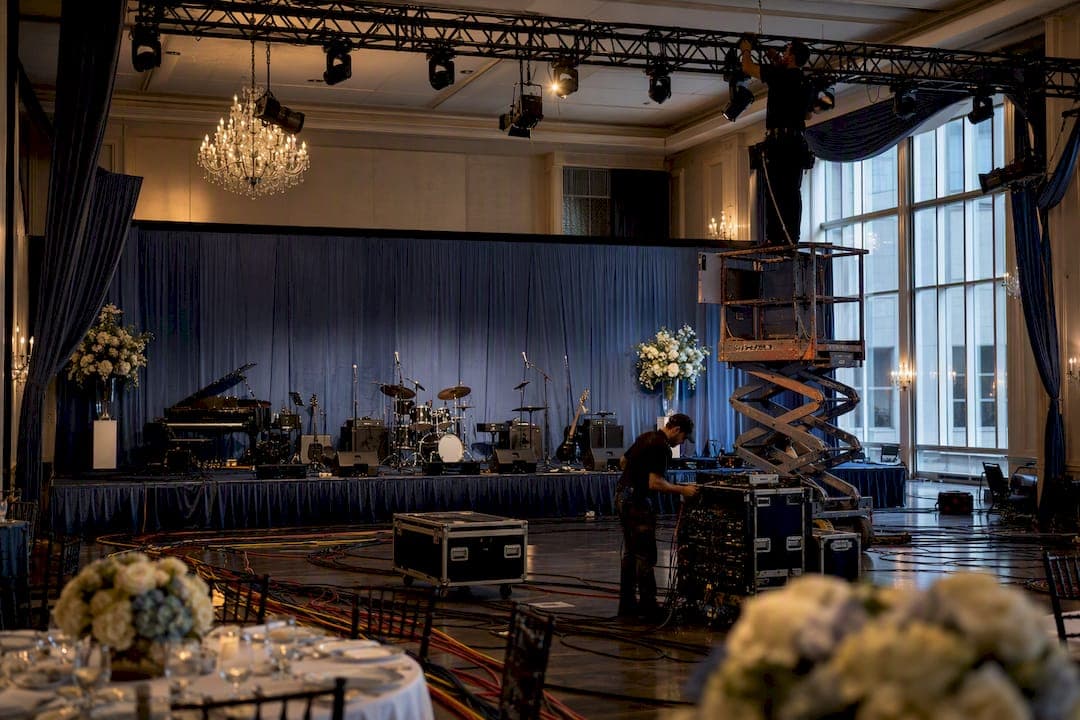
Live entertainment exposes planning gaps faster than almost any other event element, because a missed cable or a five-minute-late soundcheck is instantly visible to every attendee in the room. Hidden technical constraints, stage power capacity, amplifier headroom, rigging points, are frequent causes of last-minute changes, and they rarely show up until someone tests them on-site.
- Confirm dedicated power circuits for the stage separate from catering and lighting.
- Schedule a soundcheck window of at least 30 to 45 minutes, not a rushed 10-minute pass.
- Brief entertainers with a written cue sheet showing exact transition points between speakers, breaks, and performance sets.
- Walk the stage plot in person to confirm cabling paths don't cross foot traffic or fire exits.
- Build in a five-minute buffer between the final speaker and the first musical cue so transitions don't feel rushed.
Planners who brief musicians properly ahead of time avoid the single most common live-entertainment failure: an act that's technically ready but has no idea what's happening around it. A thorough soundcheck run early, not squeezed in during doors-open, catches most of these problems before a single guest arrives.
Six Things I'd Check Before Any Corporate Event Goes Live
If I only had thirty minutes before a planning meeting, here's the audit I'd run: SMART goals written down, not implied. A named budget owner. Core vendors locked and verified. A site visit already done, not scheduled for "sometime." A full tech rehearsal on the calendar. A post-event survey date set before the event, not after.

Escalate to senior stakeholders the moment any of those six is missing two weeks out. That's the threshold where a gap stops being a task and starts being a risk.
Why Entertainment Logistics Are Worth Outsourcing to a Specialist
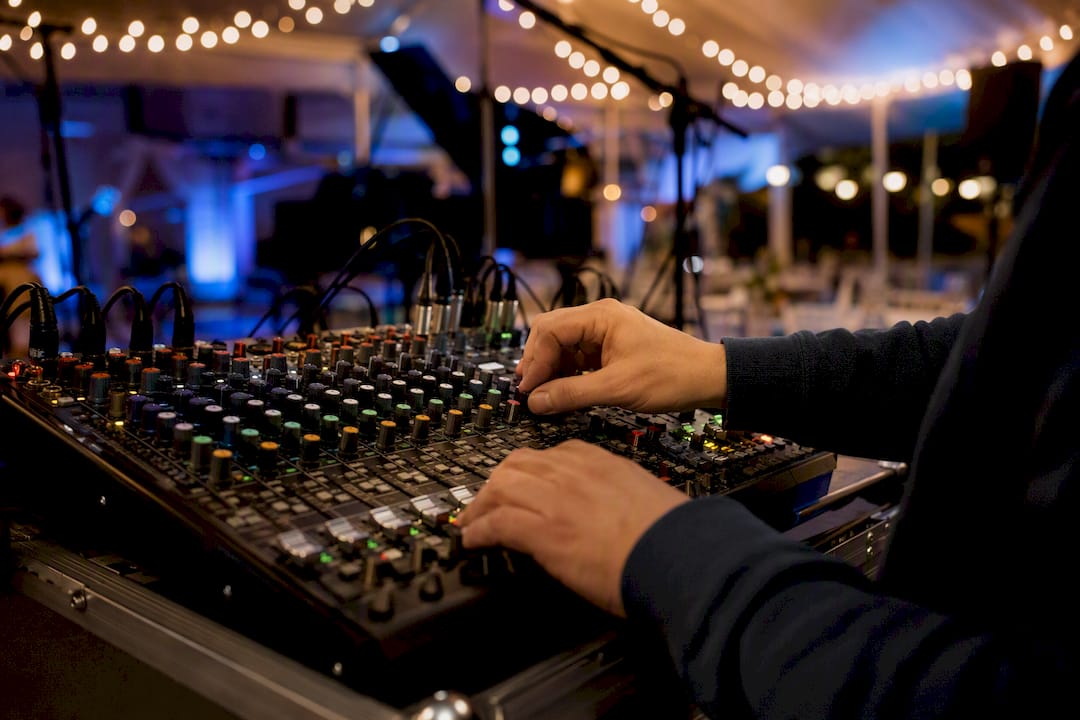
Sound, timing, and transitions are exactly the kind of detail that breaks visibly when a planning team is already stretched thin managing catering, registration, and a dozen vendors at once. Alex Levin Music removes that specific risk instead of adding one more vendor relationship to manage: soundcheck scheduling, stage power requirements, and cue-sheet coordination come built into the booking, not bolted on after a contract is signed.
The offering covers jazz trios, string quartets, solo piano, and DJ or hybrid DJ/live setups, each customizable to your event's tone and audience, with corporate event entertainment packages built specifically around the technical handoffs that usually go wrong. Planners can request a sample technical rider or run-through ahead of booking to confirm power, staging, and transition timing before it becomes a day-of surprise. If live music is part of your next event, start with the corporate event planning services page to check availability and get a quote for your date.
Frequently Asked Questions
What is the single most common corporate event planning mistake? Neglecting the budget, specifically skipping a contingency line and ROI tracking, causes the most expensive failures, since even small miscalculations compound fast on events averaging $2,731 per attendee.
How far in advance should corporate event planning start? A minimum of six months for most corporate gatherings, longer for large conferences and shorter only for small one-day offsites with a simplified scope.
What should a venue site inspection actually check? Power capacity near the stage, load-in access, acoustics at full capacity, and accessibility routes, none of which a photo or virtual tour reliably shows.
How do you vet an event vendor to avoid fraud? Call the vendor directly using an independently sourced phone number, request two recent references, and confirm insurance and business registration before signing a contract.
What belongs on a day-of event checklist? Confirmed arrival times, a full AV test in the actual room, signage walkthroughs, named zone owners, and a rehearsed run sheet distributed at least a day ahead.
Sources
- Budget benchmarking data for your 2025 conferences
- 9 Common Mistakes to Sidestep When Planning Corporate Events