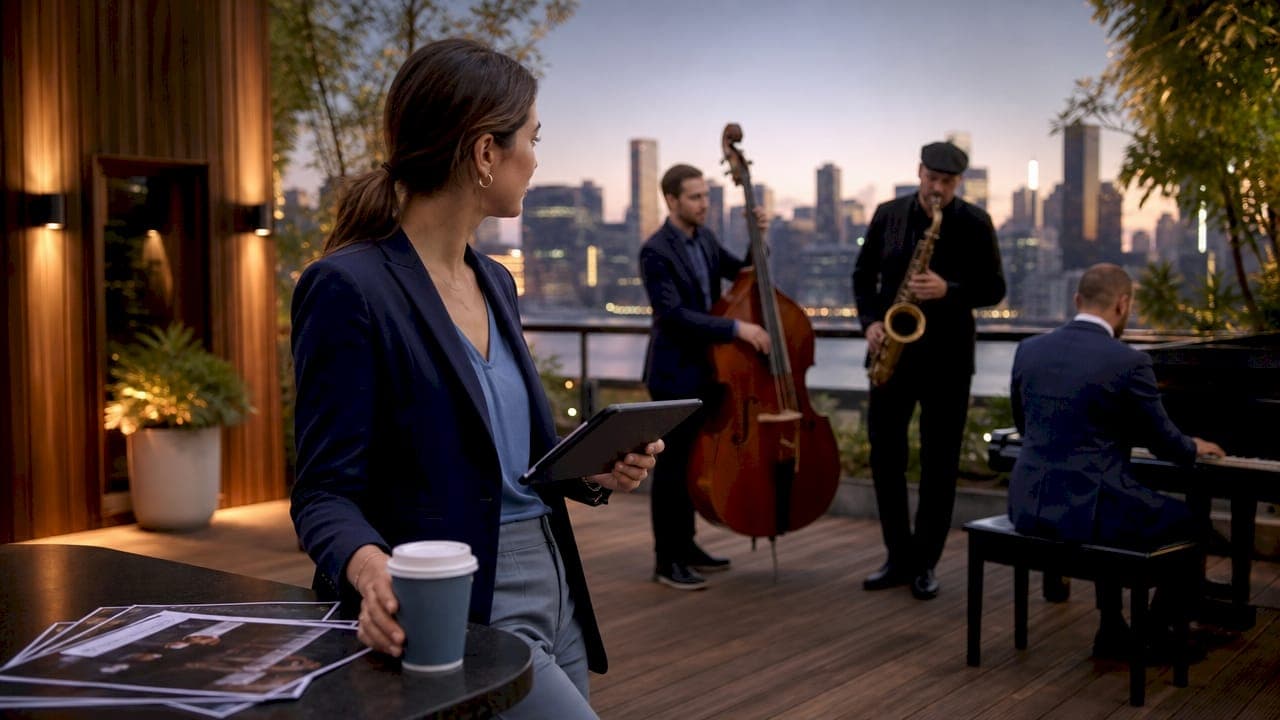
Live music at corporate events is the single most effective tool for transforming a routine gathering into a genuinely memorable experience. Recorded playlists fill silence. Live performers fill rooms with energy, presence, and a shared emotional current that no speaker or playlist can replicate. Research from neuroscience and event industry analysis confirms that live music triggers deeper brain engagement, lowers social barriers, and creates the kind of collective atmosphere where real networking happens. If you are planning a corporate event and treating music as an afterthought, you are leaving your most powerful engagement tool on the table.
Why live music at corporate events drives deeper engagement
The science behind live music's impact on audiences is more specific than most event planners realize. A 2026 EEG study published in PubMed found that live performances trigger significantly higher neural-acoustic phase-locking than recorded tracks. This biological marker of engagement means attendees' brains are literally synchronizing with the music and with each other, creating a shared neurological experience that a Spotify playlist simply cannot produce.
This phenomenon connects directly to what University at Buffalo researchers call "collective effervescence." Their research shows that live music promotes social bonding by generating a shared emotional state that elevates well-being and strengthens memory retention long after the event ends. Think of it as the difference between watching a game on television alone and being in the stadium with 60,000 people. The content is identical, but the experience is categorically different.
"Collective effervescence explains why people feel connected and uplifted at live music events, leading to lasting well-being." — University at Buffalo research, 2026
For corporate event planners, this matters because attendee memory is the metric that determines whether your event generates lasting business value. Guests who leave with a strong emotional memory of your event associate that feeling with your brand, your team, and the relationships they formed in the room. Live music is the mechanism that creates that memory.
How live music shapes trust and emotional tone
Most event planners spend hours on catering menus, venue lighting, and speaker lineups. Music, if it appears on the planning checklist at all, often gets resolved with a streaming service subscription. This is a strategic mistake. Industry analysis from The Drum identifies music as the "invisible force" that moderates event emotional tone and attendee openness in real time. Brands invest heavily in visual identity at events but routinely overlook the one sensory element that shapes how guests feel from the moment they walk in.
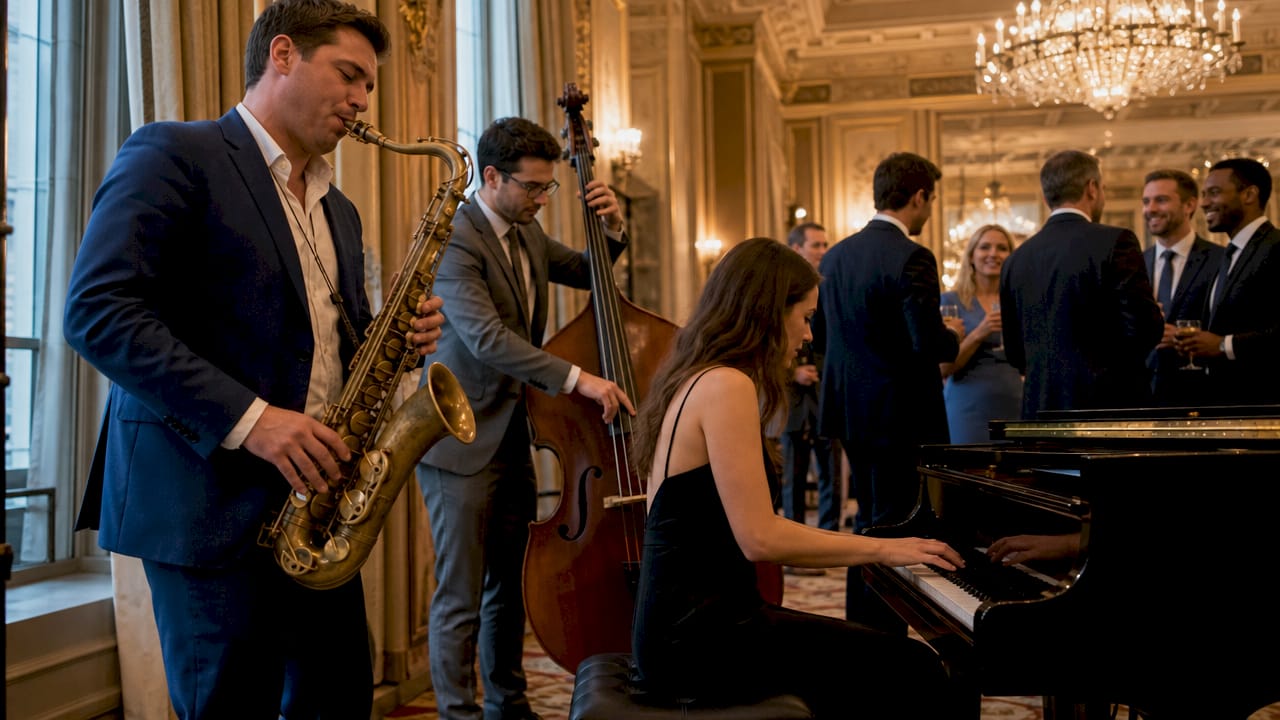
Live music's advantage over recorded tracks in this context comes down to responsiveness. A skilled jazz trio or string quartet reads the room. They slow the tempo when conversation needs space. They lift the energy when the room goes flat. A playlist cannot do that. This real-time emotional calibration is what shapes attendee trust and makes professional networking feel natural rather than transactional.
The specific benefits of live music for trust and connection in B2B settings include:
- Reduced social friction. Music lowers the psychological cost of approaching a stranger. Guests have an immediate shared reference point, which makes opening a conversation easier.
- Positive brand association. Attendees connect the quality of the entertainment to the quality of the host organization. A polished live performance signals investment and professionalism.
- Sustained energy management. Live performers adjust pacing across an event's arc, keeping energy high during cocktail hours and dialing back during dinner without a single manual intervention from your team.
- Authentic atmosphere. Live music signals that the event was designed for people, not just scheduled for logistics. That distinction registers immediately with experienced professionals.
Pro Tip: Brief your musicians on the event's agenda before they perform. A jazz ensemble that knows dinner service starts at 7:30 PM can naturally shift from upbeat cocktail-hour standards to softer, conversational background music without any cue from your team.
Live music vs. recorded playlists: which actually works better?
The comparison between live music and recorded playlists at corporate events is not close once you examine the evidence. Studies confirm that live music attendees report greater emotional arousal and physiological response than those experiencing streamed or recorded performances. The presence of a performer changes the psychological contract between the audience and the entertainment. People pay attention differently when a human being is creating the sound in real time.
| Factor | Live music | Recorded playlist |
|---|---|---|
| Emotional engagement | High. Neural synchronization and shared arousal. | Low. Passive background noise. |
| Real-time adaptability | Yes. Performers read and respond to the room. | No. Fixed sequence regardless of atmosphere. |
| Networking catalyst | Strong. Shared live experience opens conversation. | Weak. No shared focal point for guests. |
| Brand perception | Premium. Signals investment and quality. | Neutral to negative. Feels like minimum effort. |
| Memory retention | High. Emotional peaks anchor long-term recall. | Low. Forgettable within days. |
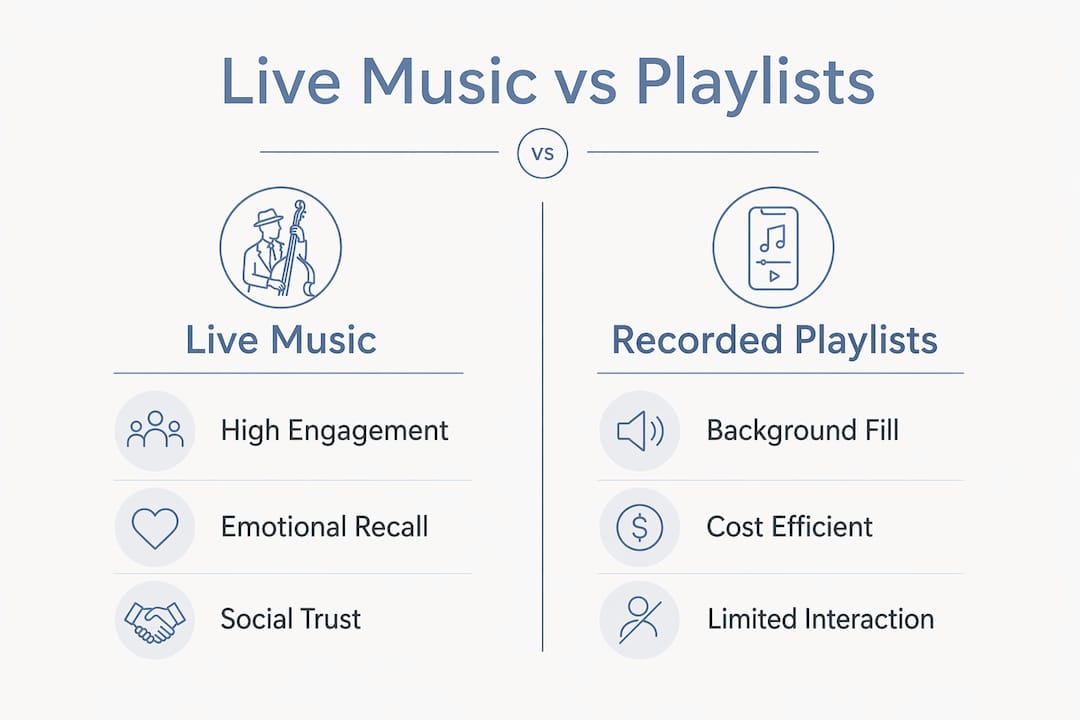
Recorded music is not without value. It works well for background fill during registration or breaks when budget or space constraints make live performance impractical. But for the core event experience, particularly cocktail hours, dinners, and networking receptions, a live act delivers measurably better outcomes. Live music creates a relaxed, conversational ambience that drives attendee interaction in ways a playlist never will.
The memory retention point deserves particular emphasis. Research confirms that live performances enhance emotional recall more than recorded music. In corporate event terms, this means your guests are more likely to remember the conversations they had, the people they met, and the brand that hosted them. That is the return on investment that justifies the budget difference between a Spotify account and a professional ensemble.
How to integrate live music into your corporate event planning
Effective integration of live music into a corporate event requires more than booking a band and pointing them toward a corner of the room. The format, timing, and style of the performance all determine whether music amplifies your event or competes with it.
-
Match the ensemble to the event size and format. A solo pianist works beautifully for an intimate executive dinner of 20 people. A jazz trio suits cocktail receptions of 50 to 150 guests. Larger galas or award ceremonies may call for a full band or a DJ paired with live instrumentalists. Selecting the right jazz ensemble format is the first decision that shapes everything else.
-
Schedule music around your program, not alongside it. Live music during a keynote speech is a distraction. Live music during cocktail hour is an asset. Map your event timeline and identify the windows where music will enhance rather than compete with other programming.
-
Align musical style with your audience demographics. A technology company's annual client reception has different expectations than a financial services firm's holiday gala. Jazz and swing standards read as sophisticated and universally accessible. Consider your guest profile before committing to a genre.
-
Communicate your event goals to the performers. Professional musicians who specialize in corporate events know how to strike the right tone between formal and engaging. Share your agenda, your audience, and your brand values before the event. The best performers treat this briefing as essential, not optional.
-
Plan for sound logistics early. Venue acoustics, room layout, and sound equipment requirements need to be confirmed weeks before the event, not the day before. A live performance that is too loud for conversation defeats its own purpose.
Pro Tip: Ask your musicians for a set list in advance and review it against your event's tone. A corporate event is not a concert. The goal is music that enhances conversation, not music that demands attention.
Using live music as strategic infrastructure rather than decoration is the mindset shift that separates good corporate events from genuinely memorable ones. Shared experiences like live performances, and even complementary activities like team-building events, reinforce the social bonds that make professional gatherings worth attending.
Key takeaways
Live music at corporate events is a neurologically and socially proven tool for driving attendee engagement, trust, and lasting memory, making it a strategic investment rather than a discretionary expense.
| Point | Details |
|---|---|
| Neural engagement is measurable | Live music triggers brain synchronization that recorded tracks cannot replicate, per 2026 EEG research. |
| Collective effervescence drives bonding | Shared live music experiences create lasting well-being and social connection among attendees. |
| Music shapes trust in real time | Live performers read the room and adjust emotional tone, lowering social barriers for networking. |
| Live outperforms playlists on every metric | Engagement, adaptability, brand perception, and memory retention all favor live performance. |
| Integration requires deliberate planning | Match ensemble size, style, and scheduling to your event format and audience for maximum impact. |
What I've learned after years of performing at corporate events
After performing at hundreds of corporate events across Philadelphia, New York, and beyond, I can tell you the difference between a room with live music and a room without it is not subtle. You feel it within the first ten minutes. Guests arrive, hear something real happening in the room, and their posture changes. They slow down. They look around. They start talking.
The events where I have seen the most genuine networking happen are never the ones with the most elaborate catering or the most impressive venue. They are the ones where the music was treated as part of the design, not an add-on. When a client tells me what they want their guests to feel, I can build a set that moves the room through that arc. That is something no algorithm does.
The mistake I see most often is planners booking music too late in the process, after the budget has been allocated to everything else. Music is not a finishing touch. It is the emotional infrastructure of your event. The guests who leave saying "that was a great event" are almost always the ones who spent the evening in a room where the music made conversation feel effortless. That is not an accident. It is the result of treating live performance as a core element from the first planning meeting.
If you take one thing from this article, let it be this: your attendees will forget the centerpieces. They will not forget how the room felt.
— Alex
Bring your next corporate event to life with Alexlevinmusic
Alexlevinmusic specializes in live corporate event entertainment across Philadelphia, New York, and surrounding areas, with ensembles ranging from solo piano and jazz trios to string quartets and full DJ services. Every performance is tailored to your event's tone, audience, and agenda. Whether you are planning an intimate executive dinner or a large-scale gala, the right live music transforms the atmosphere from the moment guests arrive. Explore the full range of corporate entertainment options, or read through the 10 reasons live music delivers results that recorded music cannot match.
FAQ
Why does live music work better than a playlist at corporate events?
Live music triggers measurably higher neural engagement and emotional arousal than recorded tracks, according to 2026 EEG research. Performers also adapt in real time to the room's energy, something a fixed playlist cannot do.
How does live music help with networking at corporate events?
Live music creates a shared emotional experience that lowers social barriers, giving guests a natural conversation starter and a relaxed atmosphere where professional connections form more easily.
What type of live music is best for a corporate event?
Jazz, swing, and acoustic ensembles are the most versatile choices for corporate settings because they read as sophisticated without overwhelming conversation. The right format depends on event size, from solo piano for intimate dinners to a jazz trio for larger receptions.
When in the event program should live music be scheduled?
Live music performs best during cocktail hours, networking receptions, and dinners. It should not run concurrently with keynote speeches or formal presentations, where it competes with the primary content.
Does live music at corporate events justify the added cost?
Research confirms that live performances produce higher memory retention and positive emotional recall than recorded music. Guests associate the quality of the entertainment with the quality of the host organization, making live music a direct investment in brand perception and event ROI.
Recommended
- 10 Reasons Why Live Music Is Essential Corporate Events | Alex Levin Music | Live Wedding Music Philadelphia | Live Event Music Philadelphia
- Music For Corporate Event | DJ Services | Professional Band
- Why Live Music Is Always Better Than a Playlist for Weddings and Events | Alex Levin Music | Live Wedding Music New York & Philadelphia | Live Event Music New York & Philadelphia