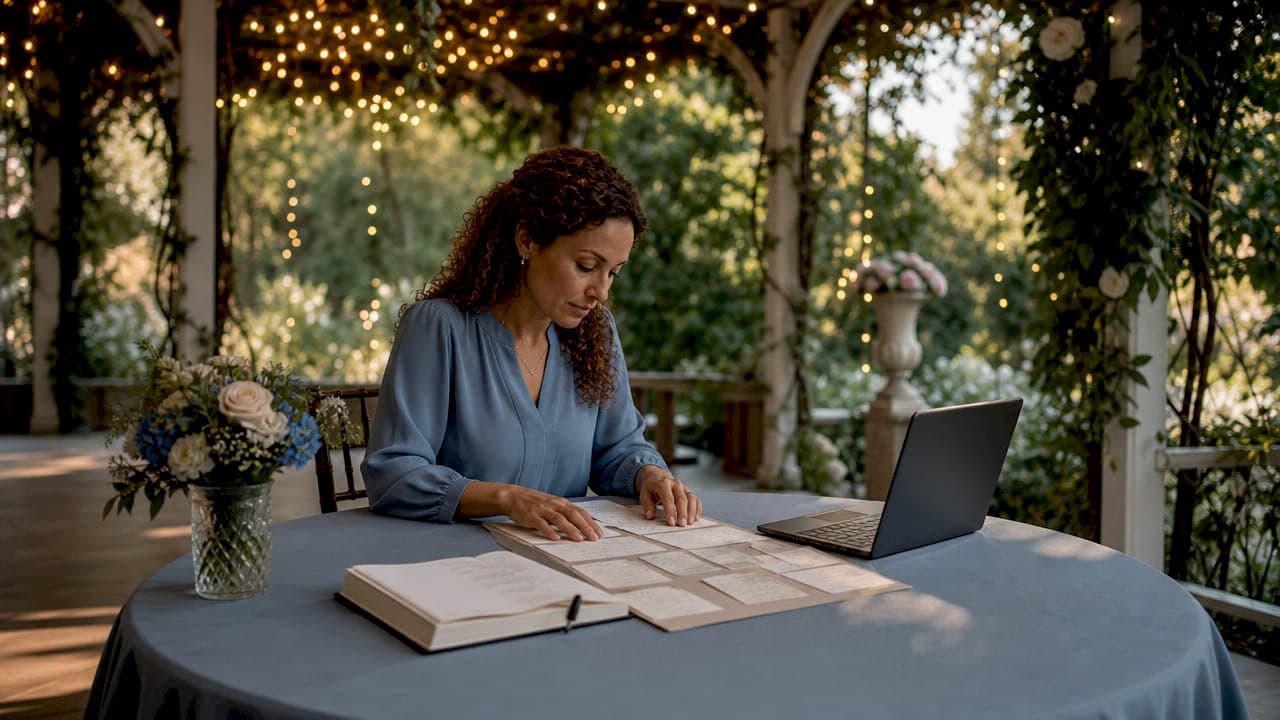
Wedding dinner music is the carefully curated background music played during the reception meal, designed to create a warm, sociable atmosphere while guests eat, drink, and connect. It sits in a distinct category from ceremony music and dance floor sets. Most couples underestimate its power. Get it right, and your guests relax into the evening naturally. Get it wrong, and the room feels either like a waiting room or a nightclub before anyone is ready.
A well-built wedding dinner playlist improves the overall guest experience by encouraging conversation and comfortable mingling. The industry term for this category is reception background music, though "dinner music" is the phrase most couples and planners use in practice. Both refer to the same function: sound that supports the room without commanding it.
What is dinner music at a wedding, and why does it matter?
Dinner music at a wedding is background music played specifically during the seated meal portion of the reception, typically running 60 to 90 minutes. Its job is not to entertain in the foreground. Its job is to fill silence, set emotional tone, and keep energy at a level where guests can hear each other across the table without raising their voices.
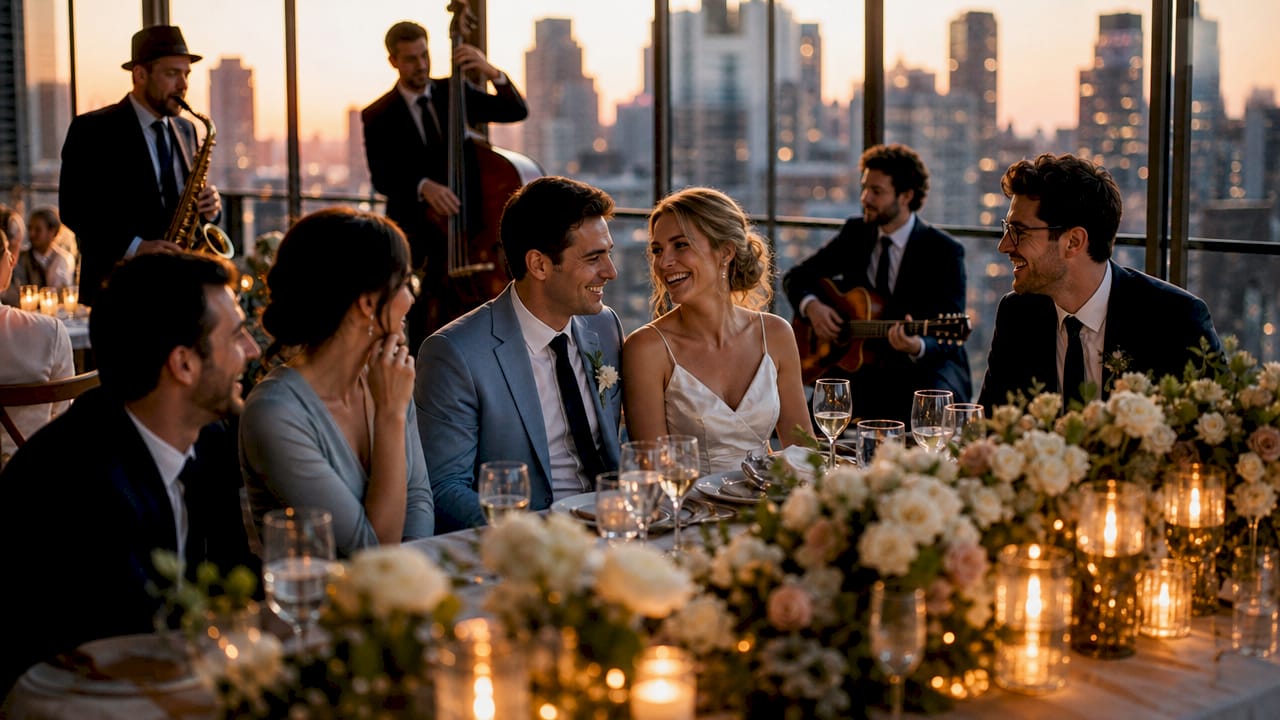
Dinner music sets the tone for guest interaction and shapes the entire meal experience. That means the wrong volume or tempo can actively work against you. Music that is too loud forces guests to shout. Music that is too slow or too sparse makes the room feel heavy. The goal is warmth without weight.
This phase of the reception also carries emotional significance. Dinner is when guests settle in, when toasts happen, and when the couple often moves table to table. The music underneath all of that needs to feel intentional, not like a Spotify radio station someone forgot to turn off.
What genres work best for wedding dinner music?
Popular genres for wedding dinner music include jazz, lounge, acoustic covers, soft pop, and classical music, all chosen for their elegance and ability to support conversation. Each genre brings a different texture to the room, and the right choice depends entirely on the couple's personality and the overall tone of the reception.
Here is how each genre functions in practice:
- Jazz and swing: Standards by artists like Frank Sinatra, Ella Fitzgerald, or Norah Jones create a sophisticated, timeless feel. A jazz trio or curated jazz playlist signals that the evening is celebratory but refined.
- Acoustic covers: Stripped-down versions of familiar pop songs, think acoustic renditions of John Legend's "All of Me" or Ed Sheeran's "Thinking Out Loud," give guests something recognizable without the energy spike of the original production.
- Soft pop and indie folk: Artists like Bon Iver, Iron and Wine, or Feist work well for couples who want something contemporary but understated.
- Classical and string arrangements: Bach, Debussy, or modern string quartet arrangements of popular songs add formality and work particularly well for traditional or black-tie receptions.
- Chill electronic and lounge: Artists like Bonobo or Zero 7 suit modern, minimalist wedding aesthetics and pair well with industrial or garden venues.
Acoustic covers and jazz add sophistication and a personal feel that generic radio tracks simply cannot replicate. The goal is music that sounds like a deliberate choice, not a default.
Pro Tip: Build your dinner playlist around two or three anchor artists whose catalog you both love, then fill in with similar artists. This gives the playlist a coherent identity instead of a random mix.
How to build the perfect wedding dinner playlist
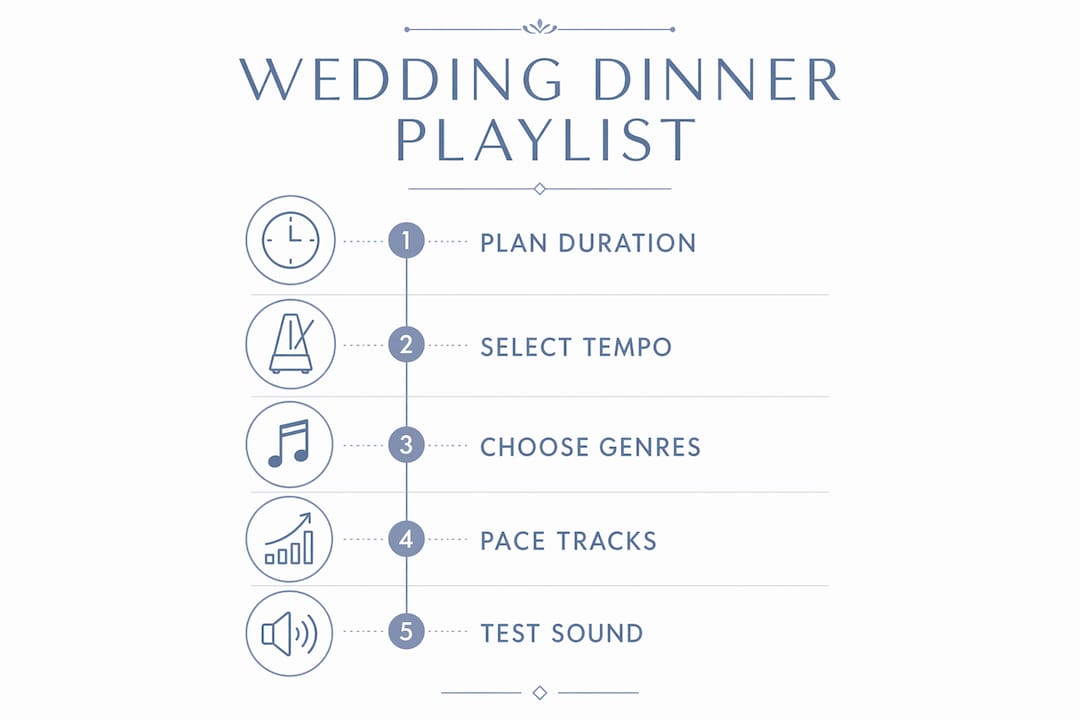
A dinner playlist typically runs 20 to 25 songs to cover 60 to 90 minutes of service without repetition. That number is more specific than most couples expect, and it matters. Too few songs and you loop. Too many and you lose the thread of the mood you built.
Tempo is the most overlooked variable in playlist construction. Music at 70 to 90 BPM keeps energy warm and relaxed without tipping into sleepy or stagnant. Songs above 100 BPM start to feel urgent. Songs below 60 BPM can make the room feel like a memorial service. Staying in that 70 to 90 BPM window is the single most effective technical decision you can make for dinner music.
Pacing within the playlist matters just as much as individual song selection. One slow song per four to five upbeat tracks prevents energy from waning or tipping into melancholy. This ratio keeps the room feeling alive without pushing guests toward the dance floor before dinner is finished.
| Element | Guideline | Why it matters |
|---|---|---|
| Playlist duration | 60 to 90 minutes | Covers full dinner service without repeating |
| Song count | 20 to 25 songs | Prevents loops and maintains variety |
| Tempo range | 70 to 90 BPM | Keeps energy warm without being distracting |
| Slow to upbeat ratio | 1 slow per 4 to 5 tracks | Balances mood without draining energy |
| Volume level | Conversational, not ambient | Guests should hear each other without effort |
Downloading tracks for offline playback and testing volume at the farthest seats in the room prevents the two most common technical failures: Wi-Fi dropouts and uneven sound coverage. Venue Wi-Fi is unreliable. Streaming during dinner is a risk you do not need to take.
Pro Tip: Test your playlist at the actual venue during setup, not just through headphones at home. Room acoustics change everything, and what sounds balanced on your laptop can feel overwhelming in a high-ceilinged ballroom.
How dinner music fits into the full reception timeline
Dinner music does not exist in isolation. It connects directly to the cocktail hour that precedes it and the speeches and dancing that follow. Understanding that connection is what separates a thoughtful music plan from a disconnected playlist dump.
The music planning from dinner to dancing requires deliberate sequencing across each reception phase. Cocktail hour music typically runs slightly more upbeat and social, setting a festive tone as guests arrive and mingle. Dinner music then steps down in energy, creating a natural exhale after the ceremony and cocktail hour excitement. This progression feels organic to guests even if they never consciously notice it.
Here is how the music phases typically map across a standard reception timeline:
| Reception phase | Music style | Energy level |
|---|---|---|
| Cocktail hour | Jazz, upbeat acoustic, light swing | Medium to medium-high |
| Dinner service | Soft jazz, acoustic covers, classical | Low to medium |
| Speeches and toasts | Paused or very soft background | Minimal |
| First dance and parent dances | Romantic ballads, curated selections | Medium |
| Open dancing | Upbeat pop, funk, dance classics | High |
Dinner is also the ideal moment for what experienced DJs call "emotional real estate" songs. Romantic, meaningful tracks that would feel out of place on a dance floor belong here. A song like "La Vie en Rose" by Édith Piaf or "At Last" by Etta James lands with far more weight during a quiet dinner than it ever could over a packed dance floor. Use that window intentionally.
The transition out of dinner music matters too. Ending the dinner set with a song that has slightly more energy than the rest signals to guests that the pace of the evening is about to shift. It is a subtle cue, but it works.
Live music versus a playlist for wedding dinner: which is right for you?
The decision between live musicians and a recorded playlist for dinner music comes down to budget, atmosphere goals, and how much personalization you want. Both options work. Neither is automatically superior. But they deliver very different experiences.
Live music offers energy, adaptability, and personal touches that a fixed playlist cannot replicate. A jazz trio can read the room and slow down if guests seem deep in conversation, or add a little swing if energy starts to build. Live musicians also create a visual focal point that adds to the overall atmosphere of the room.
Benefits of live music for wedding dinner:
- Responds to the room's mood in real time
- Creates a memorable, one-of-a-kind atmosphere
- Adds visual elegance, especially with a jazz trio, string quartet, or solo pianist
- Allows for spontaneous personalization, such as playing a song meaningful to the couple on request
Benefits of a curated playlist:
- Full control over every song and transition
- More cost-effective than hiring live musicians
- Access to a wider range of genres and artists
- No risk of a musician having an off night
Live musicians can personalize arrangements spontaneously and respond to crowd mood in ways a fixed playlist never can. That adaptability is the core argument for live music at dinner. The core argument for a playlist is control and budget.
Pro Tip: If budget is a constraint, consider live music for cocktail hour only and a carefully curated playlist for dinner. You get the live music impact during the social peak of the evening and full control during the meal.
Key takeaways
Wedding dinner music works best when it is intentional, tempo-controlled, and reflective of the couple's personality rather than a generic background filler.
| Point | Details |
|---|---|
| Define the function first | Dinner music supports conversation and sets emotional tone, not entertainment in the foreground. |
| Build to the right length | Aim for 20 to 25 songs covering 60 to 90 minutes to avoid repetition and maintain variety. |
| Control tempo deliberately | Stay in the 70 to 90 BPM range to keep energy warm without pushing guests toward the dance floor. |
| Use dinner for emotional songs | Romantic, meaningful tracks land harder during dinner than they ever will on the dance floor. |
| Choose live or playlist strategically | Live music adapts to the room; a playlist gives full control. Match the choice to your priorities and budget. |
What I've learned after years of playing wedding dinners
After performing at hundreds of weddings across Philadelphia, New York, and beyond, the most consistent mistake I see couples make is treating dinner music as an afterthought. They spend weeks on the first dance song and ten minutes on the dinner playlist. The dinner set is actually where guests form their first impression of the reception's overall tone.
Volume is the variable that breaks dinner music more than any song choice. I have walked into venues where the dinner music was technically perfect on paper but set at a level that forced guests to lean across the table to hear each other. The music was not the problem. The volume was. Always test at the farthest seat in the room, not just near the speakers.
The other thing I push back on is the instinct to play it completely safe. "Inoffensive" does not mean "forgettable." Personalized jazz music at a wedding creates a specific, memorable atmosphere that generic background tracks never achieve. You can be sophisticated and still have a point of view. Your dinner music should sound like you chose it, not like it came with the venue package.
Finally, collaborate with your musician or DJ on the dinner set specifically. Most couples brief their entertainment team on the first dance and the party set, then leave dinner music to chance. A good musician or DJ will have strong opinions about pacing and transitions. Use that expertise.
— Alex
Bring your wedding dinner to life with live music
If you want dinner music that genuinely reflects your style and adapts to the room in real time, a live ensemble is the most direct path to that result. Alexlevinmusic specializes in jazz trios, string quartets, and solo piano for wedding receptions across Philadelphia, New York, and beyond, with every performance customized to the couple's taste and timeline.
Whether you are building a full reception music plan or just want expert guidance on what to play during dinner, Alexlevinmusic offers the experience and flexibility to make it work. Explore the live wedding reception options to see ensemble formats, hear performance samples, and start planning a dinner set your guests will actually remember. For a deeper look at why live performance outperforms a playlist, read why live music beats a playlist.
FAQ
What is dinner music at a wedding?
Wedding dinner music is background music played during the seated reception meal, typically lasting 60 to 90 minutes. Its purpose is to create a warm, sociable atmosphere that supports conversation without overpowering it.
How many songs do you need for a wedding dinner playlist?
A standard wedding dinner playlist requires 20 to 25 songs to cover 60 to 90 minutes of service without repeating tracks. This count gives you enough variety to maintain a consistent mood throughout the meal.
What tempo should wedding dinner music be?
Wedding dinner music works best at 70 to 90 BPM. This tempo range keeps energy warm and relaxed without pushing guests toward the dance floor or making the room feel heavy.
What are the best genres for background music at a wedding dinner?
Jazz, acoustic covers, soft pop, classical, and lounge music are the most effective genres for wedding dinner background music. They support conversation, add elegance, and reflect the couple's personality better than generic radio tracks.
Should you use live music or a playlist for wedding dinner?
Live music adapts to the room and creates a memorable atmosphere, while a curated playlist offers full control and lower cost. The right choice depends on your budget, venue size, and how much personalization you want during the meal.
Recommended
- From Dinner to Dancing: Seamless Music Planning for Private Events
- Wedding Music Planning Mistakes | Alex Levin Music | NYC
- Questions to Ask Before Booking Your Wedding Band — and What Their Answers Should Tell You | Alex Levin Music | Wedding Music New York | Wedding Music Philadelphia
- Creating Memorable Moments: The Impact of Personalized Jazz Music at Your Wedding | Alex Levin Music | Live Wedding Music Philadelphia | Live Event Music Philadelphia