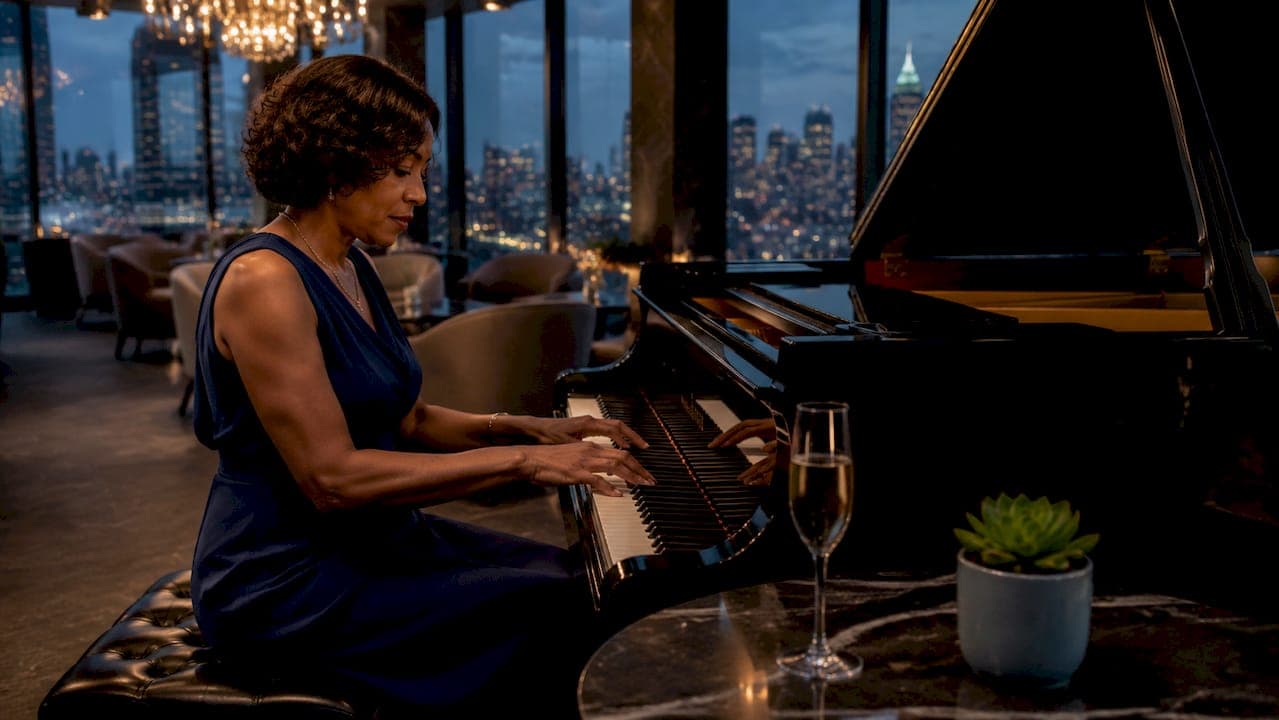
A cocktail party musician is a live performer hired specifically to create polished, ambient atmosphere during social arrival periods, pre-dinner receptions, and networking events. The industry term for this role is ambient live performer or cocktail hour musician, and understanding the distinction matters before you book. Unlike a wedding band or DJ, this performer's job is not to command attention. The goal is to make the room feel alive without interrupting a single conversation. At events ranging from corporate galas to private celebrations, the right musician transforms an ordinary gathering into an experience guests remember.
What is a cocktail party musician and what do they actually do?
A cocktail party musician is a live ambient performer whose primary function is setting a sophisticated social tone rather than serving as the main attraction. The role sits at the intersection of background music and live presence. Guests hear real musicianship, feel the energy of a live performance, and yet remain free to talk, laugh, and connect without straining to be heard.
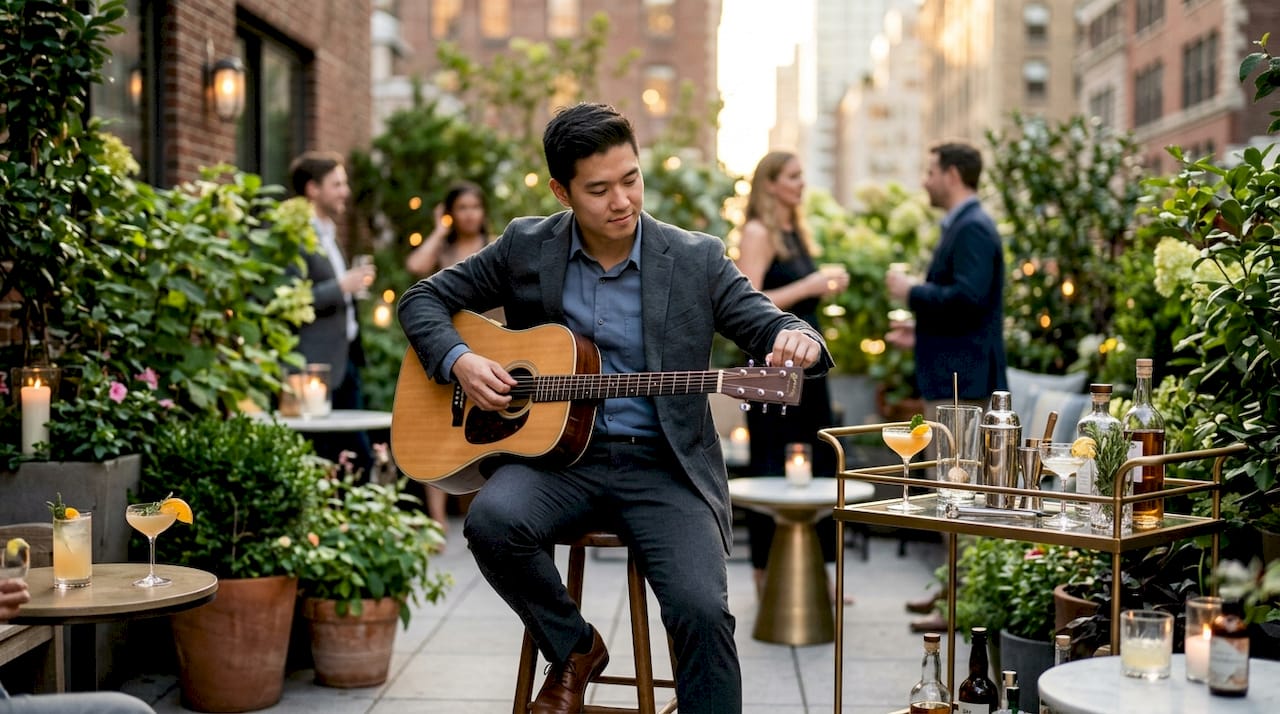
Typical sets run 60 to 90 minutes, timed to cover the arrival window and the first round of mingling before dinner or a program begins. This timing is deliberate. The cocktail hour is the social engine of any event. It is when guests settle in, form first impressions, and decide whether the evening feels special. A skilled musician reads that room and adjusts tempo, volume, and energy accordingly.
The performance style is always polished and never forced. Successful acts feel part of the furniture, meaning they are sophisticated enough to signal quality but unobtrusive enough to disappear into the ambiance. That balance is harder to achieve than it sounds, and it is what separates a true cocktail hour musician from a performer who simply plays quietly.
What types of musicians perform at cocktail parties?
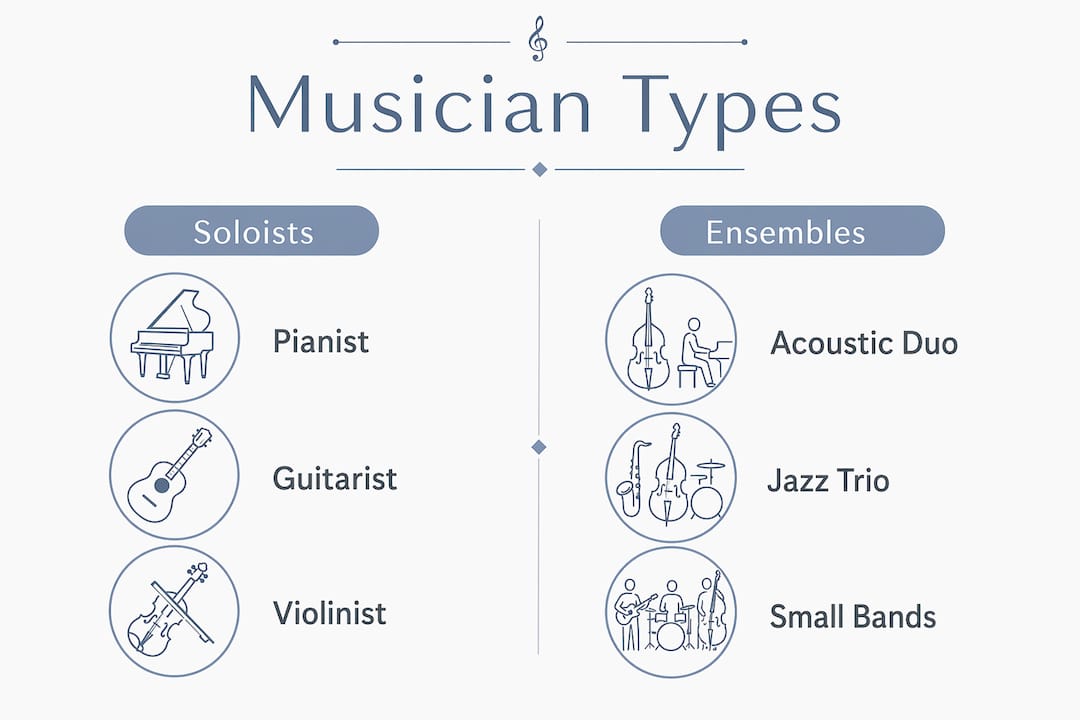
The most common formats for cocktail party entertainment are soloists, acoustic duos, and small ensembles. Each format carries a different energy and suits different venue sizes and event tones.
Small ensembles including jazz trios, acoustic duos, and solo instrumentalists are the standard choice for upscale events. A jazz trio typically features piano, bass, and drums or guitar. An acoustic duo might pair a vocalist with a guitarist or a violinist with a pianist. Solo performers, particularly pianists and classical guitarists, work well in intimate spaces where a larger group would overwhelm the room.
Here is a practical comparison of the most common types of party musicians and where each format works best:
| Musician type | Best setting | Typical genre | Volume level |
|---|---|---|---|
| Solo pianist | Intimate dinners, hotel lobbies | Jazz standards, classical | Low to medium |
| Jazz trio | Corporate receptions, weddings | Jazz, bossa nova, swing | Medium |
| Acoustic duo | Garden parties, private celebrations | Soft pop, folk, lounge | Low to medium |
| String quartet | Formal galas, ceremony receptions | Classical, crossover | Low to medium |
| Strolling musician | Large receptions, cocktail hours | Jazz, Latin, folk | Variable |
Genre matters as much as format. Jazz standards, bossa nova, lounge instrumentals, and classical crossover are the most reliable choices for cocktail settings. These genres share a common quality: they reward attentive listening but do not demand it. Acoustic musicians playing jazz or small jazz ensembles contribute elegance without overwhelming conversation, which is the defining standard for this type of live music for events.
Pro Tip: If your venue has hard floors and high ceilings, opt for a string-based duo or solo guitarist over a full trio. Reverb in reflective spaces amplifies volume unpredictably, and a smaller format gives you more control over the room's acoustic feel.
How do cocktail musicians enhance the guest experience?
Cocktail entertainment should be ambient, not presentational, activating the room immediately and enabling conversation rather than stopping it. This is the core principle behind effective cocktail hour music, and it explains why the role requires a specific kind of performer rather than simply any talented musician.
Live music creates a social permission structure. When guests walk into a room with a live performer, they immediately sense that the event is curated and intentional. That signal raises the perceived quality of everything else: the food, the decor, the company. Research on background music for parties consistently shows that live sound creates a warmer, more welcoming atmosphere than recorded playlists, even when guests cannot consciously identify the difference.
The specific benefits of a skilled cocktail musician include:
- Filling silence on arrival. The first five minutes of any event are socially awkward. Live music dissolves that tension instantly.
- Regulating the room's energy. A good musician reads the crowd and adjusts tempo to keep energy from going flat or getting too loud.
- Signaling event quality. Live performance communicates investment and care in a way that a Spotify playlist simply cannot replicate.
- Facilitating conversation. Properly calibrated music gives guests something to comment on without demanding their full attention.
The key phrase in that last point is "properly calibrated." Volume is the most common failure point. A musician who plays too loudly forces guests to shout, which creates fatigue and frustration. A performer who plays too softly becomes irrelevant. The sweet spot is a level where guests can hear the music clearly from five feet away but hold a normal conversation without raising their voice.
How to hire a cocktail party musician for your event
Hiring a musician for your cocktail hour involves more than finding someone talented. It requires clear communication about the specific role you need them to fill.
- Define your vibe before you reach out. Give musicians a vibe brief with 3 to 5 representative songs rather than a rigid setlist. This tells the performer the mood you want without locking them into choices that may not suit the room on the night.
- Ask about volume management. Before booking, ask directly how the musician handles volume in different room sizes. A professional will have a clear answer. An amateur will not.
- Confirm equipment needs. Solo pianists may need a house instrument or a digital keyboard. Acoustic duos may need a small PA system. Clarify who provides what before signing a contract.
- Plan for breaks. A 90-minute set typically includes one short break. Discuss whether recorded music will fill that gap or whether the silence is acceptable given your event flow.
- Coordinate with your event timeline. The musician should know when guests arrive, when dinner is called, and whether any speeches or announcements will overlap with their performance window.
On pricing, professional lounge acts at upscale venues charge around $450 for a three-hour performance, while high-end professional groups in major markets charge approximately $2,750. That range reflects format size, market, and experience level. A solo guitarist in a mid-size city will cost less than a jazz trio in Philadelphia or New York. Budget accordingly and treat the musician's fee as part of your event's atmosphere investment, not a line item to minimize.
Pro Tip: When reviewing musicians for hire, ask for a live video sample rather than a studio recording. Studio recordings are polished and edited. A live clip from a real event shows you exactly what your guests will hear and how the performer handles a room.
For a deeper look at choosing the right musician for your specific event style and audience, the process involves matching genre, format, and energy level to your guest profile.
How cocktail musicians differ from other event performers
Cocktail party musicians differ from reception bands or DJs by focusing on background ambiance rather than featured entertainment. That distinction shapes everything: volume, repertoire, interaction level, and placement in the event timeline.
The table below shows the key differences across the most common types of live music for events:
| Performer type | Primary role | Volume | Interaction with guests | Typical timing |
|---|---|---|---|---|
| Cocktail musician | Ambient atmosphere | Low to medium | Minimal | Arrival and pre-dinner |
| Reception band | Featured entertainment | High | Active | Post-dinner, dancing |
| Ceremony musician | Emotional backdrop | Low | None | During ceremony |
| DJ | Dance floor energy | High | Moderate to high | Reception and dancing |
| Dinner musician | Soft background | Very low | None | During meal service |
The cocktail musician occupies a unique position in the event timeline. Their role is typically limited to pre-dinner or networking segments, which means they set the tone for everything that follows. A reception band that plays at high volume for three hours is doing a completely different job. Confusing the two leads to the most common event music mistake: booking a performer whose energy overwhelms the room during the one period when guests most need to connect with each other.
For events that move from cocktail hour through dinner and into dancing, seamless music planning across the full event arc requires thinking about each segment as a distinct emotional chapter with its own performer and energy level.
Key takeaways
A cocktail party musician's defining value is creating a sophisticated, ambient atmosphere that activates social connection without competing with conversation.
| Point | Details |
|---|---|
| Core role | Cocktail musicians provide ambient live performance during arrival and pre-dinner periods, not featured entertainment. |
| Best formats | Jazz trios, acoustic duos, solo pianists, and string quartets are the most effective formats for cocktail settings. |
| Hiring approach | Provide a vibe brief of 3 to 5 songs rather than a rigid setlist to help musicians match your event's mood. |
| Pricing range | Costs range from approximately $450 for solo performers to $2,750 for high-end ensembles in major markets. |
| Key distinction | Cocktail musicians differ from reception bands and DJs by playing at lower volume with minimal guest interaction. |
Why the cocktail hour musician is the most underestimated hire in event planning
I have performed at hundreds of events across Philadelphia, New York, and beyond, and the cocktail hour is consistently the segment that hosts underinvest in and guests remember most. People do not recall the centerpieces. They recall how the room felt when they walked in.
The most common misconception I encounter is that any musician who plays softly qualifies for this role. That is not true. Ambient performance is a specific skill. It requires reading a room in real time, adjusting dynamics without being asked, and maintaining musical quality even when no one appears to be listening. The moment you stop caring because you think no one is paying attention is the moment the room feels flat.
Hosts also frequently overlook the acoustic relationship between the musician and the venue. A grand piano in a carpeted ballroom sounds completely different from the same instrument in a marble-floored atrium. I always recommend a brief site visit or at minimum a detailed conversation about the room's dimensions and surfaces before confirming a booking.
The other thing most planning guides miss: the cocktail musician sets the emotional baseline for your entire event. If that first 60 to 90 minutes feels polished and alive, guests carry that energy into dinner, into speeches, into dancing. Get it right and everything else feels easier.
— Alex
Book live music that sets the perfect cocktail hour tone
Alexlevinmusic specializes in exactly the kind of refined, ambient live performance that transforms a cocktail hour from background noise into a genuine experience. From solo piano to jazz trios and acoustic duos, every performance is tailored to your event's tone, venue, and guest profile. If you want to understand what makes live music so special compared to any recorded alternative, the difference becomes obvious the moment a real musician walks into your room. Alexlevinmusic serves Philadelphia, New York, and surrounding areas, with booking available for weddings, corporate events, and private celebrations. Reach out to discuss your event and get a custom recommendation for the right format and style.
FAQ
What is a cocktail party musician?
A cocktail party musician is a live performer hired to create ambient, sophisticated atmosphere during social arrival and pre-dinner periods at events. They typically play jazz, bossa nova, or classical music at low to medium volume to enhance conversation rather than interrupt it.
How long does a cocktail musician typically perform?
Most cocktail hour musicians perform sets of 60 to 90 minutes, timed to cover guest arrivals and the pre-dinner mingling period. Sets usually include one short break, during which light recorded music or silence fills the gap.
What instruments work best for cocktail party entertainment?
Piano, acoustic guitar, violin, and upright bass are the most effective instruments for cocktail settings because they produce warm, natural sound at conversational volume levels. Jazz trios and acoustic duos built around these instruments are the most frequently booked formats.
How much does it cost to hire a cocktail party musician?
Pricing ranges from approximately $450 for a solo performer at a luxury venue to around $2,750 for a high-end professional ensemble in a major market like New York or Chicago. Budget varies based on format size, market, and the musician's experience level.
How is a cocktail musician different from a wedding band?
A cocktail musician focuses on ambient background performance at low to medium volume during arrival and pre-dinner segments, while a wedding band serves as featured entertainment at higher volume during reception and dancing. The two roles require different skills, repertoires, and energy levels.