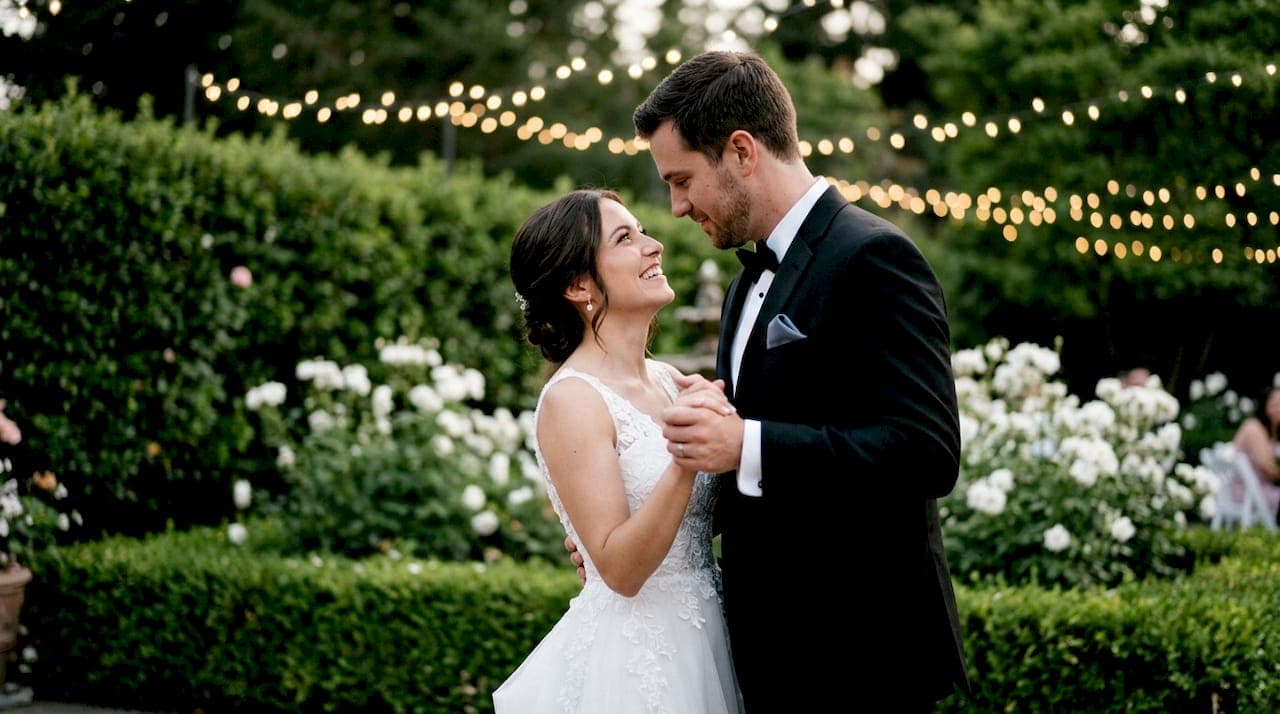
Wedding first dance song styles are the combination of music genre and dance form that couples choose to open their reception, setting the emotional tone for the entire celebration. The right pairing of song and movement tells your story in about three minutes. Rumba dominates 2026 weddings due to its compatibility with slow pop ballads, while Waltz, Foxtrot, and Swing each serve distinct moods and skill levels. Whether you want timeless elegance or a crowd-pleasing surprise, the style you pick shapes how guests remember your night.
1. What are the top romantic first dance song styles?
Romantic first dance styles fall into three dominant categories: Rumba, Waltz, and Foxtrot. Each pairs with a specific song structure, so matching genre to dance form is the first decision you make.
Rumba is the most popular choice for modern couples. Rumba dominates 2026 weddings because it adapts naturally to slow 4/4 pop ballads like "Perfect" by Ed Sheeran or "All of Me" by John Legend. Its hip movements are intimate without being showy, and non-dancers can learn a basic Rumba box in two lessons.
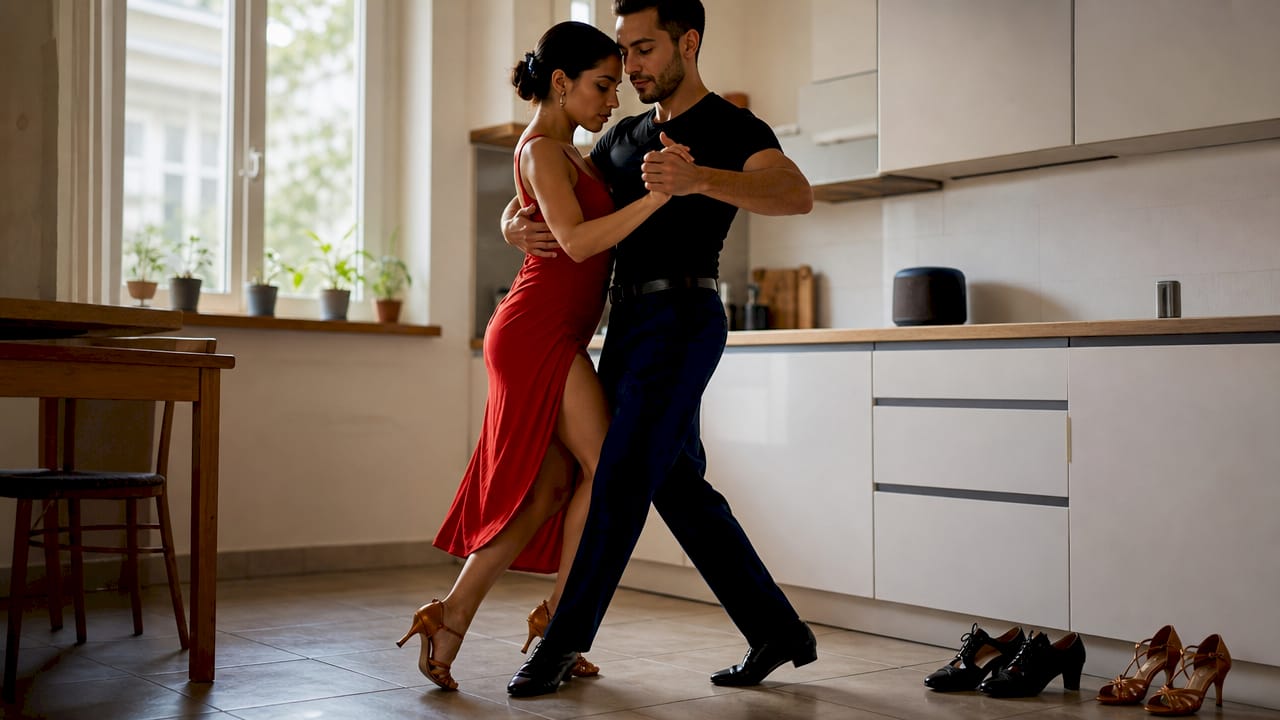
Waltz carries a timeless, formal elegance. It fits songs written in 3/4 time, such as "Can't Help Falling in Love" by Elvis Presley. The three-beat rise-and-fall motion creates a sweeping, cinematic look on the dance floor. Waltz is the right call when your wedding theme leans toward classic or European formality.
Foxtrot suits couples who love jazz and big-band sounds. Its smooth, gliding steps pair beautifully with crooner standards and modern ballads that have a swinging feel. Think Frank Sinatra's "The Way You Look Tonight" or Michael Bublé's catalog. Foxtrot reads as effortlessly sophisticated to guests even when the dancers are beginners.
- Rumba: best for slow pop ballads in 4/4 time
- Waltz: best for 3/4 time classics and formal themes
- Foxtrot: best for jazz, swing, and big-band songs
- Nightclub Two Step: best for contemporary ballads with a steady pulse
Pro Tip: Put on your shortlisted song at home and sway together for 60 seconds. If the tempo feels natural and comfortable, it will work on the wedding day. If you keep losing the beat, try a different song.
2. Unique and trend-inspired first dance styles for 2026
Couples in 2026 are moving away from generic slow sways toward performances that reflect genuine personality. Bridgerton-style choreography is the largest growth area, with Regency-inspired routines that feel narrative and theatrical rather than stiff.
Beyond the Regency trend, several other styles are gaining ground:
- Swing and Lindy Hop: Playful and high-energy, these styles suit couples with a fun, retro personality. Songs by Louis Armstrong or a modern swing cover create an instant party atmosphere.
- Hustle: A disco-era style that works with upbeat pop and R&B. The Hustle is fast, flashy, and gets guests clapping within seconds.
- Tango: Dramatic and intense, Tango suits couples who want theatrical flair. It requires more rehearsal but delivers a jaw-dropping visual moment.
- Salsa: Vibrant and rhythmic, Salsa works for couples with Latin music roots or anyone who wants an energetic, joyful opening.
The key insight here is that matching style to couple's personality produces authenticity. A couple who loves hiking and indie music will feel more at home in a relaxed Foxtrot than a formal Viennese Waltz. Dance instructors consistently advise choosing the style that fits your energy, not the one that looks most impressive on video.
Mashups also fall into this trend category. Starting with a slow, intimate ballad and then breaking into an upbeat track gives the first dance two emotional peaks. That structure keeps guests engaged and lets the couple show two sides of their relationship in one moment.
3. How song tempo affects your first dance choice
Tempo is the most overlooked technical factor in choosing a first dance. Songs with 70–90 BPM are ideal for slow sways and simple Rumba steps. Songs in the 90–120 BPM range suit couples comfortable with moderate movement, covering Foxtrot and Nightclub Two Step. Anything above 120 BPM requires professional choreography to avoid awkward, rushed footwork.
The meter of the song matters just as much as the speed. Waltz fits 3/4 time signatures, while Rumba, Foxtrot, and Nightclub Two Step all suit the 4/4 time common in modern pop and country music. Choosing a song solely on its lyrics without checking the meter is the most common mistake couples make.
| BPM Range | Recommended Style | Skill Level |
|---|---|---|
| 70–90 BPM | Slow sway, Rumba | Beginner |
| 90–110 BPM | Foxtrot, Nightclub Two Step | Intermediate |
| 110–120 BPM | Waltz, Swing | Intermediate |
| 120+ BPM | Hustle, Salsa, Tango | Advanced or choreographed |
Choosing a song by lyrics alone without checking BPM is a reliable path to an awkward dance floor moment. The fix is simple: count the beats per minute before you commit to any song.
Pro Tip: If you are not a natural dancer, choose Rumba or a slow sway. Rumba is effective for intimate choreography without advanced skills, and it photographs beautifully because the movements are close and connected.
4. Popular first dance song genres by mood and wedding theme
Genre choice is really a mood choice. The song's genre signals to guests what kind of celebration they are attending before a single step is taken.
Classic ballads and standards remain the most requested category. Songs like "Can't Help Falling in Love," "A Thousand Years," "All of Me," and "Thinking Out Loud" each stream over 1 billion plays, which tells you something about their emotional staying power. These songs work because their melodies are immediately recognizable and their lyrics are universally relatable.
Country love songs tell specific, story-driven narratives that resonate deeply at weddings with a rustic or outdoor theme. Artists like Tim McGraw, Lonestar, and Dan + Shay have built entire catalogs around wedding-ready material. Country songs tend to sit in the 80–100 BPM range, making them natural fits for Foxtrot or a relaxed Nightclub Two Step.
Modern pop and indie ballads are growing in popularity, particularly among couples in their late 20s and early 30s. Artists like Hozier, Novo Amor, and Maggie Rogers offer songs with emotional depth that feel personal rather than generic. These tracks often have unconventional structures, so checking the BPM and meter before committing is especially important.
Upbeat and fun songs work for couples who want to skip the slow dance entirely. A well-choreographed Swing or Hustle to a Motown classic or a Bruno Mars track creates an electric opening that sets a celebratory tone for the rest of the night. Pairing this kind of energy with great wedding entertainment across the reception keeps guests engaged from start to finish.
- Classic ballads: formal, elegant, universally emotional
- Country: story-driven, warm, rustic themes
- Jazz and swing standards: sophisticated, playful, timeless
- Modern pop and indie: personal, contemporary, emotionally layered
- Upbeat Motown or funk: energetic, crowd-pleasing, celebratory
5. Creative first dance formats beyond the traditional slow dance
The traditional slow dance is one option, not the only option. Couples who feel self-conscious about dancing in front of a crowd have several formats that reduce pressure while still creating a memorable moment.
The mashup format is the most popular creative alternative. Starting with a slow ballad for 60–90 seconds, then transitioning to an upbeat track, balances romance with energy. The slow opening gives guests a tender moment, and the upbeat finale invites everyone onto the floor. This format works especially well when the couple has two songs that both feel meaningful.
Short song edits solve the problem of songs that run too long. A professional audio edit can trim a five-minute ballad to two and a half minutes, keeping the most emotionally resonant sections and cutting the repetitive bridge. Guests stay focused, and the couple avoids the awkward feeling of dancing past the natural emotional peak of the song.
Simple swaying with intention is underrated. A couple who holds each other close, moves gently, and makes eye contact throughout a beautiful song creates a more moving moment than a technically complex routine performed with visible anxiety. Slow romantic songs allow close holding and subtle movement with high emotional connection and low complexity. That combination is hard to beat.
Other creative approaches worth considering:
- Invite the wedding party to join after the first 30 seconds
- Incorporate a surprise costume change or prop reveal mid-song
- Use a live musician to perform a custom arrangement of your song
- Ask guests to form a circle and cheer rather than watch in silence
The goal of any format is to feel like you, not like a performance for an audience.
Key Takeaways
The most effective wedding first dance combines a song's tempo and meter with a dance style that matches the couple's comfort level and personality, producing a moment that feels authentic rather than rehearsed.
| Point | Details |
|---|---|
| Match tempo to dance style | Songs at 70–90 BPM suit Rumba and slow sways; above 120 BPM requires choreography. |
| Rumba leads in 2026 | Rumba adapts to slow pop ballads and works for beginners, making it the top choice this year. |
| Genre signals mood | Classic ballads, country, jazz, and upbeat pop each set a distinct emotional tone for guests. |
| Creative formats reduce pressure | Mashups, short edits, and simple swaying are valid alternatives to full choreography. |
| Personality beats perfection | Matching style to your genuine energy produces a more memorable moment than technical skill alone. |
What I've learned from watching hundreds of first dances
After years of performing at weddings across Philadelphia and New York, I have watched couples agonize over their first dance song and then nail it, and I have watched couples pick a crowd-pleasing hit and freeze the moment the music started. The difference is almost never the song. It is whether the choice felt genuinely theirs.
The couples who look most comfortable are the ones who stopped trying to impress and started trying to connect. A Rumba danced with real eye contact beats a technically perfect Waltz performed with visible nerves every single time. Guests feel the difference immediately, even if they cannot name the dance style.
I also notice that the Bridgerton-inspired trend is not really about Regency aesthetics. It is about couples wanting their first dance to tell a story. That instinct is right. The best first dances I have seen have a clear emotional arc, whether that is a tender slow opening that breaks into a joyful upbeat finale, or a simple sway that builds to a dip at the perfect lyrical moment.
My honest advice: choose the song that makes you feel something when you hear it alone in the car. Then find the dance style that lets you move without thinking. Work with a professional instructor for even two or three sessions. The investment pays off in confidence, and confidence is what the camera captures.
— Alex
Live music that matches your first dance perfectly
The song style you choose deserves more than a playlist playing through a speaker. Live music responds to the room in ways a recording never can, adjusting tempo, energy, and dynamics to match the moment as it unfolds.
Alexlevinmusic specializes in live wedding music tailored to your chosen first dance style, whether that is a jazz trio for a Foxtrot, a string quartet for a Waltz, or a full band for a Swing finale. Every arrangement is customized to your song and your tempo. Alexlevinmusic serves couples in Philadelphia, New York, and beyond, and the reception music services page outlines ensemble options, song customization, and booking details. Your first dance deserves a performance, not a playlist.
FAQ
What dance style works best for a slow pop ballad?
Rumba is the best match for slow pop ballads in 4/4 time. It adapts naturally to songs like "Perfect" or "All of Me" and requires minimal training for beginners.
How do I know if a song's tempo is right for my first dance?
Count the beats per minute or use a free BPM counter app. Songs at 70–90 BPM work for slow sways and Rumba; songs above 120 BPM require professional choreography to dance comfortably.
What is the most popular first dance style in 2026?
Rumba is the dominant first dance style in 2026 because it pairs with the slow pop and ballad songs that top streaming charts and suits couples at every skill level.
Can non-dancers still have a great first dance?
Slow romantic songs paired with simple Rumba steps or a close sway allow non-dancers to create an emotionally powerful moment without complex footwork. Two or three lessons with a professional instructor make a significant difference in confidence.
What is a mashup first dance format?
A mashup starts with a slow ballad for 60–90 seconds, then transitions to an upbeat track. This format balances intimacy with energy and is one of the fastest-growing first dance trends in 2026.