
Private party entertainment is defined as any live or interactive performance, activity, or experience hired to engage guests at a non-public, invitation-only event. The types of private party entertainment you choose shape the entire mood of your celebration, from the first cocktail hour to the final dance. Getting this decision right means matching your entertainment format to your guest list, venue size, and event goals. Industry standards recommend booking entertainment 3–6 months in advance for private parties, with a 30–50% deposit to secure your act.
1. Types of private party entertainment: live music formats
Live music is the most requested form of private event entertainment. It creates atmosphere in real time, responds to the room, and gives guests something to watch and feel simultaneously.
The three main formats are solo musicians, small ensembles, and full live bands. Each serves a different purpose:
- Solo musicians (solo piano, acoustic guitar, solo vocalist) work best for intimate dinners, cocktail receptions, and smaller venues where a full band would overpower the space.
- Small ensembles such as jazz trios, string quartets, or a duo create a polished, sophisticated sound without the logistical weight of a large band. Alexlevinmusic specializes in exactly these formats, offering jazz trios and string quartets tailored to private celebrations.
- Full live bands deliver high energy and are ideal for large receptions, milestone birthday parties, or any event where dancing is the main goal.
Live bands average $590 nationally, while local indie acts run $300–$600. That range reflects band size, travel distance, and peak season demand. Budget accordingly before you fall in love with a six-piece group.
Logistically, larger ensembles need more space, more power outlets, and more setup time. Always confirm whether the quote includes PA systems and backline equipment. Failure to specify technical requirements can lead to unexpected production costs on the day of your event.
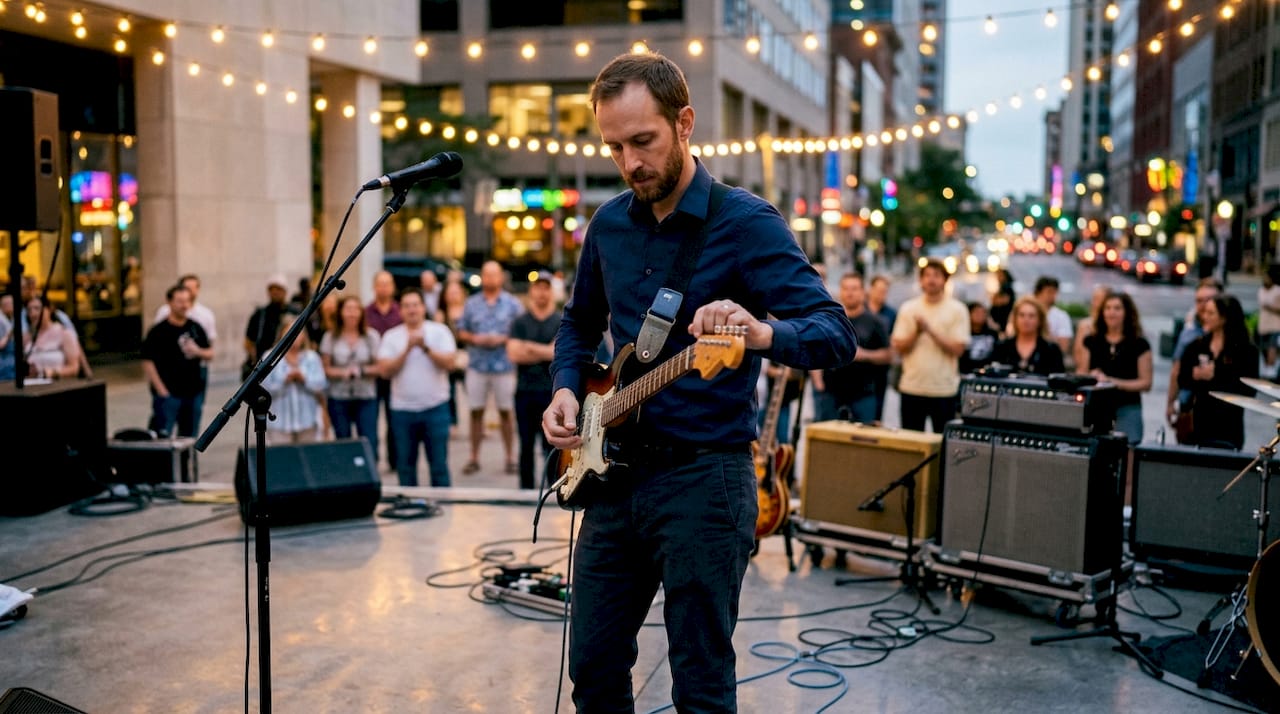
Pro Tip: Ask your venue for a stage plot and power spec sheet before you book any live band. Share it with the performer upfront to avoid surprise fees.
2. DJs and hybrid setups for dynamic event pacing
A DJ is the most flexible private event entertainer you can hire. A skilled DJ reads the crowd in real time, adjusts tempo and genre on the fly, and keeps energy consistent across every phase of your party.
DJs average $575–$600 for four hours, making them a cost-effective choice compared to full bands. That price point also leaves room in your budget for other entertainment layers.
Hybrid setups combine a live musician with a DJ for a layered sound experience. A saxophonist or percussionist performing over DJ tracks, for example, delivers the spontaneity of live music with the variety of a full digital library. Alexlevinmusic offers DJ and hybrid music setups designed specifically for private parties that want both energy and elegance.
Key strengths of DJs and hybrid formats:
- Music variety: A DJ can cover decades of genres in a single night without a break.
- Smooth transitions: No gaps between songs means no dead air on the dance floor.
- Crowd reading: Experienced DJs shift energy up or down based on how guests are responding.
- Scalability: A DJ setup fits a rooftop apartment or a ballroom with equal ease.
Pro Tip: When interviewing DJs, ask them to describe how they handle a crowd that stops dancing. Their answer tells you everything about their experience level.
Choosing between a DJ and a live band often comes down to venue size and budget. For guidance on that decision, why hire a DJ breaks down the tradeoffs clearly.
3. Specialty and novelty performers for memorable moments
Specialty performers create the moments guests talk about for years. These acts go beyond background entertainment and become the centerpiece of your party.
Popular options include:
- Close-up magicians who work the room table by table, creating personal moments of wonder for small groups
- Aerial silk artists who perform overhead during cocktail hour, adding visual drama without requiring a stage
- LED and light show performers who combine dance with wearable technology for a visually striking effect
- Human statues and living art installations that surprise guests and generate social media content naturally
- Caricature artists and portrait sketchers who give guests a personalized keepsake to take home
Matching the performer's style to your event tone is the single most important factor in whether specialty acts land well or feel out of place. A close-up magician fits a cocktail party perfectly. An aerial performer needs ceiling height, rigging points, and a safety assessment before you book.
Space and safety requirements vary significantly by act. Always ask performers for a technical rider and confirm your venue can accommodate their needs before signing a contract.
4. Immersive and experiential entertainment trends
Immersive experiences are the fastest-growing category in private event activities. They shift guests from passive observers to active participants, which dramatically increases how memorable the event feels.
Escape games, silent discos, and cocktail mixology classes are among the top trending options for adult private parties. These formats generate strong social media engagement and give guests a shared story to tell afterward.
| Experience Type | Best For | Space Needed | Typical Group Size |
|---|---|---|---|
| Escape room pop-up | Adult milestone parties | Medium room | 6–20 guests |
| Mixology workshop | Corporate or birthday events | Bar or table setup | 10–40 guests |
| Silent disco | Outdoor or noise-restricted venues | Open floor space | 20+ guests |
| VR experience station | Teen or tech-savvy adult parties | Small booth area | Individual or pairs |
| Micro-theater performance | Intimate dinner parties | Small stage or corner | 10–30 guests |
Logistically, immersive experiences often require more lead time to set up and more coordination with your venue. Budget for equipment rental, facilitator fees, and any consumables (cocktail ingredients, for example). The return on guest enjoyment is high, but so is the planning complexity.
5. Family-friendly and age-specific entertainment options
Family-oriented private parties require entertainment that works across age groups simultaneously. The wrong act for the wrong age group creates disengaged guests and frustrated parents.
Age-appropriate acts and multisensory options are the standard for family events, especially when toddlers or neurodiverse guests are present. Soft play areas, sensory stations, and puppet shows serve the youngest guests while keeping them safe and calm.
Entertainment by age group:
- Toddlers (ages 1–4): Soft play setups, bubble shows, and parent-led music circles with simple instruments
- Children (ages 5–12): Close-up magicians, game trucks, puppet theater, and face painters
- Teens (ages 13–17): DJ sets, immersive workshops, photo booths with props, and interactive gaming stations
- Mixed-age groups: Lawn games, trivia hosts, and live acoustic music that works as background for all ages
Balancing multi-generational preferences is easier when you layer your entertainment. A DJ handles the adults while a face painter keeps the kids occupied. A lawn game setup works for every age group at once. Choosing the right musician for a family event means selecting someone who can adjust their set energy based on who is in the room at any given moment.
6. Outdoor party entertainment considerations
Outdoor venues open up entertainment options that simply do not work indoors. Fire performers, lawn game hosts, food truck entertainment, and roaming acoustic acts all thrive in open-air settings.
The key constraint outdoors is weather and power access. Battery-powered PA systems and acoustic performers reduce your dependency on venue power. Always have a weather contingency plan for any outdoor entertainment that requires electrical equipment.
Outdoor private event activities that work particularly well include roaming musicians who move through the crowd, yard game facilitators who organize competitive rounds, and ambient performers like stilt walkers or living statues who create visual interest across a large space. For music planning across event phases, outdoor parties benefit from a clear timeline that shifts energy from relaxed arrival music to higher-energy entertainment as the evening progresses.
Key Takeaways
The best private party entertainment matches your guest demographics, venue constraints, and event goals before any other consideration.
| Point | Details |
|---|---|
| Book early and deposit | Reserve entertainment 3–6 months out and expect a 30–50% deposit to hold the date. |
| Match format to venue size | Solo acts and small ensembles fit intimate spaces; full bands and DJs need room and power access. |
| Layer entertainment types | Combining live music with specialty performers or immersive activities keeps all guest ages engaged. |
| Clarify technical requirements | Confirm PA systems, backline, and power needs in writing before signing any contract. |
| Age-specific acts matter | Separate entertainment for toddlers, children, and teens prevents disengagement and keeps parents relaxed. |
What I've learned from years of playing private parties
Private parties are the most honest test of an entertainer's skill. There is no stage lighting to hide behind, no crowd of strangers to blend into. You are performing for people who know each other, which means the room's energy shifts fast and without warning.
The biggest mistake I see hosts make is booking entertainment based on what impressed them at someone else's event. Professional performers shape emotional flow in real time, and what worked at a 200-person wedding reception will not automatically work at a 40-person birthday dinner. The scale, the intimacy, and the guest relationships are completely different.
My honest advice: prioritize adaptability over spectacle. A jazz trio that can read the room and shift from background dinner music to an upbeat set when the dancing starts will outperform a flashy act that delivers one fixed experience. Entertainment success depends on matching style and pacing to the audience, not just on raw talent.
Blend at least two entertainment types when your budget allows. A live musician during cocktail hour followed by a DJ for dancing covers every phase of the night without a single dead moment. That combination is what I recommend to nearly every private client, because it works.
— Alex
Live music and entertainment for your private party
Planning a private party and want entertainment that actually fits the moment? Alexlevinmusic brings live jazz, swing, string quartets, solo piano, and hybrid DJ setups to private celebrations across Philadelphia, New York, and beyond.
Every performance is customized to your event's tone, timeline, and guest list. Whether you need elegant background music for a dinner party or a high-energy set that gets everyone on the dance floor, live music for private events creates an atmosphere no playlist can replicate. Explore the full range of private party music services and find the right format for your celebration.
FAQ
What is private event entertainment?
Private event entertainment is any live performance, interactive activity, or experiential offering hired exclusively for a non-public gathering. It includes live bands, DJs, specialty performers, and immersive experiences tailored to the host's guest list and event goals.
What is a private event entertainment fee?
A private event entertainment fee is the total cost charged by a performer or entertainment company to appear at your event. Fees vary widely: local acts start around $300, live bands average $590 nationally, and DJs typically run $575–$600 for four hours.
How far in advance should I book entertainment for a private party?
Book entertainment 3–6 months before your event date, or 6–12 months for peak dates like summer weekends and major holidays. Most performers require a 30–50% deposit to hold the booking.
What types of event entertainers work best for mixed-age groups?
Acoustic musicians, trivia hosts, and lawn game facilitators work well across all ages simultaneously. Layering a children's entertainer with a DJ or live band keeps every age group engaged without compromising the adult experience.
Do I need to provide equipment for my entertainment?
Always confirm with your entertainer whether their quote includes PA systems, backline, and power requirements. Failing to clarify these details in writing can result in unexpected production costs on the day of your event.