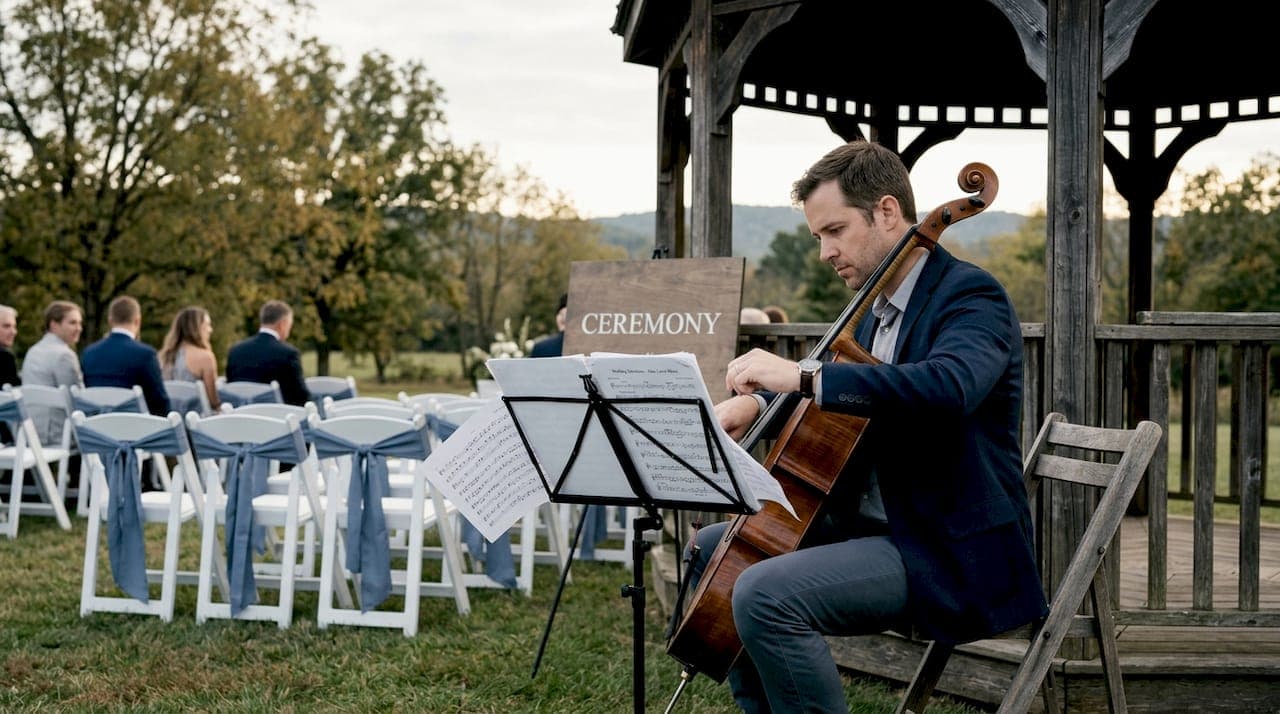
Live music does something to a room that no playlist can replicate. The role of ceremony musician goes far beyond showing up with an instrument. A skilled ceremony musician reads the room, manages timing, and creates the emotional arc that guests will feel long after the last note fades. Whether you're planning an intimate garden ceremony or a grand cathedral wedding, understanding what these professionals actually do, and how to work with them effectively, will change how you approach one of your most important hiring decisions.
Table of Contents
- Key takeaways
- The role of ceremony musician: more than background music
- Types of ceremony musicians and their styles
- How to choose and communicate with your musician
- How musicians work with coordinators and other vendors
- Budgeting for ceremony musicians
- My take on what ceremony musicians actually provide
- Let Alexlevinmusic set the tone for your ceremony
- FAQ
Key takeaways
| Point | Details |
|---|---|
| Musicians do more than play | A ceremony musician manages timing, cueing, and transitions in real time, not just song selection. |
| Match style to your vibe | String quartets, harpists, and acoustic guitarists each create very different atmospheres for your ceremony. |
| Book early and communicate | Share song preferences, pacing needs, and venue restrictions well before the wedding day. |
| Budget realistically | Ceremony-only music typically costs $200 to $800, with additional fees for travel and special requests. |
| Coordination matters | Clear communication between your musician, officiant, and coordinator prevents timing breakdowns. |
The role of ceremony musician: more than background music
Most couples think about ceremony musicians the same way they think about floral arrangements. Nice to have. Easily swapped for something cheaper. That framing is a mistake, because what a live ceremony musician actually provides is structural and emotional, not decorative.
Ceremony musicians typically play for 30 to 60 minutes, covering the prelude as guests arrive, the processional as the wedding party walks, interludes during readings or rituals, and the recessional as everyone exits. Each of these moments has a different emotional weight and a different pacing requirement. A musician who understands that difference plays the prelude softly to let conversation flow, shifts the energy for the bridal processional, and then releases the room with something joyful for the exit.
The term "ceremony musician" is widely used, but professionals in this space often describe their function as ceremonial performance. That framing matters because it captures the full scope of what they do: performing, coordinating, and adapting under live conditions.
Ceremony music is mostly instrumental and its purpose is to support the ceremony without pulling attention away from vows, readings, or spoken moments. Volume control and dynamic sensitivity are part of the job description, not afterthoughts.
Here is what a professional musician handles on your wedding day:
- Prelude: Arriving early, setting up, and playing background music as guests are seated (typically 20 to 30 minutes before the ceremony begins)
- Processional: Cueing the start precisely as the wedding party enters, matching tempo to their pace
- Interludes: Filling silence during transitions like candle lighting, readings, or signing of the register
- Recessional: Shifting to an upbeat or celebratory piece as the couple exits, signaling the joy of the moment
Pro Tip: Ask any musician you're considering how they handle a delayed start. A seasoned professional will have a clear, practiced answer. Someone who hesitates or gives a vague response is telling you something important about their experience level.
Types of ceremony musicians and their styles
The instrumentation you choose shapes the entire feel of your ceremony. This is not just an aesthetic decision. It affects volume, formality, space requirements, and emotional tone.
Soloists vs. ensembles
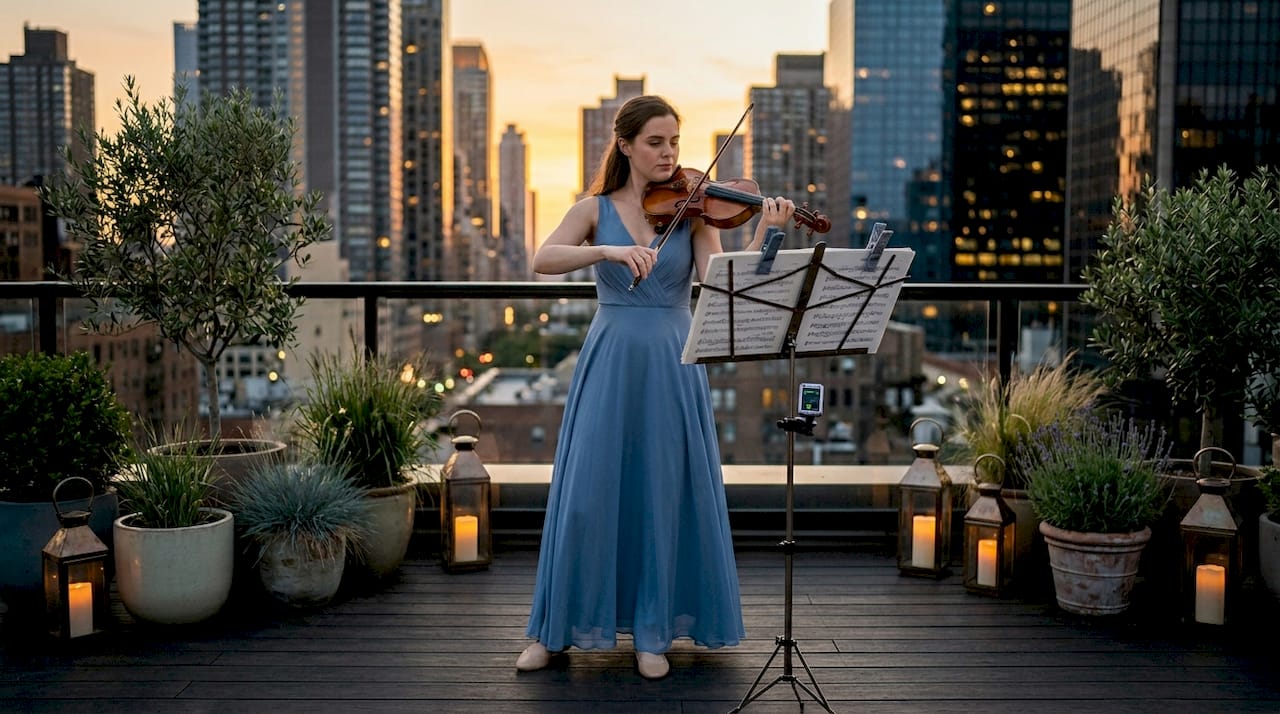
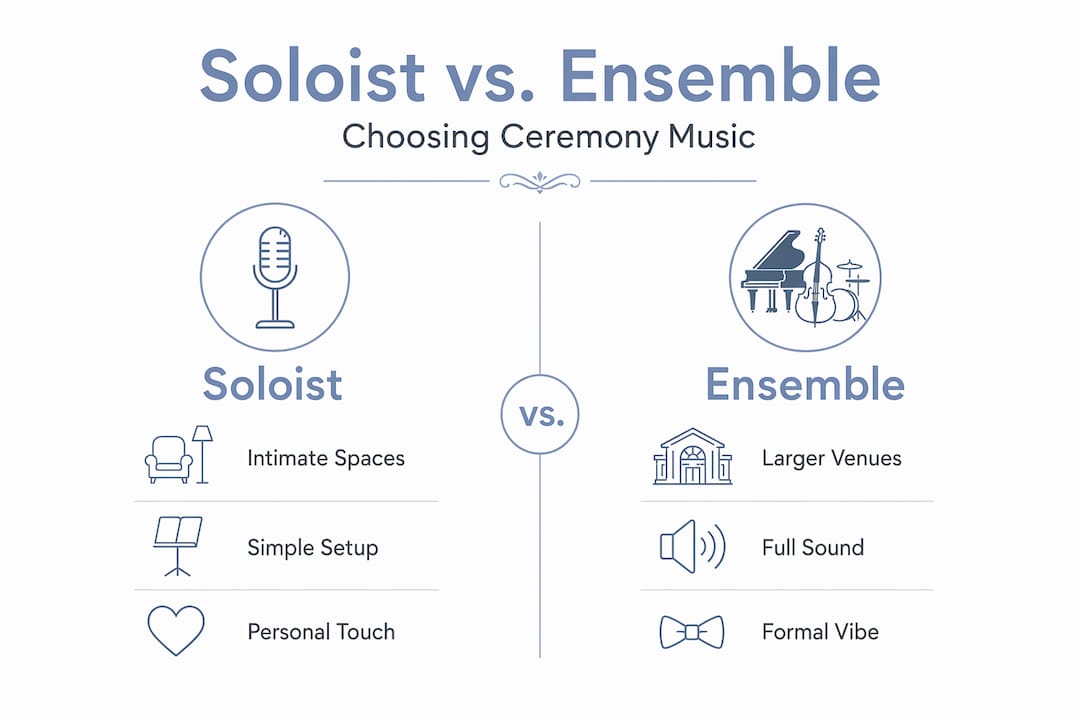
A solo violinist or acoustic guitarist works beautifully in an intimate space, a rooftop ceremony, or a venue with limited room. They are flexible, easier to budget for, and often more adaptable to last-minute changes. An ensemble like a string quartet or jazz trio fills a larger space with richer sound and creates a more formal atmosphere. The tradeoff is cost, logistics, and coordination complexity.
| Musician type | Best ceremony vibe | Space needed | Formality level |
|---|---|---|---|
| String quartet | Classic, formal, romantic | Medium to large | High |
| Solo pianist | Elegant, intimate, versatile | Requires piano or keyboard | Medium to high |
| Acoustic guitarist | Casual, warm, modern | Small to medium | Low to medium |
| Harpist | Romantic, ethereal, traditional | Medium | High |
| Jazz trio | Sophisticated, lively, stylish | Medium to large | Medium to high |
Musician style strongly influences ceremony tone, and matching that style to your event enhances how guests experience every moment. A jazz trio playing bossa nova creates a completely different emotional atmosphere than a string quartet performing Bach, even if both are playing during the same processional slot.
When evaluating options, watch videos of the musician performing at actual ceremonies rather than studio recordings. Studio clips show technical skill. Live ceremony footage shows how they handle transitions, how they respond to the room, and how they present themselves in front of guests.
You can also explore live ceremony music options that double into your reception for a more connected, consistent musical experience across your entire wedding day.
How to choose and communicate with your musician
Getting the right musician is half the work. Working with them effectively is the other half. Most ceremony music problems come down to poor communication, not poor talent.
Here is a process that works:
- Book early. Popular musicians fill their calendars fast, especially for peak wedding season. Six to twelve months out is not too early, particularly in Philadelphia, New York, or other competitive markets.
- Review experience specifically. Ask how many wedding ceremonies they have performed. A musician with 50 concerts and 3 ceremonies is very different from one with 150 ceremonies. Ceremony-experienced musicians know how to adapt pacing, cueing, and transitions on the fly.
- Share your style and song list. Live ceremony musicians deliver tailored, intimate performances, but only if you give them the raw material to work with. Tell them the songs you want, the songs you definitely do not want, and the overall mood you are going for.
- Discuss timing and cues. Who signals the musician when the bride is ready to walk? Is it the coordinator, the officiant, or a designated person with a clear sightline? This conversation needs to happen before the day.
- Get everything in writing. Your contract should cover fees, travel costs, setup time, overtime policy, equipment requirements, and fee structures for special requests. Verbal agreements disappear under wedding-day pressure.
- Ask about venue restrictions. Some religious venues have specific rules about repertoire or sound levels. In liturgical ceremonies, musicians often coordinate with a music ministry team and may need to rehearse on-site.
Pro Tip: Send your musician a one-page ceremony outline with the order of events, approximate timing, and the name of the person who will give each cue. This single document eliminates most day-of confusion and gives your musician everything they need to perform with confidence.
You can avoid the most common mistakes couples make by reviewing wedding music planning pitfalls before your first musician meeting.
How musicians work with coordinators and other vendors
A ceremony musician does not perform in isolation. The best experiences happen when the musician, the officiant, and the coordinator are all working from the same script.
Someone needs to manage music timing throughout the ceremony, and that responsibility should be clearly assigned before the wedding day. Here is how that collaboration typically works:
- The coordinator serves as the primary cue-giver, signaling the musician when to begin each musical segment. They watch the officiant, the wedding party, and the processional line, then give the signal.
- The officiant communicates with the musician about the flow of vows, readings, and any ritual moments that require musical support.
- For seamless music transitions, a designated person or coordinator is genuinely critical to avoid awkward gaps, especially around the signing of the marriage license or candle lighting ceremonies.
- The musician adapts in real time. If the flower girl stops halfway down the aisle, a good musician loops the processional piece naturally until the moment resolves. This requires experience, not just sheet music.
In liturgical and religious settings, musicians often act as both performers and administrative coordinators, working with music ministry teams and rehearsing pieces specific to the tradition. This adds a layer of planning that secular ceremonies do not always require.
The takeaway here is simple. Treat your musician as a collaborator in the planning process, not a vendor who shows up on the day. A brief pre-ceremony walkthrough, even just 15 minutes with the coordinator and officiant, can prevent almost every timing problem.
Budgeting for ceremony musicians
Understanding the cost structure up front saves you from awkward conversations later and helps you make smarter tradeoffs.
| Cost category | Typical range | Notes |
|---|---|---|
| Ceremony-only performance | $200 to $800 | Covers prelude through recessional |
| Full-day coverage | $1,000 and up | Includes cocktail hour and sometimes reception |
| Travel fees | $50 to $200+ | Varies by distance from musician's home base |
| Special song requests | $50 to $150 per song | For pieces outside standard repertoire |
| Equipment rental | $0 to $300 | Piano, sound system, or amplification |
Typical ceremony-only fees range from $200 to $800, with additional costs layering on depending on the scope. A solo acoustic guitarist at an outdoor ceremony might come in near the lower end. A string quartet in a formal venue will land at the higher end or beyond.
The biggest budgeting mistake couples make is treating ceremony music as a line item to cut when costs run over. That decision tends to surface as regret in retrospect. Your ceremony is the one moment that cannot be restarted or redone. The music setting the tone for that moment deserves proper investment.
Pro Tip: Ask for an itemized quote, not just a total. When you see individual line items for travel, setup time, and overtime, you can have a much more specific conversation about where you have flexibility and where you do not.
My take on what ceremony musicians actually provide
I have seen this play out hundreds of times. Couples who invest in a skilled ceremony musician walk away talking about how their ceremony felt. Couples who skimped on it often remember silence where there should have been music, or a playlist that cut out at exactly the wrong moment.
What people outside the music world do not fully appreciate is how much invisible work a professional ceremony musician does. The timing reads, the dynamic adjustments, the looping of a processional when someone takes longer than expected. None of that is improvisation. It is rehearsed professionalism applied under pressure, and it is exactly what separates a musician with ceremony experience from a talented performer who has never worked a wedding.
My honest advice: weight communication skills as heavily as musical talent when you are choosing someone. A musician who responds to your emails promptly, asks thoughtful questions about your ceremony, and gives clear answers about how they handle coordination is telling you something important about how they will perform on the day.
Price is a real consideration, obviously. But I have seen expensive musicians deliver forgettable performances and mid-budget musicians create genuinely moving moments. The difference almost always comes down to preparation and professional engagement with the couple's vision. Listen to how they talk about their process, not just how they play.
— Alex
Let Alexlevinmusic set the tone for your ceremony
If you want live ceremony music that feels personal, polished, and completely coordinated with your wedding day vision, Alexlevinmusic offers a full range of soloists and ensembles designed for exactly this purpose, from solo piano and acoustic guitar to jazz trios and string quartets. Every performance is tailored to the couple's style and the venue's character.

The team at Alexlevinmusic handles all the coordination details that make ceremony music actually work: cue timing, repertoire planning, vendor communication, and real-time adaptability on the day. Serving Philadelphia, New York, and beyond, they bring genuine expertise to every wedding they perform at. Browse the full wedding music services to see what's available for your date, or reach out directly to start the conversation about your ceremony.
FAQ
What does a ceremony musician actually do?
A ceremony musician performs live music throughout the ceremony, covering the prelude, processional, interludes, and recessional while managing timing and real-time transitions in coordination with the officiant and wedding coordinator.
How early should I book a ceremony musician?
Book six to twelve months before your wedding date, especially in peak season. Popular musicians fill their schedules quickly, and early booking gives you time to plan repertoire and logistics properly.
What is the typical cost for ceremony-only music?
Ceremony-only music typically ranges from $200 to $800, depending on the type of musician and location, with additional fees possible for travel, special song requests, and equipment.
Do I need a coordinator to work with my ceremony musician?
Yes. A coordinator or designated person should handle cueing the musician at each stage of the ceremony. Without clear cue management, timing gaps and awkward transitions are common.
What types of musicians work best for a wedding ceremony?
String quartets, solo violinists, harpists, pianists, and acoustic guitarists are popular options. The right choice depends on your venue size, ceremony style, and whether you want a formal or relaxed atmosphere.
Recommended
- Questions to Ask Before Booking Your Wedding Band — and What Their Answers Should Tell You | Alex Levin Music | Wedding Music New York | Wedding Music Philadelphia
- How to Build the Perfect Wedding Reception Music Playlist: 10 Tips to Keep the Party Going | Alex Levin Music | Live Wedding Music New York | Live Event Music Philadelphia
- Ceremony Band | Live Musician | Soloists
- Bands for Hire | Wedding DJ | Best Wedding Musicians