
The guest experience at a live music party is defined by three forces working together: curated entertainment, immersive ambiance, and interactive participation. When all three align, guests leave with emotional memories that outlast the event itself. Industry experts in 2026 confirm that personalized, immersive experiences outperform generic decoration and background sound every time. Alexlevinmusic has built its entire approach around this principle, helping hosts in Philadelphia, New York, and beyond turn live music events into genuinely unforgettable nights.
How do you plan entertainment phases for maximum guest engagement?
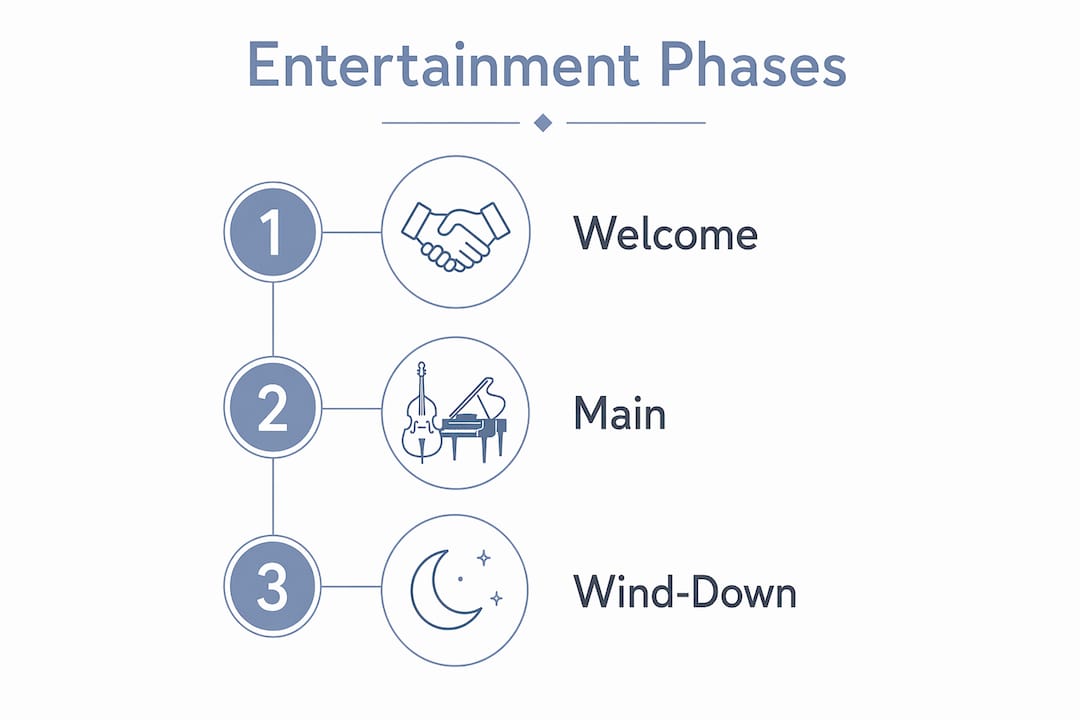
The phased entertainment approach is the single most effective structure for a live music party. 2026 industry guidance identifies three distinct phases: welcome, main, and wind-down. Each phase serves a different emotional purpose, and ignoring the structure leads to energy crashes and disengaged guests.
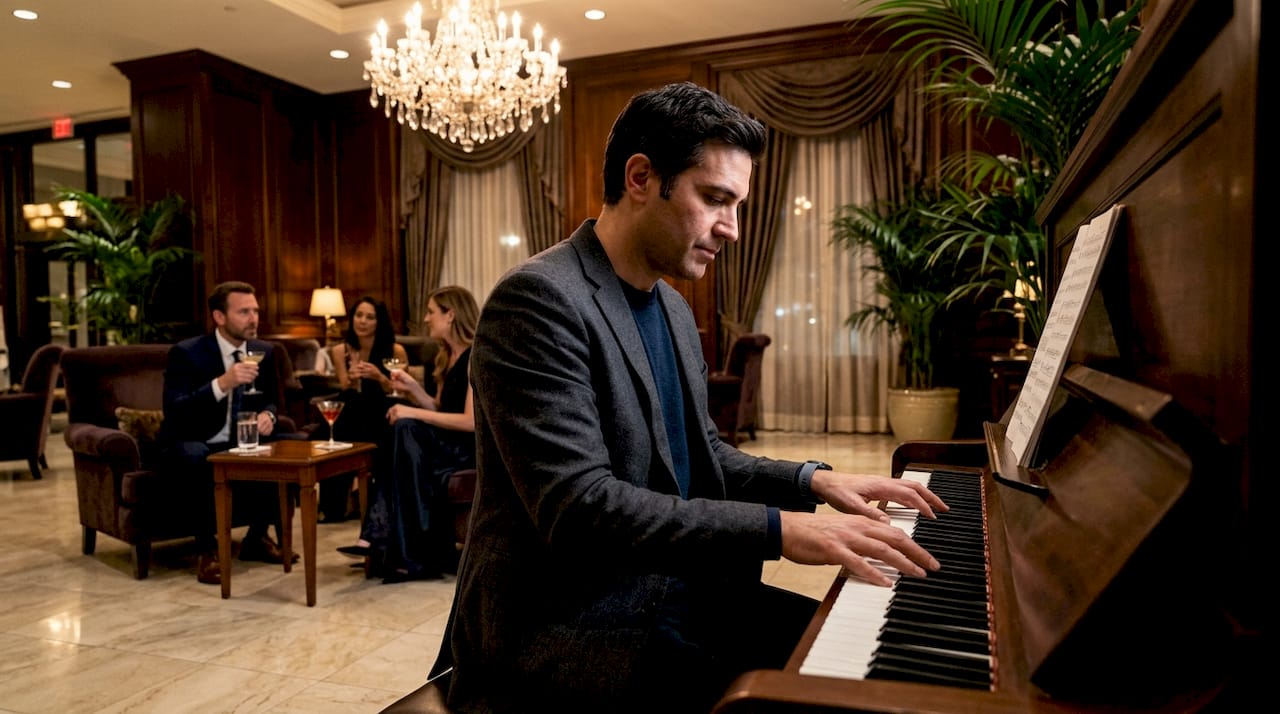
The welcome phase sets the tone. Soft jazz, acoustic sets, or a solo piano performance works well here. Guests are arriving, finding their footing, and forming first impressions. The goal is warmth, not spectacle.
The main phase is where the energy peaks. A full jazz trio, swing band, or DJ set drives dancing and social interaction. This is the phase where smooth transitions between sets matter most. A dead silence between performers can kill momentum in under two minutes.
The wind-down phase is often overlooked. Returning to softer, more intimate music signals the natural close of the evening without forcing guests out. It also ends the event on a high emotional note, which shapes how guests remember the entire night.
| Phase | Entertainment type | Guest goal |
|---|---|---|
| Welcome | Solo piano, acoustic duo | Comfort and arrival |
| Main | Jazz trio, swing band, DJ | Energy and dancing |
| Wind-down | Soft ensemble, ambient set | Emotional closure |
Pro Tip: Schedule a brief five-minute break between the main and wind-down phases. Use it for a host toast or a short announcement. It resets guest attention before the final act.
For a deeper look at structuring music across an entire evening, the dinner to dancing planning guide from Alexlevinmusic walks through timing in detail.
What ambiance elements make a live music party feel immersive?
Ambiance is not decoration. It is the physical environment that shapes how guests feel before a single note is played. Comfortable seating and thoughtfully designed spaces directly improve guest satisfaction and increase social sharing after the event.
The most effective ambiance choices for live music parties include:
- Lounge seating clusters. Grouping chairs and sofas in small circles encourages conversation and creates a sense of intimacy. Guests who feel comfortable stay longer and engage more.
- String lights and warm lighting. Overhead fluorescent light kills atmosphere instantly. Warm Edison bulbs, string lights, or candles signal that this is a special occasion.
- Thematic decor tied to the music style. A jazz night benefits from art deco touches, deep colors, and vintage poster prints. A tropical swing party calls for lanterns, greenery, and rattan furniture.
- Clear sightlines to the performers. Guests who cannot see the musicians disengage quickly. Arrange seating so the stage is visible from at least 80% of the room.
- Sound zoning. Place quieter conversation areas away from the main speakers. Guests who want to talk should not have to shout. This keeps both groups happy.
Large-scale live music events have proven that multi-layered environments, including pop-up experiences and themed zones, drive deeper guest engagement. The same principle scales down to private parties. A single well-designed corner with a photo backdrop and themed props can anchor the entire visual identity of your event.
Pro Tip: Arrive at the venue two hours before guests do. Walk the room as a guest would. Identify any sight, sound, or comfort issue before it becomes a complaint.
How does interactive entertainment boost guest engagement?
Interactive entertainment outperforms passive entertainment for guest engagement. Phase-specific interactive elements like photo booths, DIY stations, and karaoke segments create participation rather than observation. Participation builds memory.
The most effective interactive additions for a live music party are:
- Photo booths with themed props. Place the booth near the performance area so guests capture the music as part of the backdrop. Props tied to the music genre, such as feather boas for a jazz night, add personality.
- Guest musician participation moments. Invite a guest to shake a tambourine, join a percussion circle, or request a song directly from the stage. These moments become the stories guests retell for years.
- Karaoke segments. Schedule karaoke during the wind-down phase when inhibitions are lower. Keep it short, two or three songs maximum, so it stays fun rather than dragging.
- DIY cocktail or mocktail stations. Pair the station with the music theme. A jazz night pairs naturally with a classic cocktail bar where guests mix their own old-fashioneds.
The key to interactive entertainment is timing. Introduce each element at a natural pause in the music, not over the top of a performance. Guests should feel invited, not interrupted.
Pro Tip: Assign one staff member or trusted friend to each interactive station. An unmanned photo booth collects dust. A staffed one draws a crowd.
For a full breakdown of flawless event execution, Alexlevinmusic covers the logistics from booking through the final encore.
How do you select live musicians who create emotional connections?
Musician selection is the highest-leverage decision in live music party planning. The right performer does not just fill time. They generate what University at Buffalo researchers call collective effervescence, a shared emotional state that bonds guests together and extends well-being beyond the event itself.
Choosing the right musician starts with matching style to audience. A jazz trio works for cocktail receptions and corporate gatherings where conversation is part of the experience. A swing band drives dancing at milestone birthday parties and wedding receptions. A string quartet adds elegance to ceremonies and formal dinners. A DJ set suits high-energy celebrations where continuous rhythm matters more than acoustic texture.
Beyond style, consider how the musician interacts with the room. Live music fosters group social bonding in ways that recorded playlists cannot replicate. A performer who reads the crowd, adjusts tempo, and responds to energy shifts in real time is worth far more than one who plays a fixed set list regardless of the room's mood.
| Musician type | Best event fit | Key strength |
|---|---|---|
| Jazz trio | Cocktail hour, corporate dinner | Conversation-friendly, sophisticated |
| Swing band | Wedding reception, milestone birthday | High energy, dancing, crowd interaction |
| String quartet | Ceremony, formal dinner | Elegance, emotional depth |
| Solo piano | Intimate gathering, background ambiance | Versatile, unobtrusive |
| DJ | High-energy celebration, after-party | Continuous rhythm, broad repertoire |
Alexlevinmusic specializes in matching ensemble type to event context, offering jazz trios, string quartets, solo piano, and DJ services across Philadelphia, New York, and surrounding areas. Knowing why live music beats a playlist is the first step toward making the right booking decision.
You can also find inspiration in how other live music artists approach performance and audience connection, such as the work of Rajib Karmakar, whose multi-genre approach demonstrates how musical personality shapes the listener experience.
What are the most common live music party challenges?
Even well-planned events hit friction points. Balancing sound quality, guest flow, timing, and energy requires proactive planning, not reactive fixes on the night.
The most common challenges and how to address them:
- Sound bleed between zones. If your venue has multiple rooms, test speaker placement before guests arrive. Sound that bleeds into a quiet conversation area frustrates guests and pulls them away from the event.
- Energy dips between sets. Fill performer breaks with curated background music at a lower volume. Never let the room go silent for more than 90 seconds.
- Guest flow bottlenecks. Identify where guests naturally cluster, typically near the bar and the stage, and design the room layout to prevent crowding in those spots.
- Timing misalignment. If dinner runs long, the main entertainment set gets compressed. Build 15-minute buffer windows into every phase transition.
- Engagement drops late in the evening. Introduce a surprise element, a guest performer, a song dedication, or a spontaneous dance circle, to re-energize the room.
Pro Tip: Send a post-event survey to guests within 24 hours. Ask two questions: what was the highlight, and what would they change? The answers will shape every future event you plan.
Incorporating interactive and immersive elements from the start of planning, rather than adding them as afterthoughts, prevents most of these issues before they arise.
Key Takeaways
A great guest experience at a live music party requires phased entertainment, intentional ambiance, and interactive participation working together from the first note to the last.
| Point | Details |
|---|---|
| Phase your entertainment | Structure events into welcome, main, and wind-down phases to sustain energy and emotional flow. |
| Design ambiance with purpose | Lighting, seating, and decor should reflect the music style and maximize guest comfort. |
| Add interactive moments | Photo booths, guest participation, and themed stations create memories that passive entertainment cannot. |
| Match musicians to your audience | Choose ensemble type based on event format, guest demographics, and desired energy level. |
| Plan for friction points | Build buffer time, test sound, and prepare a surprise element to handle energy dips. |
What I have learned from planning live music nights
Most event organizers focus on the performer and forget the room. I have watched technically excellent musicians play to disengaged crowds simply because the seating arrangement forced guests to face away from the stage. The physical environment shapes the emotional experience before the music starts.
The concept of collective effervescence is real, and I have seen it happen in rooms of 20 people just as powerfully as in rooms of 200. When a jazz trio locks into a groove and guests start making eye contact with each other, something shifts. The event stops being a party and becomes a shared moment. That is what hosts are actually paying for, not just background sound.
My honest observation after years of planning live music events: the hosts who get the best results are the ones who treat the musician as a collaborator, not a vendor. Share your guest list demographics, your timeline, and your energy goals before the event. A skilled performer will use that information to shape their set in ways that no contract rider can specify.
Guest expectations in 2026 have shifted toward experience over spectacle. Guests want to feel something, not just witness something. The events that deliver that feeling are the ones built around emotional intention, not just a performance schedule.
— Alex
Live music expertise that makes your party unforgettable
Planning a live music party that genuinely moves guests takes more than booking a band. It takes the right ensemble for your audience, a thoughtful room design, and a performance that responds to the room in real time.
Alexlevinmusic brings jazz trios, string quartets, solo piano, and DJ services to private parties, weddings, and corporate events across Philadelphia, New York, and beyond. Every booking includes direct consultation to match the musical style and energy to your specific event. If you want to understand what makes live music special before you book, that resource covers the emotional and social science behind why live performance outperforms every alternative. For a full look at available ensembles and services, visit the Alexlevinmusic services page.
FAQ
What is the most important factor in live music party guest experience?
The most important factor is matching the entertainment type and energy to the specific audience and event format. A well-chosen ensemble that reads the room creates collective emotional engagement that no playlist can replicate.
How many entertainment phases should a live music party have?
Three phases work best: a welcome phase with softer music, a main phase with peak energy, and a wind-down phase that closes the evening on a positive emotional note.
How do interactive elements improve a live music event?
Interactive elements like photo booths, guest participation moments, and themed stations shift guests from observers to participants. Participation creates stronger memories and higher overall satisfaction.
What musician type works best for a private party?
A jazz trio suits cocktail-style gatherings and intimate dinners, while a swing band or DJ set drives dancing at larger celebrations. The right choice depends on guest count, venue size, and desired energy level.
How do you prevent energy dips at a live music party?
Fill performer breaks with low-volume background music, build 15-minute buffer windows between phases, and prepare a surprise element, such as a song dedication or guest performer, to re-energize the room when momentum drops.