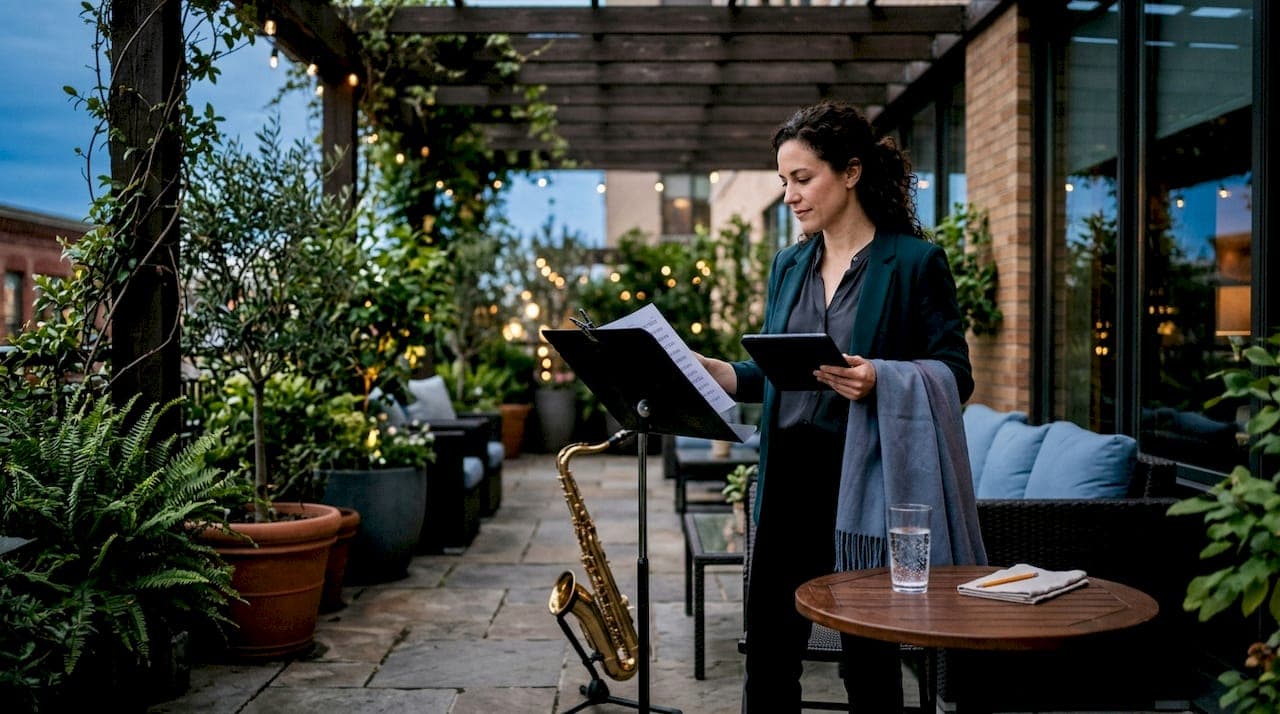
Live music customization is the practice of tailoring every element of a performance, from song selection to stage presence, to match the specific atmosphere, audience, and goals of a private event. Generic playlists cannot replicate this. A skilled musician reads the room, adjusts in real time, and builds an experience that feels personal to every guest in it. Understanding how musicians customize private events gives you a real advantage when planning a gathering that people will remember. Alexlevinmusic specializes in exactly this kind of tailored, live performance experience, serving clients across Philadelphia, New York, and beyond.
How musicians customize private events: formats for every size
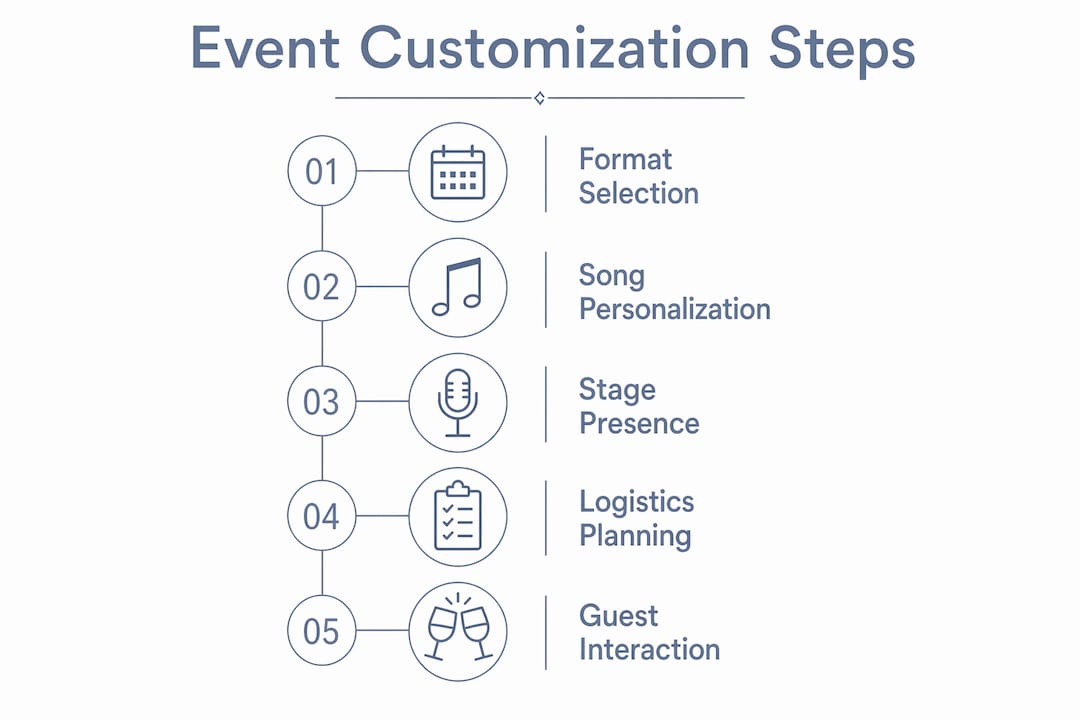
The first decision in musician event customization is format. The right format depends on how many guests you have, how the space is arranged, and what kind of energy you want to create.
For intimate events of 10–20 guests, professionals often forgo traditional stage setups in favor of strolling or close-up performance styles. A solo guitarist or jazz pianist moving through a cocktail hour creates a warm, personal atmosphere that a fixed stage simply cannot match. Guests interact with the performer naturally, and the music becomes part of the conversation rather than a backdrop to it.
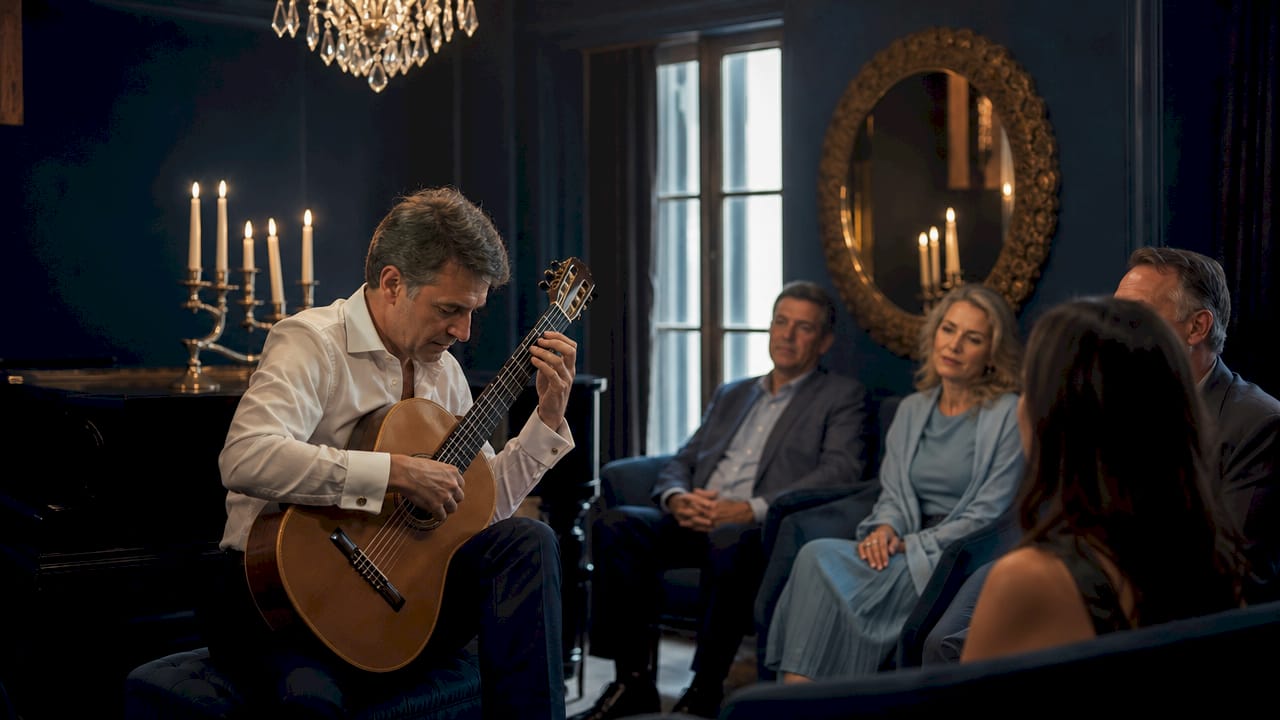
Mid-sized gatherings of 30–80 guests call for a different approach. Stand-up sets of 15–60 minutes work well here, with performers building energy arcs that move from relaxed to celebratory as the night progresses. A jazz trio anchored near the dining area, for example, can shift from soft background standards during dinner to upbeat swing numbers as guests finish their meals and start mingling.
Larger or more formal private events, such as milestone birthday galas or corporate celebrations, benefit from full band productions or themed performances. These formats give the host more control over pacing and spectacle. Immersive, theme-driven performances are designed to fit the client's vision and create a cohesive event atmosphere from arrival to final toast.
| Format | Best event size | Typical duration |
|---|---|---|
| Strolling or close-up | 10–20 guests | Continuous, 1–2 hours |
| Stand-up set | 30–80 guests | 15–60 minutes per set |
| Full band or themed production | 80+ guests | 2–4 hours with breaks |
| Solo instrument (piano, guitar) | Any size | Flexible, 1–3 hours |
Pro Tip: Book your format before you finalize your venue layout. A strolling performer needs open floor space, while a full band needs a dedicated stage area and power access.
How do musicians personalize song selection for private events?
Setlist customization is where live music for private events becomes truly personal. The process starts with a direct conversation between the musician and the host, well before the event date.
Clients can specify must-play and do-not-play lists, special occasion songs, and preferred genres to shape the entire setlist structure. This removes the guesswork and gives the musician a clear creative brief. A host planning a 1970s-themed anniversary party, for instance, can request specific artists and eras, and a skilled musician will build a cohesive program around those anchors.
Cultural heritage and family traditions add another layer of depth. A musician who incorporates a grandmother's favorite song, a culturally significant melody, or a piece tied to a family milestone creates a moment that no playlist algorithm can generate. These touches are the ones guests talk about for years.
Technology has made the request process more organized. Live performers now manage song requests through QR codes and online portals, allowing guests to submit preferences in real time during the event. Pre-event, many musicians use client portals or apps to collect and organize requests into a structured, cohesive setlist.
Key elements of a well-customized setlist include:
- Must-play songs: Specific tracks tied to the host's personal story or event theme
- Do-not-play list: Songs that clash with the tone or carry unwanted associations
- Genre anchors: Two or three dominant styles that define the evening's sound
- Milestone moments: A first dance, a toast song, or an entrance piece timed to a specific event beat
- Crowd-pleasers: Familiar songs that invite participation and keep energy high
Pro Tip: Send your musician a short playlist of songs you love, not just a list of titles. Hearing your taste helps them fill gaps in the setlist with choices you will actually enjoy.
How do musicians adjust their stage presence and guest interaction?
Customizing interaction is just as important as customizing the music itself. A performer who reads the room and adjusts their energy level creates a far more memorable experience than one who delivers the same show regardless of the crowd.
Performers calibrate their comedy, storytelling, and audience engagement from sharp and sophisticated to high-energy and interactive depending on the crowd's demographics and the event's tone. A corporate dinner for senior executives calls for understated wit and polished delivery. A 50th birthday party with a multigenerational guest list calls for something warmer and more inclusive.
The choice between roaming and anchored performance also shapes the guest experience significantly. A roaming musician creates spontaneous moments of connection, approaching tables and engaging individuals directly. An anchored performer on a small stage commands more attention and suits events where the music is meant to be the focal point rather than ambient texture.
Timing matters as much as style. Skilled musicians coordinate their interactive moments to complement the event program, not compete with it. They hold back during toasts and speeches, then lift the energy immediately after. They read the shift from dinner to dancing and adjust their tempo and volume accordingly.
Interaction adjustments by event segment:
- Cocktail hour: Light, conversational energy; roaming or background presence
- Dinner service: Moderate volume; storytelling or soft introductions between songs
- Toast and speeches: Complete silence or very soft underscore; full attention to speakers
- Dancing: High energy; direct crowd engagement, call-and-response, and requests
Choosing the right musician for your audience means thinking about these interaction layers before you book, not after.
What logistical customization do musicians offer for private events?
Planning and logistics are where customizing event performances becomes a true collaboration. Musicians who work regularly with private events treat coordination as part of their service, not an afterthought.
Artists coordinate with event planners to align performance length, timing, and equipment needs with event flow and venue logistics. Set lengths, breaks, and sound levels are all tailored to suit cocktail hours, dinners, and dancing segments, creating a program that feels intentional from start to finish.
Sound level customization deserves special attention. A musician who plays at dinner volume during cocktails, or at cocktail volume during dancing, disrupts the entire event flow. Experienced performers adjust their output for each phase of the evening, sometimes using different instrument configurations or acoustic versus amplified setups to match the room's needs.
Logistical coordination also includes:
- Arrival and setup timing: Musicians typically arrive 60–90 minutes before guests to allow for sound checks without disrupting the venue's preparation.
- Discreet entry: Professionals often arrive through service entrances and coordinate closely with planners to respect guest privacy and venue protocols.
- Break scheduling: Set breaks are timed to align with meal courses, speeches, or other planned activities so there is never an awkward silence at a key moment.
- Transition cues: Musicians work from a shared timeline with the event planner, receiving cues for when to start, stop, or shift energy.
- Contingency planning: Experienced performers prepare backup equipment and alternate setlists for unexpected changes in event flow.
For event planners managing complex timelines, pairing live music with broader guest engagement strategies creates a more layered and memorable experience overall.
Key Takeaways
Musician customization transforms private events by aligning performance format, song selection, interaction style, and logistics with the specific needs of each gathering.
| Point | Details |
|---|---|
| Format drives atmosphere | Match the performance format to your guest count and venue layout before booking. |
| Setlists require a brief | Give musicians a must-play list, a do-not-play list, and two or three genre anchors. |
| Interaction style varies by crowd | Sophisticated audiences need understated engagement; multigenerational groups need warmth. |
| Logistics are part of the service | Coordinate arrival, sound levels, and break timing with your musician well in advance. |
| Technology improves personalization | Client portals and QR-based request tools let musicians tailor the experience in real time. |
What I've learned from years of customizing live performances
Most event planners focus on the music itself and underestimate the power of timing. The moment a musician shifts from soft jazz to an upbeat swing number, right as dessert plates are cleared, is not accidental. It is the result of a detailed pre-event conversation and a shared timeline that both the planner and the performer have agreed on.
The biggest mistake I see is when clients wait until two weeks before the event to discuss customization. By then, the musician has already committed to a general approach, and there is not enough time to source specific arrangements or rehearse milestone songs properly. The earlier you start the conversation, the more personal the result.
I also think planners undervalue the do-not-play list. Telling a musician what you do not want is just as useful as telling them what you do. One wrong song at the wrong moment can shift the entire mood of a room, and a good musician will never guess their way through that kind of minefield.
Live music outperforms playlists at private events because it responds to the room. A playlist cannot slow down when it senses the crowd needs a breath. A skilled musician can. That responsiveness is the core of what customization actually means in practice, and it is the reason guests remember a live performance long after they have forgotten the food.
— Alex
Live music that fits your event, not the other way around
Alexlevinmusic builds every performance around your event's specific needs, from the first consultation to the final note of the evening.
Whether you are planning an intimate dinner for 20 or a formal gala for 200, Alexlevinmusic offers jazz trios, string quartets, solo piano, and DJ services across Philadelphia, New York, and surrounding areas. Every booking includes a detailed planning conversation to align song selection, format, and timing with your vision. If you want to understand what makes live music the right choice for your next private event, the answer starts with a conversation. Reach out to Alexlevinmusic to discuss your event and get a customized performance plan.
FAQ
How far in advance should I contact a musician for a private event?
Contact your musician at least 6–8 weeks before the event to allow time for setlist planning, arrangement sourcing, and logistical coordination. Complex events with milestone songs or themed productions may require more lead time.
Can musicians learn specific songs for my event?
Most professional musicians will learn specific songs on request, provided they receive the request with enough lead time. Share recordings and sheet music when possible to speed up the process.
What information should I give a musician before my private event?
Provide a must-play list, a do-not-play list, the event timeline, venue details, and the names of any key moments such as a first dance or entrance. The more context you give, the more precisely the musician can tailor the performance.
How do musicians handle song requests during the event?
Many performers now use QR code portals that allow guests to submit requests digitally in real time. The musician reviews and filters these requests to maintain the setlist's overall flow and tone.
What is the difference between background music and a featured performance?
Background music sits at a volume and energy level that supports conversation without demanding attention. A featured performance is designed to be the focal point of a specific event segment, such as a post-dinner set or a dance floor opener. Most private events use both, and a skilled musician transitions between the two based on the event timeline.