
Poor music planning is the single most preventable cause of a flat wedding reception. Common wedding music mistakes range from ignoring a do-not-play list to front-loading every dance hit before dinner even ends. The result is always the same: guests drift off the floor, energy crashes, and the night loses its shape. Building a moment-focused playlist from the start, and partnering with a professional entertainer who can read the room, are the two habits that separate a forgettable reception from one guests talk about for years.
1. What are the most common wedding music mistakes couples make?
Starting with songs instead of moments is the root cause of most music planning errors. When you build a playlist by picking favorite tracks first, the reception feels like a random shuffle rather than a scored event. The fix is to map each moment, such as the processional, cocktail hour, first dance, and last song, before choosing a single track.
The second most common error is skipping the do-not-play list. A written do-not-play list prevents songs with negative associations, inappropriate lyrics, or overplayed clichés from reaching the speakers. Without one, even the most experienced DJ is guessing.
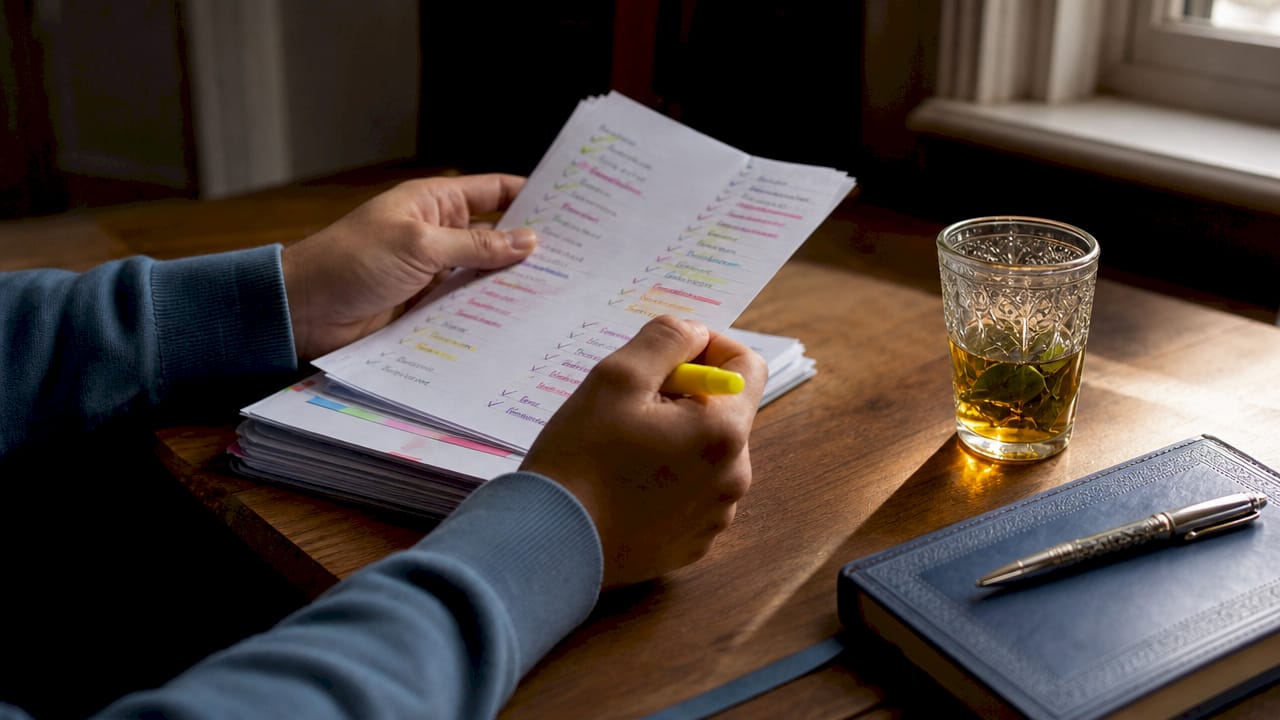
Choosing songs purely on personal taste, without considering guest demographics, is the third major pitfall. A playlist built entirely around one couple's niche favorites can leave older relatives and younger cousins with nothing to respond to. Music selection errors like this empty dance floors faster than almost anything else.
Pro Tip: Write your moment map before you open a single streaming playlist. List every segment of the day, assign a mood to each, and only then start filling in song titles.
2. How to balance personal taste with guest enjoyment
Mixing eras and genres keeps energy high and appeals across age groups. A reception that moves from Motown to current pop to classic rock gives every guest at least one moment that pulls them to the floor. Over-curating around one decade or style is a music selection error that narrows your audience immediately.
Sharing both a must-play list and a do-not-play list with your entertainer is the most effective wedding music tip you can act on before the event. These two documents give your DJ or band a clear creative boundary without locking them into a rigid script.
"A great wedding DJ knows how to read the room and blend your favorites with guest requests to keep the floor full all night." — Dave Schaffer, owner of Schaffer Sound
Rigid playlists are a live music faux pas that even great entertainers cannot fix. Giving your entertainer freedom to adapt to crowd reactions is what separates a good reception from a great one. Trust is part of the contract.
- Share a must-play list of 10–15 songs your entertainer should work in.
- Share a do-not-play list of any songs that carry negative meaning or that you simply dislike.
- Specify genres or eras you want represented, not just individual tracks.
- Allow your entertainer to add crowd-responsive songs outside your list.
- Avoid approving every single song in advance. That removes the entertainer's ability to react live.
3. Timing and pacing mistakes that derail receptions
Playing high-energy dance tracks during cocktail hour peaks your energy too early. The transition to dinner then feels like a letdown, and guests arrive at the reception already fatigued from dancing. Cocktail hour music needs to be upbeat enough for mingling but relaxed enough for conversation.
The most successful receptions build momentum gradually, starting mellow during arrivals and dinner and building to peak dance floor energy in the last 2–3 hours. Front-loading your favorite high-energy tracks destroys that arc. Think of the reception as a concert with an opening act, a middle set, and a closing peak.
Under-planning dinner music is an equally common wedding playlist mistake. Many couples spend hours on the first dance and forget that guests sit through 45–60 minutes of background music during the meal. Dinner music sets the emotional tone for the entire evening and deserves the same attention as the dance floor set.
Pro Tip: Assign a mood word to each reception segment: "warm and conversational" for cocktail hour, "elegant and relaxed" for dinner, "celebratory" for dancing. Give those mood words to your entertainer alongside your song lists.
| Reception segment | Common pacing mistake | Better approach |
|---|---|---|
| Cocktail hour | Playing peak-energy dance hits | Choose upbeat but conversational background music |
| Dinner | Ignoring background music entirely | Curate a 45–60 minute set with consistent mood |
| Early dancing | Front-loading all favorite tracks | Build energy gradually with mid-tempo openers |
| Peak dancing | Mixing slow songs randomly | Cluster slow songs intentionally, not at random |
| Closing | Ending without a planned final song | Choose a closing track that signals a clear, joyful end |
4. Song choices and playlist behaviors to avoid
Ignoring lyrics is one of the most damaging music planning errors a couple can make. Listening to full lyrics and reflecting on their meaning is necessary before adding any song to a wedding playlist. A track that sounds celebratory can carry lyrics about heartbreak, loss, or conflict that land awkwardly during an emotional moment.
The last song of the night carries more weight than most couples realize. Choosing a closing song with intention creates a feeling of arc and completeness. A weak or random final track leaves guests with a flat final impression, no matter how well the rest of the night went.
Overplayed wedding party songs are a subtler problem. Guests have heard certain tracks at dozens of receptions. Playing them signals a lack of thought and can make your celebration feel generic. The goal of music planning for weddings is to create a night that feels personal, not templated.
- Avoid songs with lyrics about breakups, infidelity, or loss, even if the melody is upbeat.
- Steer clear of tracks so overplayed that guests groan rather than cheer.
- Never skip planning the processional. It sets the emotional tone for the entire ceremony.
- Choose a final song deliberately. It is the last thing guests hear and remember.
- Check the cultural context of any song you are not fully familiar with before adding it.
5. Neglecting professional guidance and live music advantages
Live musicians and DJs adapt timing, energy, and song choices dynamically to the crowd in real time. A static playlist cannot do that. When the dance floor starts to thin, a skilled entertainer reads the signal and adjusts immediately. That adaptability is the single biggest advantage of hiring a professional over relying on a streaming playlist.
Couples who skip professional guidance often underestimate how much technical knowledge goes into music planning for weddings. Volume levels, microphone placement for toasts, timing transitions between ceremony and reception, and managing guest requests on the fly are all skills that take years to develop. Trying to manage all of that yourself adds stress to a day that should feel effortless.
Working with an experienced entertainer also protects you from the common music choices that couples default to under pressure. A professional has seen what works across hundreds of events and can steer you away from decisions you might regret. That experience is worth more than any playlist-building app.
6. Overlooking ceremony music as a separate planning category
Ceremony music and reception music are two completely different disciplines. Many couples treat them as one continuous task and end up under-planning the ceremony. The processional, recessional, and any interlude music each serve a distinct emotional function and deserve individual attention.
The processional sets the emotional tone for the entire wedding. A song chosen carelessly, or one with lyrics that contradict the moment, can undercut the ceremony before it begins. Ceremony music requires the same moment-mapping approach as the reception, applied to a much shorter and more emotionally concentrated timeline.
Acoustic or live instrumentation during the ceremony creates a presence that recorded music cannot replicate. A string quartet or solo piano fills a space differently than a speaker system. The physical resonance of live sound adds a layer of emotion that guests feel as much as hear.
7. Ignoring volume and accessibility for all guests
Volume is a wedding music tip that almost never appears on planning checklists. Music that is too loud during dinner makes conversation impossible and pushes older guests away from the room. Music that is too soft during dancing kills momentum. Both are common music choices that entertainers should be briefed on in advance.
Guests with hearing sensitivities, young children, and elderly relatives all have different thresholds. A professional entertainer calibrates volume by segment, raising it gradually as the night progresses rather than setting one level and leaving it. Discussing this with your entertainer during the planning phase prevents complaints during the event.
Accessibility also means thinking about physical placement. Guests seated near speakers experience the music very differently than those at the back of the room. Your entertainer should walk the venue before the event to assess speaker placement and sound distribution.
Key takeaways
Avoiding common wedding music mistakes requires deliberate moment-based planning, clear communication with your entertainer, and the flexibility to let professionals adapt to your guests in real time.
| Point | Details |
|---|---|
| Map moments before songs | Build your playlist around ceremony and reception segments, not favorite tracks. |
| Use both list types | A must-play list and a do-not-play list give entertainers clear, workable boundaries. |
| Respect the energy arc | Start mellow, build gradually, and peak in the final 2–3 hours of dancing. |
| Check lyrics carefully | Listen to full songs before adding them. Melody and meaning are not always aligned. |
| Trust your entertainer | Rigid playlists remove the adaptability that keeps a dance floor alive all night. |
What I have learned from watching couples plan wedding music
Every couple I have worked with comes in with a list of favorite songs. That is a great starting point. The problem is that most of those lists are built around the couple's listening habits, not around the shape of the evening.
The couples who end up happiest are the ones who hand me their must-play and do-not-play lists, tell me the mood they want for each part of the night, and then trust me to fill in the rest. The ones who send me a locked, song-by-song playlist for every segment almost always end up with a reception that feels mechanical. The dance floor stalls because I cannot respond to what the room is actually doing.
The most common regret I hear after the fact is not about a song that played. It is about a moment that got skipped. The processional that was never planned. The last song that just sort of happened. Those gaps come from treating music as background rather than as the emotional architecture of the day.
My honest advice: spend more time on your moment map than on your song list. Get the moments right, communicate them clearly, and let your entertainer do what they do best. That combination produces receptions that guests remember for the right reasons.
— Alex
Alexlevinmusic: professional wedding music planning that gets it right
Avoiding the pitfalls covered in this article is much easier when you work with an entertainer who has navigated them hundreds of times. Alexlevinmusic specializes in live wedding entertainment across Philadelphia, New York, and beyond, with ensembles ranging from jazz trios and string quartets to solo piano and full DJ services.
Every booking includes a detailed planning consultation where your moment map, must-play list, and do-not-play list are built together before the event. The result is a reception where the music fits every segment, the energy builds deliberately, and nothing is left to chance. Learn more about why live music outperforms a static playlist, or go directly to the wedding music planning page to start building your celebration.
FAQ
What is the biggest wedding music mistake couples make?
Starting with songs instead of moments is the most common error. Building a moment map first, then filling each segment with the right track, produces a reception that feels intentional rather than random.
How many songs should be on a do-not-play list?
There is no fixed number, but a practical do-not-play list covers songs with negative personal associations, inappropriate lyrics, and any tracks you have heard at too many other weddings. Even five to ten entries give your entertainer meaningful guidance.
Should couples control every song at their reception?
Couples should provide clear direction through must-play and do-not-play lists, but giving entertainers freedom to respond to the crowd is what keeps the dance floor full. Locking every song in advance removes that adaptability.
When should high-energy dance music start at a reception?
The best receptions build energy gradually, with peak dance floor energy arriving in the final 2–3 hours. Starting with high-energy tracks during cocktail hour or early dinner exhausts the crowd before the main celebration begins.
Does the last song of the night really matter?
The closing song shapes guests' final impression of the entire evening. Choosing it with intention creates a sense of arc and completeness that a randomly selected track cannot deliver.