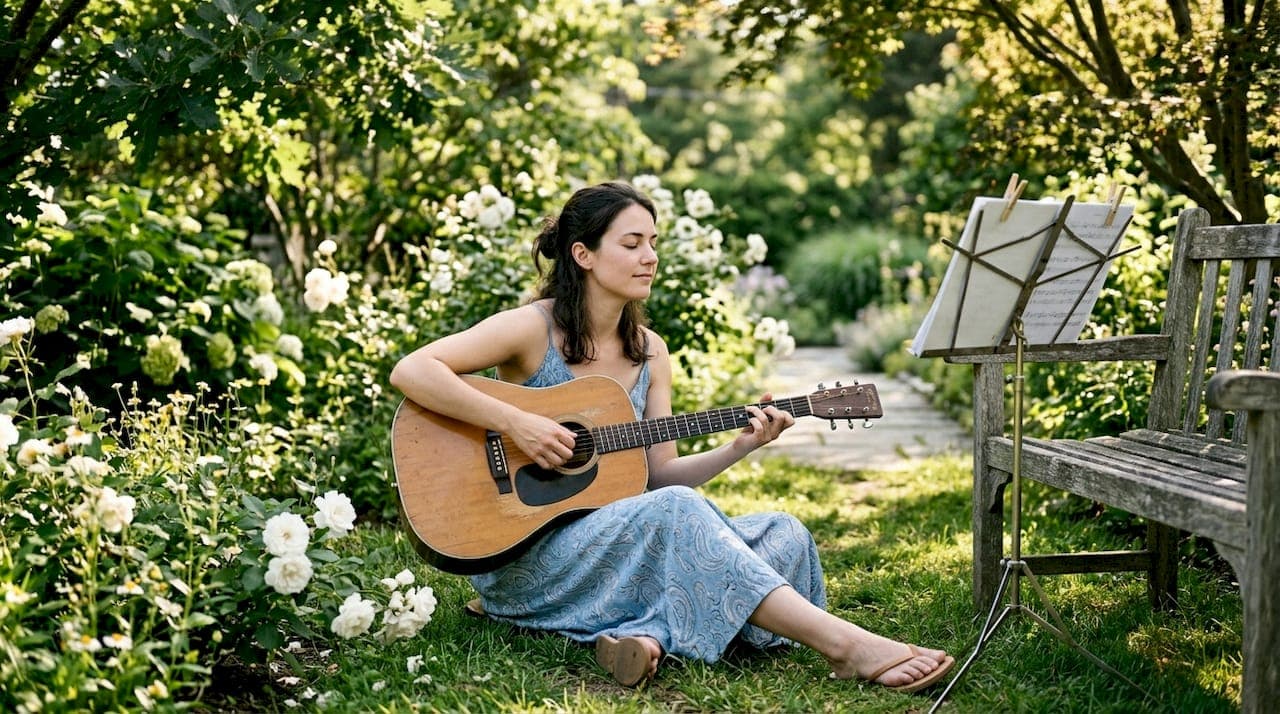
Acoustic music for a small wedding ceremony is live performance without electric amplification, producing a raw, emotional sound that fits close-knit celebrations better than any playlist ever could. The stripped-down quality of acoustic instruments creates a natural intimacy that fills a small venue without overwhelming it. Acoustic music provides a breath of fresh air during high-emotion moments, keeping all attention on the couple rather than the production. Alexlevinmusic has worked with couples across Philadelphia and New York who consistently report that a single acoustic guitarist or a cello duo moved their guests more deeply than a full band would have. This guide walks you through everything: atmosphere, song selection, performer formats, and ceremony timing.
How acoustic music creates intimacy at a small wedding ceremony
Acoustic music works in small ceremonies because the sound is proportional to the space. A solo guitar or piano fills a room of 20–50 guests without the compression and volume management that amplified systems require. That natural balance lets guests hear every nuance, every breath between notes, and every harmonic overtone. The result is a listening experience that feels personal rather than performed.
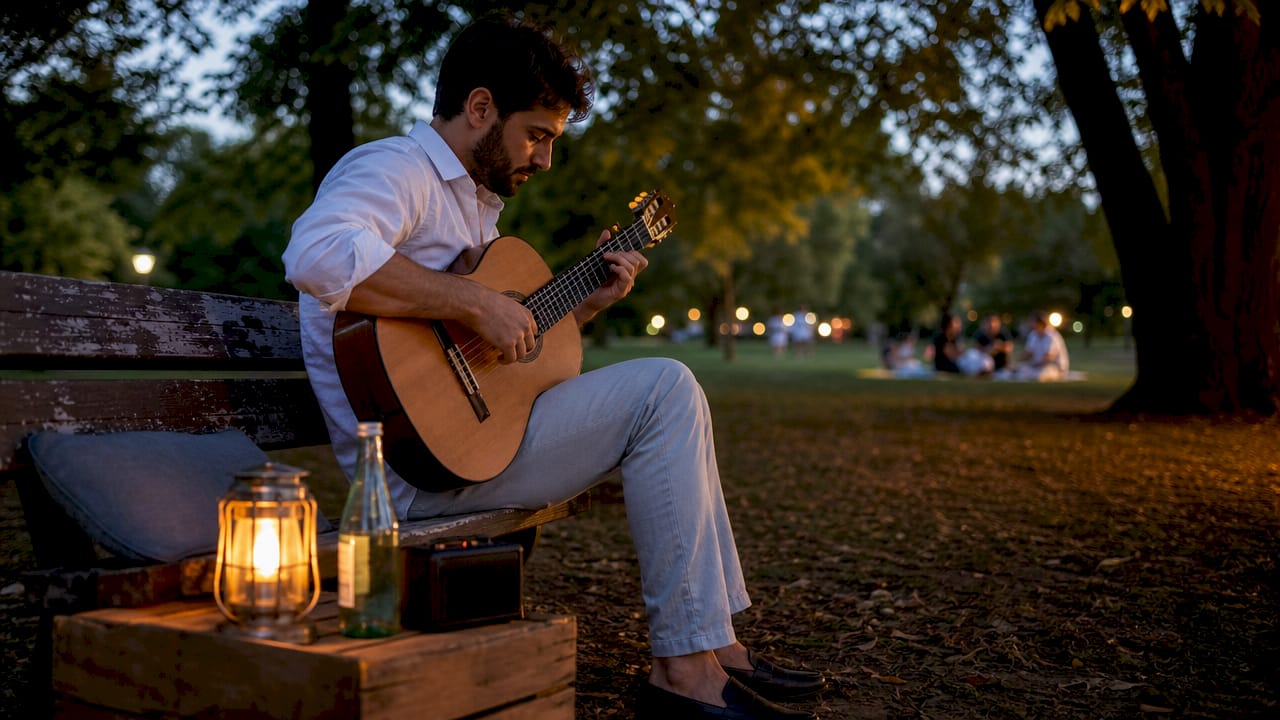
The emotional connection acoustic music builds is not accidental. Acoustic versions focus attention directly on the couple's words and the ceremony's meaning, rather than on production spectacle. When a cellist plays softly during a ring exchange, the silence between phrases carries as much weight as the notes themselves. That dynamic is nearly impossible to replicate with a speaker system.
Acoustic instruments popular at intimate ceremonies include:
- Solo acoustic guitar: Warm, portable, and versatile across folk, classical, and pop styles
- Cello or violin: Rich tone that carries beautifully in small indoor spaces and garden settings
- Solo piano or keyboard (acoustic): Ideal for venues with a house instrument; adds formal elegance
- Guitar and violin duo: Blends warmth and brightness for a full sound without a large ensemble
- Fingerstyle guitar: A fingerpicking technique that produces layered melody and bass simultaneously, perfect for processionals
"Acoustic wedding music should be engineered to preserve emotional tension and clarity, especially outdoors, focusing on minimal soundscapes and the space between notes." This principle, drawn from the neo-classical performance tradition, explains why Ludovico Einaudi's works like Nuvole Bianche and I Giorni have become widely chosen for acoustically focused weddings in 2026.
Outdoor ceremonies present a specific challenge. Sound disperses quickly in open air, and echo-prone stone venues can blur melodic lines. Live acoustic performers adapt in real time, adjusting dynamics and phrasing to the space in ways a recorded track cannot. That adaptability is one of the clearest advantages of live music over a playlist for any ceremony setting.
What acoustic songs work best for a small wedding ceremony?
Song selection is where couples most often get stuck. The good news is that the acoustic format is flexible enough to handle almost any genre with the right arrangement.
Ed Sheeran's Perfect and Coldplay's Yellow remain the most requested acoustic ceremony songs in 2026. Taylor Swift, Ray LaMontagne, and The Lumineers also appear frequently on ceremony setlists. These artists translate naturally to acoustic guitar because their original recordings already lean toward stripped-down arrangements.
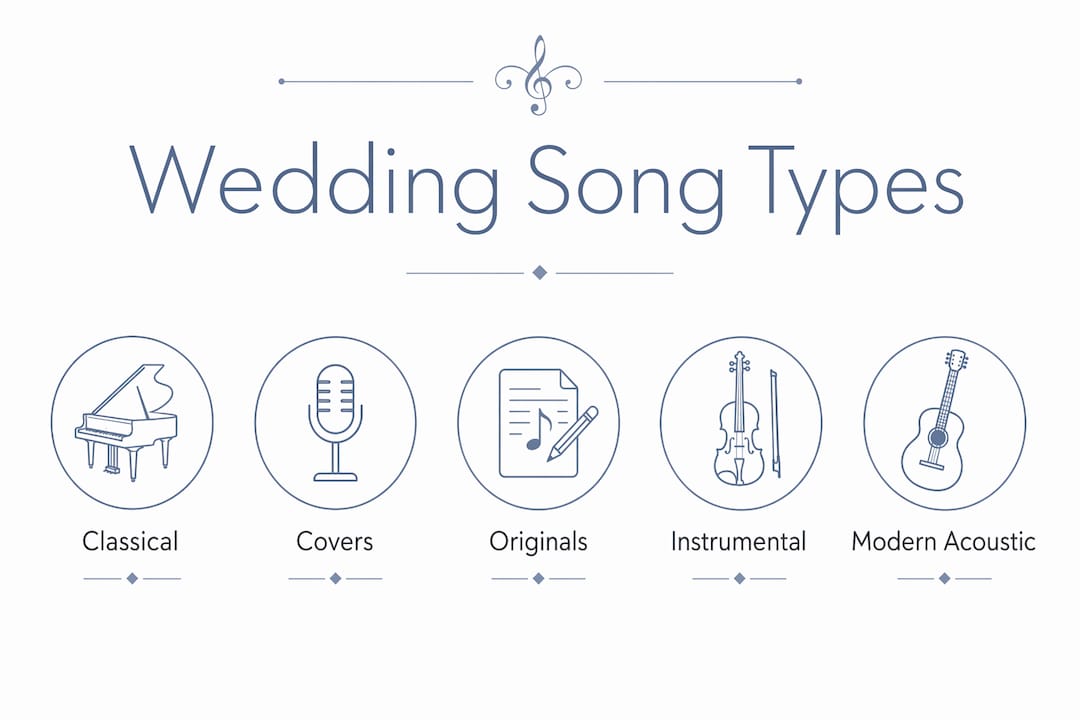
Modern acoustic covers of well-known songs transform familiar melodies into something that feels uniquely yours. Artists like Boyce Avenue and Music Travel Love have built entire catalogs of acoustic reinterpretations that maintain the emotional pull of the original while sounding fresh in a ceremony context.
Classical and neo-classical options offer a different kind of depth. Brahms intermezzos and works by composers like Jennifer Higdon provide a warm, airy atmosphere that stands apart from overplayed wedding marches. Professional cellists specifically highlight these underrated pieces as tools for creating a unique ceremony sound. Ludovico Einaudi sits in a middle ground, blending classical structure with contemporary emotion, making his pieces accessible to guests who do not typically listen to classical music.
| Song category | Mood | Tempo | Best ceremony moment |
|---|---|---|---|
| Classical (Brahms, Einaudi) | Reflective, warm | Slow | Processional, unity candle |
| Contemporary acoustic (Ed Sheeran, LaMontagne) | Romantic, personal | Moderate | Processional, signing |
| Folk and indie (The Lumineers, Taylor Swift) | Joyful, intimate | Moderate to upbeat | Recessional |
| Instrumental fingerstyle covers | Elegant, understated | Variable | Prelude, guest seating |
| Vintage ballads (jazz standards, bossa nova) | Sophisticated, timeless | Slow to moderate | Unity moment, postlude |
Pro Tip: Ask your musician to prepare two or three tempo variations of your processional song. Ceremony pacing rarely matches rehearsal timing, and a skilled acoustic performer can stretch or compress a piece by 30–60 seconds without it sounding rushed or padded.
Avoid choosing songs solely because they are popular. The acoustic format rewards personal meaning. A song that matters to you will land harder than a trending pick that has no connection to your relationship.
How to find and work with live acoustic musicians for your ceremony
The most common acoustic formats for small weddings are solo musicians, duos, and trios. Each format has a different relationship between sound coverage and intimacy.
- Solo musician (guitar, cello, or piano): The most intimate option. Sound stays contained, and the performer can respond to ceremony pacing with maximum flexibility. Best for ceremonies under 40 guests.
- Duo (guitar and violin, or guitar and cello): Adds harmonic richness without increasing volume significantly. Works well for ceremonies of 40–80 guests in a mid-size indoor or garden setting.
- Trio: Introduces a fuller sound and allows for more complex arrangements. Appropriate when the venue has natural reverb or when you want the music to carry across a larger outdoor space.
When evaluating performers, ask for a video of a live ceremony performance, not a studio recording. Studio recordings do not reflect how a musician handles real-time pacing, transitions, or unexpected pauses. Ask specifically whether they have experience with ceremony music coordination, including cueing from an officiant or wedding coordinator.
Repertoire depth matters more than most couples realize. A performer with 50 songs in their catalog will handle last-minute changes and extended prelude times far better than one with 15. Request a full repertoire list before signing any agreement.
Pro Tip: For outdoor ceremonies, ask your musician whether they carry a small acoustic amplifier as a backup. A quality acoustic amp set to low volume preserves the natural tone of the instrument while adding just enough projection for guests seated beyond the third row.
Setlist customization is a standard expectation for professional acoustic performers. Share your must-play songs, your do-not-play list, and the emotional tone you want for each ceremony moment. A good musician treats this information as a brief, not a suggestion. Alexlevinmusic, for example, builds custom ceremony setlists based on the couple's style, venue, and ceremony structure before any event.
How to integrate acoustic music into your ceremony schedule
Coordinating acoustic music timing with ceremony flow is the single most overlooked element of wedding music planning. Poor timing creates awkward silence or music that runs over an officiant's cues. Good timing makes the ceremony feel like a single, continuous emotional experience.
The four ceremony moments that benefit most from acoustic music are:
- Prelude (15–20 minutes before the ceremony begins): Soft instrumental pieces as guests are seated. This sets the emotional tone before a word is spoken.
- Processional: The moment the wedding party and couple enter. Choose a piece with a clear, steady pulse that matches a natural walking pace.
- Unity moment (candle lighting, ring warming, or sand ceremony): An instrumental piece works best here, as it supports the visual moment without competing with it.
- Recessional: The couple's exit. This is the one moment where a slightly brighter, more upbeat acoustic piece fits naturally.
| Ceremony moment | Music type | Performer cue |
|---|---|---|
| Guest seating (prelude) | Soft instrumental | Begins 15–20 minutes before start |
| Wedding party processional | Moderate tempo instrumental | Coordinator signal or visual cue |
| Couple's processional | Chosen signature song | Direct cue from coordinator |
| Unity candle or ring exchange | Quiet instrumental | Officiant verbal cue |
| Signing or reading | Vocal or instrumental | Pre-agreed timing with officiant |
| Recessional | Upbeat acoustic piece | Officiant pronouncement |
Transitions between moments are where amateur performers lose the thread. A professional acoustic musician knows how to hold a note, fade gracefully, or restart a phrase if a cue is delayed. Discuss every transition point during your planning call, not on the day. For a broader look at music planning mistakes that affect ceremony flow, it is worth reviewing common pitfalls before finalizing your schedule.
Sound balance is the other variable to address in advance. In a small venue, even an acoustic guitar can feel loud if the performer is positioned too close to the front rows. Ask your venue coordinator about the best placement for a musician relative to the seating area and the officiant's position.
Key takeaways
Acoustic music for a small wedding ceremony works because its natural, unamplified sound matches the scale of intimate spaces and keeps emotional focus on the couple throughout every ceremony moment.
| Point | Details |
|---|---|
| Format matches scale | Solo, duo, or trio formats suit 20–80 guests without overpowering the space. |
| Song selection drives tone | Choose songs with personal meaning across classical, contemporary, or folk categories. |
| Timing coordination is critical | Map music to each ceremony moment and rehearse cues with your performer in advance. |
| Live performers adapt in real time | A skilled musician adjusts pacing and dynamics in ways a recorded playlist cannot. |
| Customization is standard | Professional acoustic musicians build setlists around your style, venue, and ceremony structure. |
Why I think acoustic music is the most honest choice for a small wedding
I have played and coordinated music for hundreds of weddings across Philadelphia and New York, from ballrooms with 300 guests to garden ceremonies with 18. The moments that stay with me are almost always the quiet ones. A single cello playing Einaudi as a bride walks through a courtyard. A fingerstyle guitarist holding a note just a beat longer than expected during a ring exchange. Those moments work because the sound is real and present in the room, not processed through a speaker stack.
The trend I see most clearly in 2026 is couples moving away from the idea that more production equals more impact. A minimalist wedding ceremony with one skilled acoustic performer often lands harder emotionally than a full band setup. The reason is simple: when the sound is proportional to the space, guests stop being an audience and start being witnesses.
My honest advice is to resist the pressure to fill every silence. Acoustic music is most powerful when it knows when to stop. Choose a performer who understands that the space between notes is part of the music. That restraint is what separates a ceremony that guests remember from one they simply attended. If you want to understand more about personalized live music and why it creates lasting memories, the answer is almost always in the details that a live performer can control and a playlist cannot.
— Alex
Live acoustic music for your ceremony with Alexlevinmusic
Alexlevinmusic specializes in live acoustic and ensemble performances for intimate wedding ceremonies across Philadelphia, New York, and surrounding areas. Every ceremony package includes a custom setlist consultation, repertoire matched to your style, and performers experienced in reading ceremony pacing in real time.
Whether you want a solo cellist for a garden ceremony or a guitar and violin duo for a chapel setting, Alexlevinmusic builds the performance around your vision. The ceremony band and soloist options cover a wide range of acoustic styles, from classical to contemporary folk. For couples who want to understand exactly why live music outperforms a playlist at a wedding, that answer is worth reading before you finalize your booking.
FAQ
What is acoustic music at a wedding ceremony?
Acoustic music at a wedding ceremony is live or recorded music performed without electric amplification. It relies on the natural resonance of instruments like guitar, cello, or piano to fill the space with warm, unprocessed sound.
What are the most popular acoustic wedding songs in 2026?
Ed Sheeran's Perfect, Coldplay's Yellow, and pieces by Ludovico Einaudi such as Nuvole Bianche rank among the most requested. Taylor Swift, Ray LaMontagne, and The Lumineers are also frequently chosen for acoustic ceremony arrangements.
How many musicians do I need for a small wedding ceremony?
A solo musician suits ceremonies of up to 40 guests, while a duo or trio works well for 40–80 guests. The right format depends on venue size, outdoor versus indoor setting, and the level of sound coverage you need.
Do acoustic musicians need a sound system for small weddings?
Most acoustic musicians perform without amplification in small indoor venues. For outdoor settings or spaces with poor natural acoustics, a low-volume acoustic amplifier preserves tone while adding enough projection for all guests to hear clearly.
How far in advance should I book an acoustic musician for my ceremony?
Booking 6–12 months in advance is standard for sought-after acoustic performers, especially for spring and fall wedding seasons. Earlier booking gives you more time for setlist customization and venue coordination.